Does a New Roof Mean More Than New Shingles?
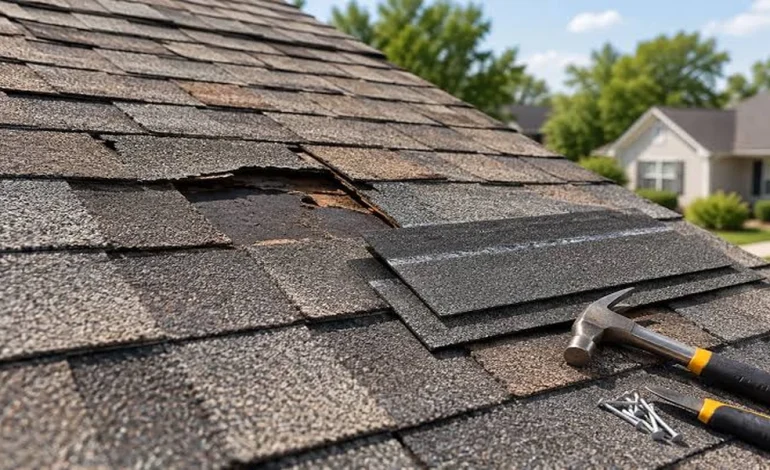

Put two roof replacement estimates for the same house side by side and the totals can be thousands of dollars apart, even though both promise the same color of architectural shingle. Most of that gap is in the parts you’ll never see once the job is done. That includes the wood underneath, the membranes laid over it, the metal at the edges, and the vents that let the attic breathe. Shingles are the most visible part of a roof, but they’re mostly the outer skin.
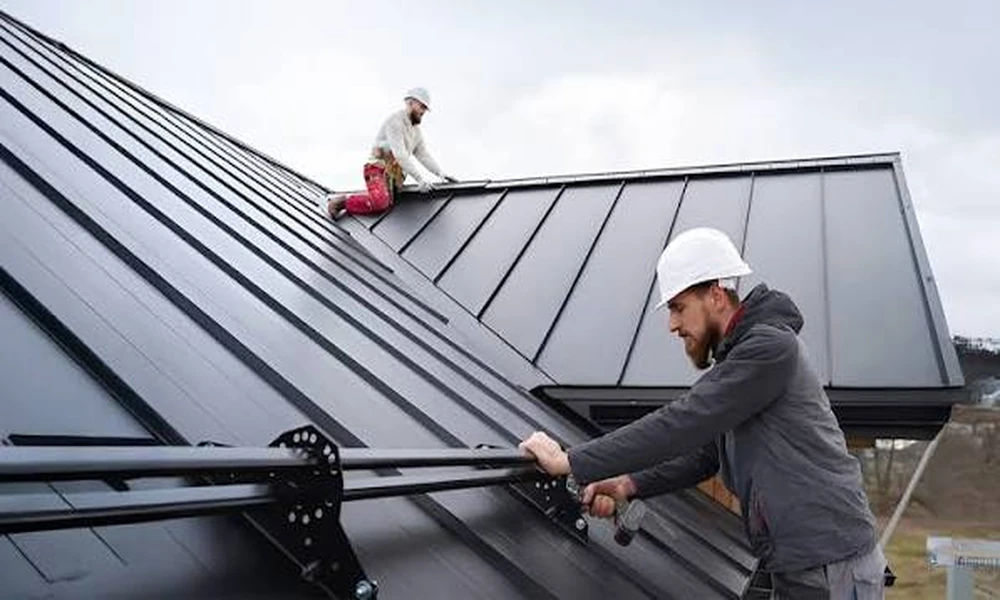
Homeowners trying to read those line items can learn a lot from how certified installers describe the work. donerightexteriors.net, a Chambersburg roofing company holding Owens Corning certification and Lomanco ventilation training, treats every replacement as a layered system rather than just a shingle swap. That view explains most of the differences between quotes.
Starting at the Bones
The deck nobody photographs
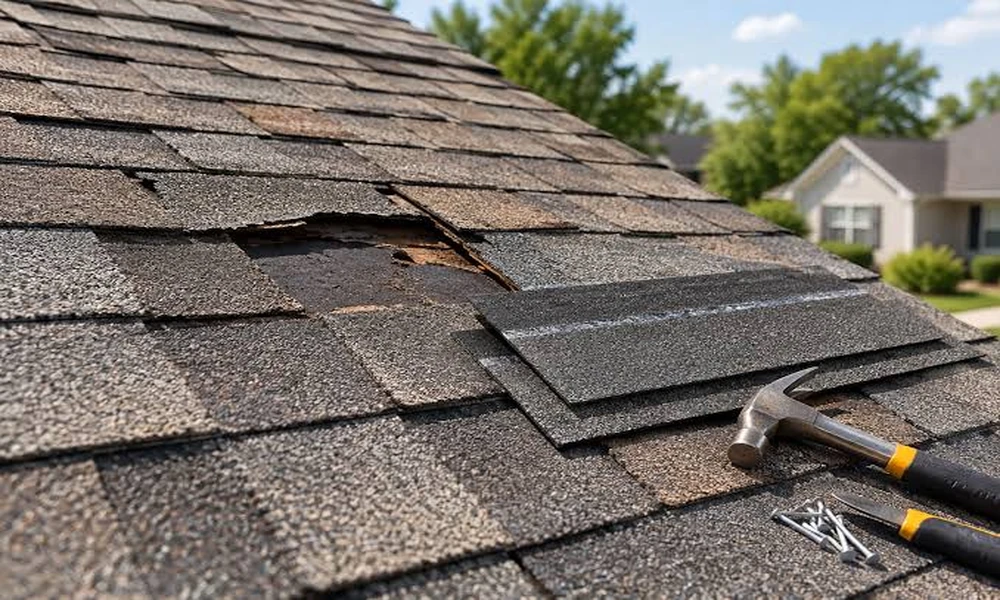
Every roof starts with the deck, the sheathing the rest of the roof is fastened to. Older homes around the Cumberland Valley often have plank decking, which is boards laid with small gaps between them. Newer houses use plywood or OSB panels. Once the old shingles come off, the crew can finally see whether that wood is solid, delaminated, soft near the eaves, or stained around a chimney that leaked for years.
That’s why most honest estimates include a per sheet price for replacing damaged decking instead of a fixed total. Nobody knows how much wood has rotted until it’s exposed. A low bid that leaves this cost out isn’t really cheaper. It just postpones the conversation until your roof is already open.
Overlay or tear off
Building codes generally allow a second layer of shingles over the first, and that’s where some cheap quotes come from. The trouble is that an overlay hides the deck, traps heat, adds weight, and often shortens the life of the new shingles. It also makes the next replacement more expensive, because two layers have to come off instead of one. A full tear off costs more on day one, but it’s the only way to see and fix what’s underneath.
The Layers Between Wood and Weather
After the deck is sound, the work moves upward through several layers. Each one handles a job the shingles can’t do alone.
- Ice and water shield along the eaves. This self-sealing membrane sticks to the deck and seals around nail shanks. Residential codes call for it in climates where ice builds up at the roof edge, usually running from the eave to at least two feet inside the exterior wall line. In valleys and around chimneys, it’s often required whether or not the code says so.
- Synthetic underlayment across the field. This lighter sheet covers the rest of the deck and acts as the backup when wind drives rain under a shingle. Synthetic products have mostly replaced old felt paper because they don’t wrinkle when wet and they hold up better if a storm interrupts the job.
- Drip edge at the rakes and eaves. This thin metal angle guides water into the gutter and keeps it off the fascia board. Current codes require it, yet it’s still one of the most commonly skipped items.
- Starter strip shingles. These give the first course an adhesive edge so wind can’t catch it and peel the roof back from the bottom.
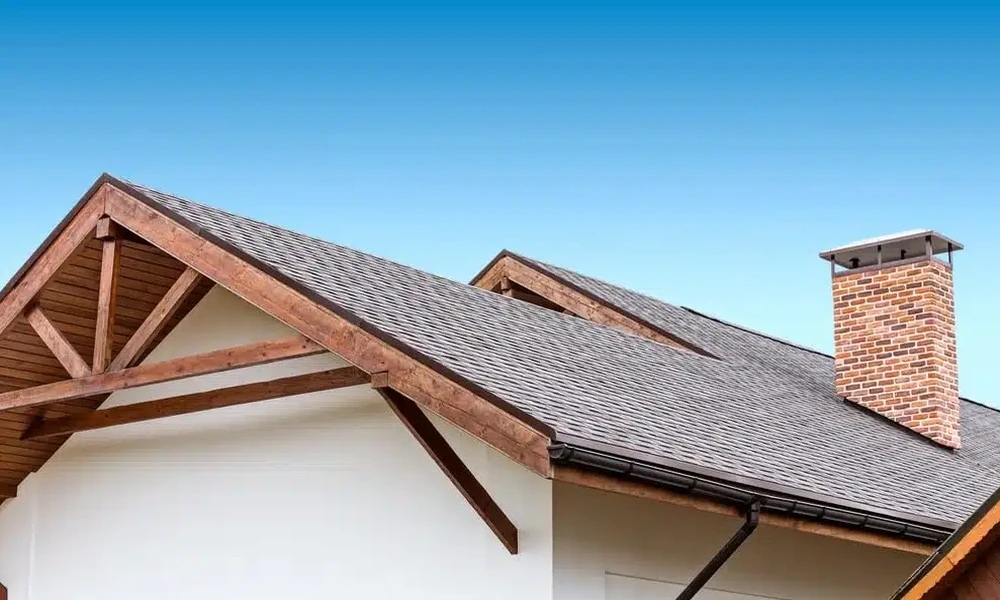
- The field shingles themselves. How they’re nailed matters as much as the brand. Nails placed too high miss the reinforced band, and nails driven too hard cut through the mat. Either way, wind resistance drops.
- Hip and ridge caps. These are thicker pieces designed to bend over peaks without cracking, which ordinary shingles cut into strips can’t do reliably.
When an estimate lists all six, you know the contractor is pricing a full system. When it says something like “remove and replace shingles,” you have to ask what’s included.
Where Water Actually Gets In
Very few leaks come through the middle of a roof slope. Almost all of them start where the roof meets something else, like a chimney, a skylight, a sidewall, a plumbing vent, or the joint between a main roof and a porch.
Good flashing work uses step flashing woven in with each course along walls, counter flashing set into the masonry joints of a chimney, and new boots around pipes instead of old ones caulked back into place. Reusing old flashing saves an hour of labor and can cost a ceiling a few winters later. Skylights are similar. If the unit is near the end of its life, replacing it while the roof is open costs much less than cutting into a new roof later.
Letting the Attic Exhale
An attic that can’t breathe ages a roof from below. In summer, trapped heat cooks the shingles from the underside. In winter, warm, moist air from the house condenses on the cold sheathing, and you get frost on the nail tips, then dripping, then mold.
Balanced ventilation fixes this. Air enters low through soffit vents and leaves high through a ridge vent or a set of roof vents. A common guideline is one square foot of net free vent area for every 300 square feet of attic floor, split roughly evenly between intake and exhaust. Mixing exhaust types on the same roof, such as a ridge vent next to a powered fan, can make one vent pull air in through the other and short circuit the airflow. That’s why ventilation is planned as part of the roof design and not added at the end.
Paper That Protects the Investment
Shingle manufacturers sell their strongest warranties only when a certified installer uses their matching components, from underlayment to ridge cap, and registers the job. If you mix brands, the coverage often falls back to a basic material warranty with a short non-prorated period. Ask which warranty tier your quote includes, whether it covers labor as well as materials, and who registers it with the manufacturer.
Pennsylvania adds its own layer of protection. Home improvement contractors have to register with the state, and you can look up a contractor’s registration through the Attorney General’s office before signing anything. Under the state’s Home Improvement Consumer Protection Act, larger jobs need a written contract that includes the registration number, start and finish dates, and a total price. Homeowners also get three business days to cancel after signing, and the act limits how large a down payment can be on bigger projects.
Reading the Whole Roof Before Signing
The cheapest number on the table is often missing a layer or two that a full system includes. A quote that names the deck allowance, each membrane, the drip edge, the flashing plan, the ventilation math and the warranty tier gives you something real to compare. Shingles still decide how the house looks from the street, but the materials underneath decide how long that look lasts.