One Strip Center Holds Five Very Different Plumbing Problems

Picture a modest strip center somewhere along Florida Boulevard or out toward Perkins Road. A Cajun lunch spot anchors one end. Next door sits a family dental practice, then a busy hair salon, a small parts distributor in the back bay, and a landlord who owns the whole slab and the pipes running beneath it. From the parking lot it looks like one building. Underneath, it is five separate plumbing systems with five separate ways of failing.
That variety is why Baton Rouge commercial plumbing rarely comes down to a single kind of job. A plumber walking that row of storefronts on a Monday morning might pump out a grease interceptor, test a backflow assembly on a dental line, clear a shampoo bowl drain and track a sewer odor in a warehouse, all before lunch. Each tenant has different rules, different risks and different signs that something is going wrong.
Walking through the center one door at a time shows how much those differences matter.
Where Gravy Turns Into a Sewer Problem
The restaurant carries the heaviest plumbing burden in the building, and almost all of it traces back to grease.
East Baton Rouge Parish requires any business discharging more than ordinary domestic wastewater to have a pretreatment system, which for a kitchen means a grease trap or a larger in-ground grease interceptor. The parish’s best management practices for food service call for cleaning that equipment at least once every three months and keeping a written maintenance log. Many busy kitchens need pumping more often than that, especially places frying seafood and serving roux-heavy dishes every day.
The trouble starts when grease slips past the trap. Warm fat flows easily out of the fryer and sink, then cools inside the drain line and hardens into a waxy collar. Food scraps catch on that collar, the pipe narrows, and eventually the dish pit floods during Friday dinner service.
Kitchens that stay out of trouble tend to share a handful of habits.
- Scraping plates into the trash before they reach the dish sink, so solids never hit the drain.
- Collecting used fryer oil in a recycling container rather than pouring any of it down a floor drain.
- Fitting every sink and floor drain in the prep area with a strainer basket and emptying it through the shift.
- Asking the pumping company for the service manifest every time and filing it with the maintenance log.
That paperwork matters because a sewer backup traced to a single restaurant can bring an inspector, a fine and an angry neighbor all at once.
The Dental Chair Has a Hidden Valve
The dental office looks tidy and dry, yet its water supply carries some of the highest contamination risk in the building.
Dental chairs, sterilizers and suction equipment all connect to the drinking water supply. If pressure in the city main drops suddenly during a water main break or a fire department hookup, water inside that equipment could be pulled backward into the public lines. A backflow prevention assembly stops that from happening, and Louisiana requires every testable assembly to be checked once a year.
Not just anyone can sign that test report. In Louisiana the work falls to a licensed plumber holding the state’s water supply protection specialist endorsement, or to a tester certified under the national ASSE 5110 standard. ASSE International explains what its backflow tester certification involves, including the 40 hour training course and the exam behind the credential, which helps a practice manager understand what a qualified tester has actually been through.
Practices that pipe nitrous oxide, oxygen or vacuum lines through the walls add another layer. Louisiana licenses medical gas piping installers separately, so a general repair plumber is not automatically the right person to touch those lines.
Shampoo Bowls and Endless Hot Water
The salon next door asks for something different entirely, which is a steady flood of hot water and drains that can handle hair.
Every shampoo bowl rinses hair down the line all day, and hair binds with conditioner and styling product into tight, rope-like clogs a few feet past the trap. Mesh drain screens help, though they work only when staff empty them between clients. Many salons schedule a drain cleaning every few months rather than waiting for water to stand in the bowl.
Hot water is the other pressure point. A salon running several bowls, a washer full of towels and a back sink at once can drain a standard tank heater by midmorning. Sizing commercial water heaters depends on peak demand rather than daily total, so a salon that added two stations last year may simply have outgrown its heater. Lukewarm water during the afternoon rush is usually the first sign.
The Quiet Bay at the Back
The parts distributor uses less water than anyone else, and that low use creates its own problems.
Floor drains in warehouses can go weeks without a drop of water reaching them. The water seal in the trap evaporates, and sewer gas drifts up into the building. Trap primers, small devices that feed a little water into the trap automatically, solve that, though they wear out and should be checked when odors return.
If the business handles batteries, cleaners or other chemicals, an emergency eyewash or drench shower is likely part of the plumbing too. Those stations are meant to deliver tepid water, generally between 60 and 100 degrees Fahrenheit, and should be run weekly so stagnant water does not build up inside them. In a Baton Rouge summer, an eyewash fed from a line running through a hot ceiling can easily deliver water warm enough to be uncomfortable.
The fire sprinkler connection often has its own backflow assembly as well, and it falls under the same annual testing rule as the dental office.
What Sits Under Everybody’s Floor
The landlord owns the part of the system no tenant thinks about until it fails, which is the shared sewer line under the slab and out to the street.
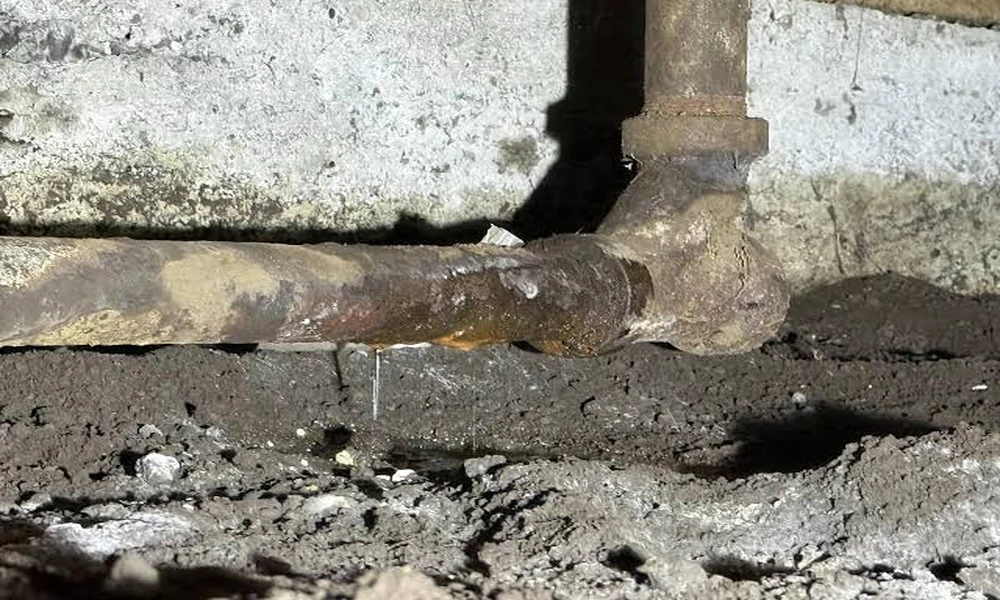
Much of the Baton Rouge area sits on clay soils that swell when soaked and shrink in long dry spells. That movement stresses older cast iron and clay sewer pipe, opening joints where tree roots can work their way in. When the main building line clogs, the lowest fixture in the center usually overflows first, which means the restaurant’s grease habits or the salon’s hair can end up backing sewage into the dental office’s restroom.
A camera inspection of the main line every year or two lets a property owner see root intrusion, sagging sections and grease buildup before they turn into a shared emergency. After heavy rain events like the August 2016 flooding, a camera inspection is also the most reliable way to confirm that silt and debris did not settle into the line.
Freezes are rare here, yet the hard freezes of recent winters caught many commercial buildings with exposed backflow assemblies and outdoor piping that had never been insulated. Insulated enclosures over outdoor assemblies and a plan for dripping vulnerable lines during a freeze warning cost far less than a cracked valve body.
Good leases spell out who handles each piece of this, from grease interceptor pumping to the annual backflow tests to the main line beneath the slab. When every tenant and the owner know their own responsibilities, a strip center full of very different businesses can share one set of pipes without sharing one long list of headaches.