Preventing Industrial Roof Failures: Early Leak Detection and Critical Material Options for Facility Managers

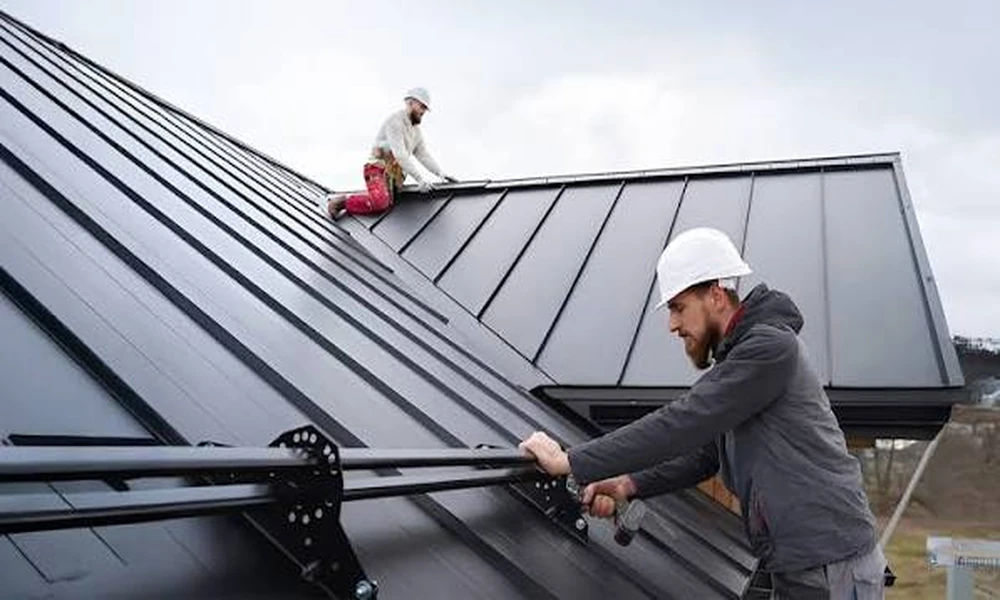
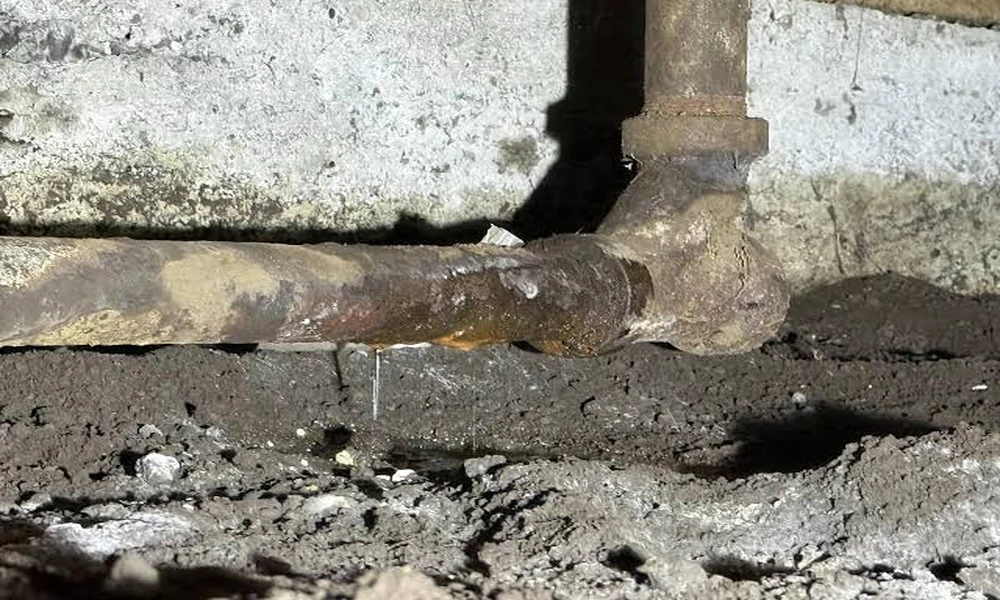
Most of the time, issues with an industrial roof do not start because of a big storm that makes the roof collapse. Instead, water slowly moves under the roof’s base and stays hidden. Managers do repair work on roofs only when there is a problem to be addressed. All they do is cover up the problem area without looking for any hidden leaks or considering the lifespan of the roofing materials. By doing regular tests that are harmless to the roof and selecting appropriate roofing materials, you will be able to save some money.
Go here to get proper roof management that involves moving from monitoring water visually to conducting thermal and impedance inspections before the insulation becomes wet enough to damage the steel structure.
Industrial Roofing Vulnerabilities
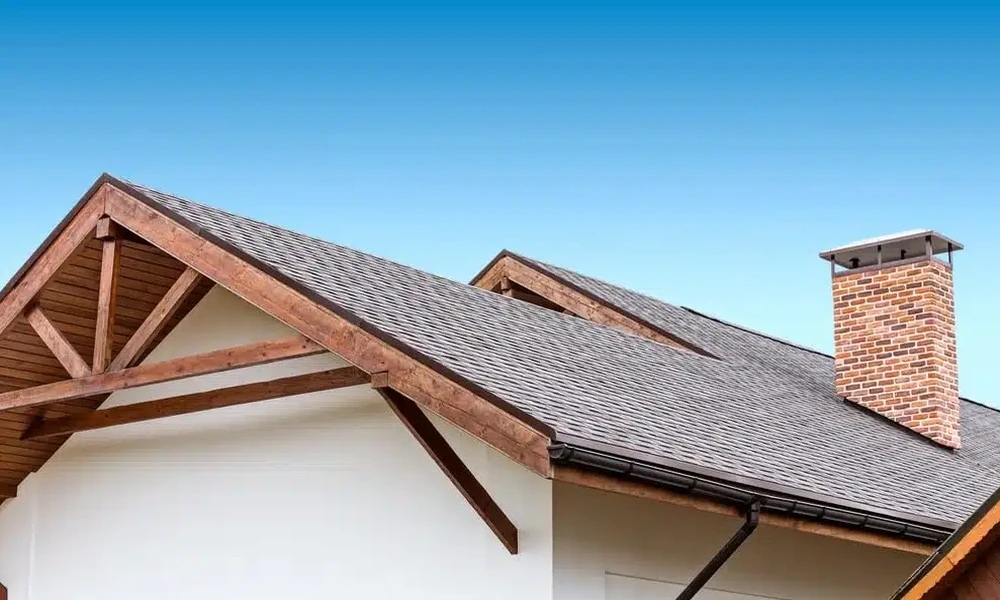
Commercial flat and low-slope roofing is subjected to high amounts of stress. Thermal stresses created by heat generated from the sun and cold weather cause expansion and contraction of the materials. The mastic sealing of the vents, perimeter, and HVAC curbs breaks due to this stress. Over time, the cuts made in the membranes start to corrode. Water is attracted to the cracks and could ultimately spread over the whole roof. The damage caused by human contact and loose fasteners during the installation process exacerbates the issue.
| Risk Factor | Root Cause | Primary Failure Point | Structural Impact |
|---|---|---|---|
| Thermal Movement | Temperature fluctuations | HVAC Flashing & Seams | Membrane separation & seam voids |
| Ponding Water | Blocked scuppers/poor slope | Low points & Drain bowls | Deck deflection & membrane rot |
| Cut-Edge Rust | Uncoated factory edges | Sheet overlaps & eaves | Lateral moisture penetration |
Modern Early Leak Detection
However, one can only see the stains on the ceiling when the wet insulation becomes widespread enough. There are more efficient ways to find out about water leaks underground.
- Infrared Thermography: In this process, one looks at the roof after the sun goes down. Since the wet insulation keeps the heat of the sun better than the dry one, one can easily tell which areas of the roof are wet.
- Electrical Impedance Testing: This process entails testing how the electricity flows through the roof deck. This way, the water spots on the roof become identifiable without making holes in the roof.
- Electronic Leak Detection (ELD): This technique involves low/high power mapping for roof surfaces that don’t allow electricity to flow through them (such as TPO or PVC).
| Technology | Best Application | Detection Depth | Key Operational Benefit |
|---|---|---|---|
| Infrared Thermography | Large-scale flat roofs | Sub-membrane insulation | Fast overnight grid scanning |
| Electronic Leak Detection (ELD) | Single-ply TPO/PVC | Direct membrane breaches | Pinpoint accuracy for microscopic voids |
| Nuclear Moisture Gauge | Gravel-surfaced & BUR roofs | Full assembly depth | Precise moisture density quantification |
Material Options for Upgrades
The choice of the best substitute will depend on chemical resistance, UV resistance, and environmental factors.
- Thermoplastic Polyolefin (TPO): This roofing is both bright and light. It is efficient in energy consumption. It can’t be affected by either sun rays or fungi.
- Polyvinyl Chloride (PVC): It’s a highly durable roof. It can’t be affected by any fats, oils, or solvents. You can install it in areas where food is prepared.
- Ethylene Propylene Diene Monomer (EPDM): This is a rubber. It bends easily. It can withstand hot and cold changes and hail in the weather.
- Fluid-Applied Liquid Membranes (PMMA/Polyurethane): These covers stay whole with no joins. They work well for tough roof shapes and to fix old roofs.
Managers who want to keep things in good shape and use online asset tools can go here. There, you will find asset tracking tips for single-ply and liquid membrane repairs.
Proactive Preservation Yields Unmatched Operational Resilience
By concentrating on methods for inspecting the roof that are not destructive for single-ply and liquid-applied membranes, the approach to roof maintenance in plants can be improved. It enables the roof to be transformed into something beneficial, not only a liability, and also allows estimating the expenses upfront. Those who are responsible for inspecting regularly, instead of waiting until a leak happens, will protect the entire facility from potential issues and avoid both financial and operational losses.