Roof Pitch Picks Your Material Before You Do
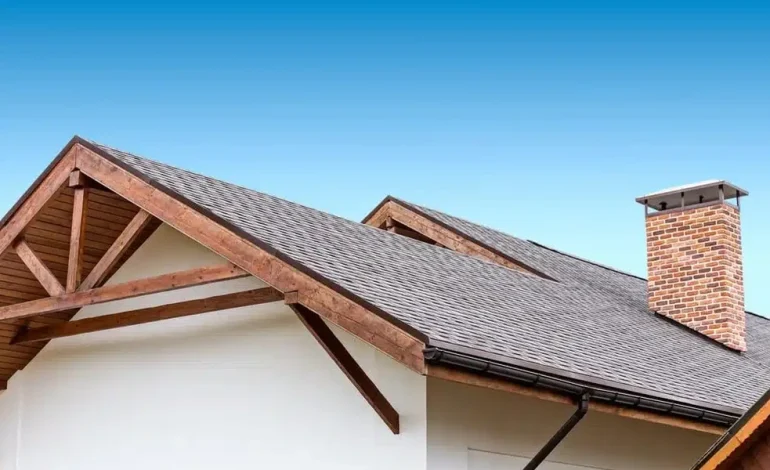

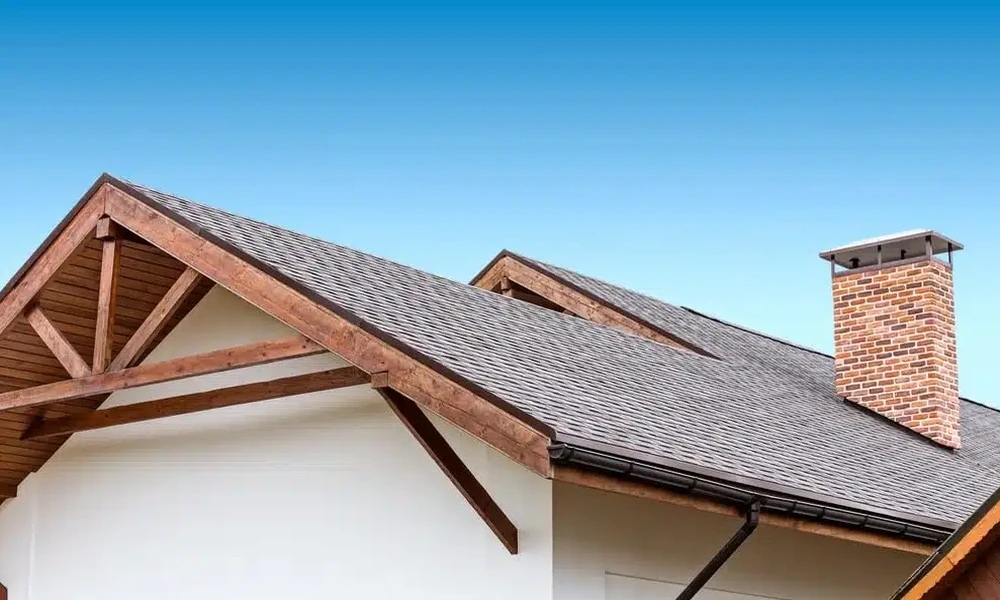
Most homeowners start a reroof by picking a look: charcoal shingles, a dark standing seam panel, maybe concrete tile. In practice, the roof itself narrows the options long before color comes into it. Pitch rules out some materials by code, Northwest weather punishes others, the framing limits how much weight can go up, and only then do budget and style get a vote. Working through those filters in order turns a confusing showroom into a short, sensible list.
Homeowners on both sides of the Narrows can get help running those filters from the team at procoverroofingllc.com. The same crew that handles roofs across Kitsap County carries its silverdale services in Tacoma and around the South Sound, installing shingle, metal, tile and flat roofing systems from manufacturers such as GAF, Malarkey, IKO and Owens Corning. A free inspection is the easiest way to learn which filters your roof has already applied.
Filter One: How Steep Is the Roof?
Every roof covering has a minimum slope, written as rise over 12 inches of run. Water moves slowly on a shallow roof, and wind can push it uphill under overlapping materials, so the residential code sets firm limits. The roof covering requirements in the residential code allow asphalt shingles only on slopes of 2:12 or steeper, and they require a double layer of underlayment between 2:12 and 4:12. Clay and concrete tile need at least 2.5:12, metal shingles 3:12, and standing seam metal panels can go as low as 1/4:12.
Below 2:12, overlapping materials are simply off the table. Those roofs need a continuous membrane such as TPO, EPDM or torch down modified bitumen, which seal the whole surface rather than shedding water lap by lap. Many Northwest homes mix both, with a steep main roof and a flat section over a porch, garage or addition.
Still in the running for a typical 6:12 house: asphalt shingles, metal shingles, standing seam metal, concrete or clay tile.
Filter Two: Can It Handle Northwest Weather?
Tacoma sees roughly 40 inches of rain a year, and much of Kitsap County gets more. The rain itself is manageable for any properly installed roof. The trouble is what comes with it. Long, damp winters under tall Douglas firs grow moss, and moss holds moisture against the roof surface and lifts shingle edges. North facing slopes in shade suffer most. Winter windstorms add uplift that tests every fastener and seal.
Asphalt shingles still perform well here, especially algae resistant products with copper granules and shingles rated for high wind. Metal sheds moss and needles easily and handles wind well when fastened correctly. Tile tolerates rain but can trap debris and moss in its profile, and broken pieces from falling branches are common under big trees.
Still in the running: all four, with metal gaining an edge on heavily treed lots.
Filter Three: Can the Framing Carry It?
Weight is where tile often drops out. Architectural asphalt shingles weigh roughly 3 to 4.5 pounds per square foot and metal roofing often less than 2, while concrete tile commonly runs 9 to 12 pounds per square foot. A house framed for shingles may need engineering and added structure before tile can go on, and western Washington’s seismic risk makes extra weight on the roof a real design consideration rather than a footnote.
Still in the running for most existing homes: asphalt shingles, metal shingles, standing seam metal.
Filter Four: How Long Do You Plan to Stay?
Lifespan and upfront cost pull in opposite directions. InterNACHI’s estimated life expectancy chart for home components gives architectural asphalt shingles around 30 years, with metal and tile rated to last considerably longer. Metal typically costs two to three times as much as shingles to install, so it pays back best for owners who plan to stay for decades or who want to avoid another tear off.
Shingle technology has narrowed the gap. Polymer modified shingles, which add rubber or plastic compounds to the asphalt, flex better in cold weather and resist cracking and granule loss, and several major manufacturers now offer them. For a homeowner planning to sell within ten or fifteen years, a quality architectural or modified shingle usually delivers the best value.
Still in the running: shingles for shorter horizons and value, metal for long horizons and low maintenance.
Filter Five: Does It Fit the House and the Neighborhood?
Only at the end does appearance decide between the finalists. A Craftsman bungalow in Tacoma’s North End and a newer two story in Silverdale call for different profiles, colors and trim details. Homeowners associations may restrict metal or certain colors, so checking covenants before ordering materials saves trouble. Darker colors suit the region’s overcast light, and matching gutters, flashing and vent colors makes even a modest shingle roof look finished.
The Shortlist at a Glance
| Material | Minimum slope | Approximate weight | Expected service life | Northwest weak spot |
|---|---|---|---|---|
| Architectural asphalt shingles | 2:12 | 3 to 4.5 lb per sq ft | Around 30 years | Moss and granule loss in shade |
| Standing seam metal | 1/4:12 | Under 2 lb per sq ft | Several decades | Higher upfront cost |
| Concrete or clay tile | 2.5:12 | 9 to 12 lb per sq ft | Several decades | Weight and broken pieces under trees |
| TPO, EPDM or torch down | Low slope | Light | Roughly 20 years or more | Ponding and seams if drainage is poor |
Letting the Roof Make the First Cut
Choosing a roof is less about finding the best material than about finding the best one for this particular slope, frame, lot and timeline. A homeowner who knows the pitch, the shade pattern, the framing and the plans for the house can usually narrow the field to two options before ever looking at a color chart. That leaves the final choice to taste, which is exactly where it belongs.