Patching the Roof Versus Restoring the House Beneath It
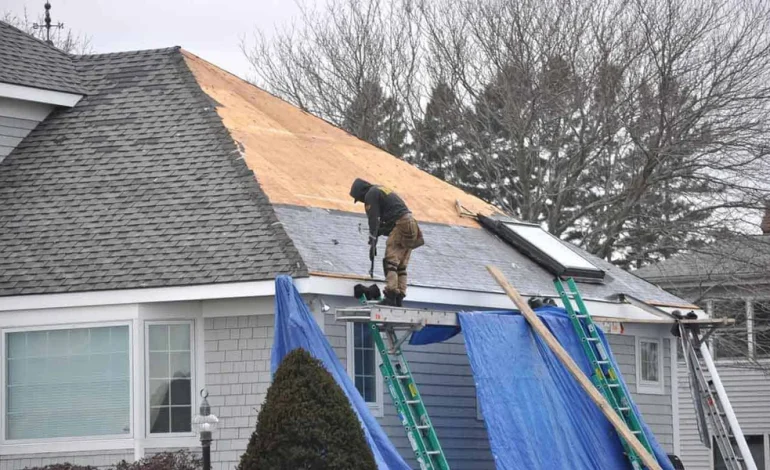

Deep in the Piney Woods, the storm that does the most harm is rarely the one with the loudest forecast. A tropical system drifts up from the Gulf, loses its punch somewhere past Beaumont, and still carries enough rain and gusting wind to drop a tall loblolly pine across a house in Tyler County at two in the morning. By sunrise the homeowner is standing in the yard, staring at a ragged opening in the shingles, and asking a fair question. Who actually fixes this?
The honest answer depends on how far the water traveled after the tree landed. Homeowners around Woodville who call a team like Crest Guard Roofing & Restoration often find that one inspection turns into two separate conversations, one about the roof and another about everything the roof failed to keep dry. That split matters more than most people expect, because the line between roof repair and restoration decides what gets fixed, what gets documented for insurance, and what slowly decays inside the walls.
The Roof Only Tells Half the Story
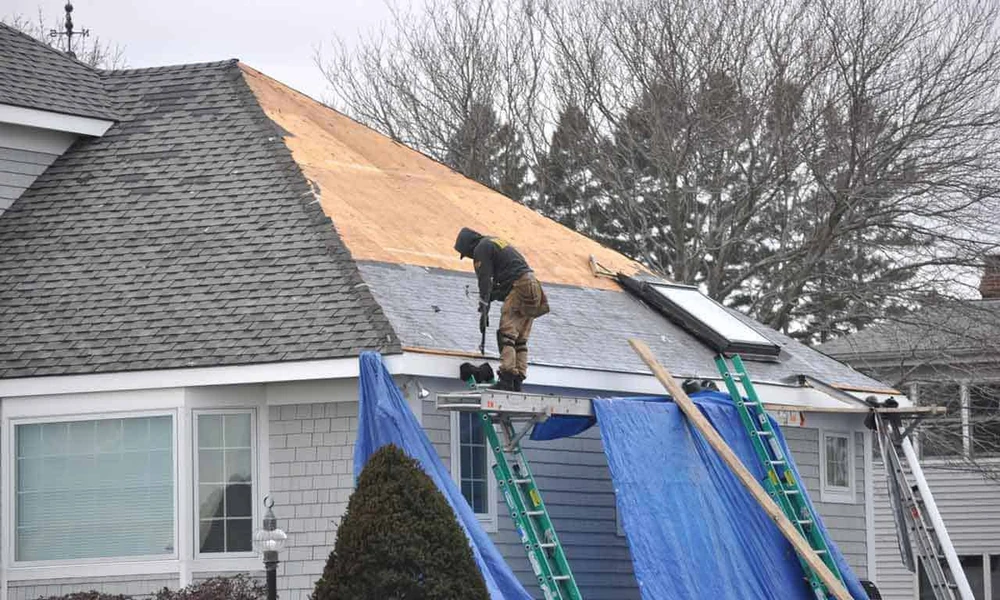
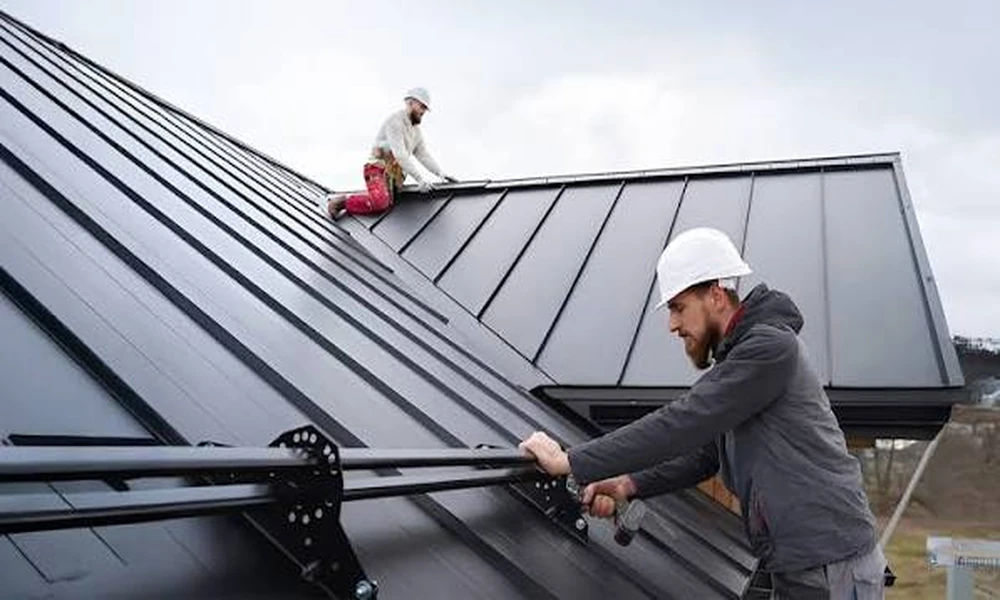
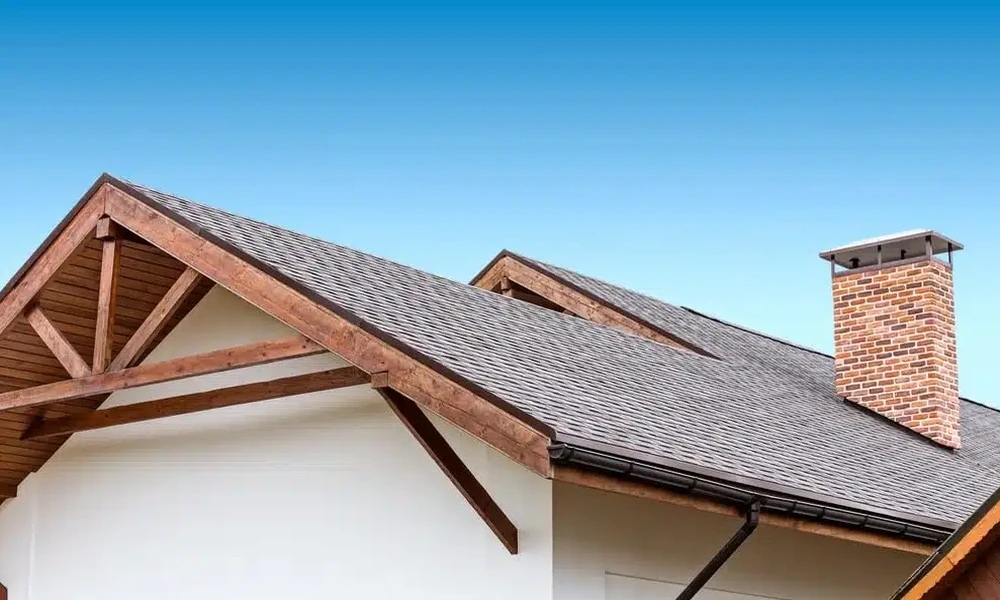
Roof repair is the work you can see from the driveway. It covers the shingles or metal panels, the underlayment beneath them, the plywood or OSB decking, the flashing around chimneys and vents, and the ridge and valley details that steer water off the house. When a limb punctures that system, a roofer replaces the damaged sections, matches the surrounding materials as closely as possible, and makes the surface watertight again.
Restoration starts where that surface stops. It deals with soaked insulation, stained ceilings, swollen trim, wet framing, damp subfloors and the musty air that follows. A roof can be perfectly sealed by Tuesday while the drywall below is still holding a gallon of rainwater from Sunday night.
Following the Water From Shingle to Subfloor
Water never stays where it enters. Tracing its path from the top of the house down is the clearest way to see which trade owns which problem.
On the Roof Deck
Decking takes the first hit. OSB in particular swells along its edges when it soaks up water and rarely flattens back out, which leaves a wavy surface that new shingles will telegraph for years. A careful roofer probes the area around the puncture rather than just the hole itself, since saturation spreads several feet beyond the visible break.
In the Attic
Fiberglass batts can sometimes dry out if they were only dampened, though they lose loft and insulating value when compressed by water. Blown cellulose behaves differently. It clumps, holds moisture against rafters and ceiling joists, and usually has to be vacuumed out entirely. Rafters struck by a falling trunk may also crack along the grain, which belongs in the repair scope even though it sits out of sight.
Behind Ceilings and Walls
Gypsum board acts like a sponge. Water travels down wall cavities, wicks upward from wet plates, and pools behind paint that still looks fine. Restoration crews use moisture meters and thermal cameras to map where readings are high, then open walls strategically instead of tearing out whole rooms.
Down at the Floor
Hardwood cups, laminate delaminates, and carpet pad holds water long after the carpet surface feels dry to the touch. In older pier and beam homes common around Woodville, moisture can also drift into the crawlspace and linger in a region where the air rarely gets dry on its own.
Signs the Damage Slipped Past the Roofline
Some clues suggest a homeowner needs more than a roof patch, even when the opening looked small. Watch for these in the days after a storm.
- A brown ring on the ceiling that keeps growing after the rain has stopped
- Paint bubbling or peeling on walls directly below the impact point
- An earthy, sour smell that gets stronger when the air conditioning cycles off
- Baseboards pulling away from the wall or showing dark lines along the bottom edge
- Doors near the damaged area that suddenly stick in their frames
Any one of these points to moisture inside the structure, which is a drying and restoration problem rather than a shingle problem.
Pines Change the Math in East Texas
In Tyler County and the surrounding Big Thicket region, the bigger risk often grows in the backyard. Tall pines catch wind high in the crown, and after days of rain the soil around their roots softens enough for a whole tree to lean or uproot. Even without a direct hit, broken limbs gouge shingles, and drifts of needles pack into valleys and gutters where they trap water against the roof edge.
That means the cleanup involves a third decision beyond the roof and interior. Some trees deserve to stay, and some have become a hazard to the new roof you are about to pay for. The Texas A&M Forest Service offers a practical guide on judging trees after storms and natural disasters, including when to bring in a certified arborist instead of the first chainsaw crew that knocks on the door.
The Forty Eight Hour Clock
Mold does not wait for an adjuster’s schedule. In warm, humid conditions like a September evening in Deep East Texas, mold growth can begin on wet drywall, wood and insulation within roughly 24 to 48 hours. That timeline is the strongest argument for treating restoration as urgent rather than optional.
The first day is about stopping more water from coming in. A tarp secured over the opening, battened down so wind cannot lift it, buys time without damaging more shingles. Inside, standing water gets extracted, soaked contents get moved, and drying equipment goes to work. Commercial dehumidifiers and air movers run continuously, and moisture readings get logged daily so everyone knows when materials are truly dry rather than just dry looking.
Most homeowner policies also expect reasonable steps to prevent further damage after a loss. Waiting a week for a roofing appointment while ceilings soak can complicate a claim, which is another reason the two kinds of work need to move in parallel instead of one after the other.
Paperwork That Respects Both Sides of the Job
Insurance estimates usually separate roofing line items from mitigation and interior repair. Keeping that structure in your own records makes the process smoother. Photograph the tree on the roof before it is removed, the opening from inside the attic, and every stained ceiling before it is cut. Save receipts for tarps, fans, hotel nights and anything thrown away.
Texas does not issue a statewide roofing license, so asking about insurance coverage, local references and written warranties carries real weight here. State law also bars contractors from paying or waiving a homeowner’s insurance deductible, so any offer to make the deductible disappear is a warning rather than a favor.
The best outcome is a house where nobody can tell a pine ever came through the roof, and that only happens when the shingles and the hidden layers beneath them get equal attention, and when the person signing off on the job checks the ceiling, the attic and the floor with the same care as the ridge line.