The Impact of Hard Water: Why Avoiding It Can Benefit Your Home and Health


Although most individuals may safely drink hard water, there are some drawbacks in both residential and commercial settings. You may determine if hard water is something you wish to avoid in your own house by being aware of its consequences.
A Mismatch of Minerals
When water percolates through rocks that are rich in calcium and magnesium carbonates, it picks up these minerals along the route and becomes hard water. These minerals aren’t always dangerous, but having them around might still be an issue. Parts per million (ppm) of calcium carbonate is the unit of measurement for hardness, and it determines how serious these problems are. When it comes to the issues related to hard water, then here are the options for you.
Home Hard Water
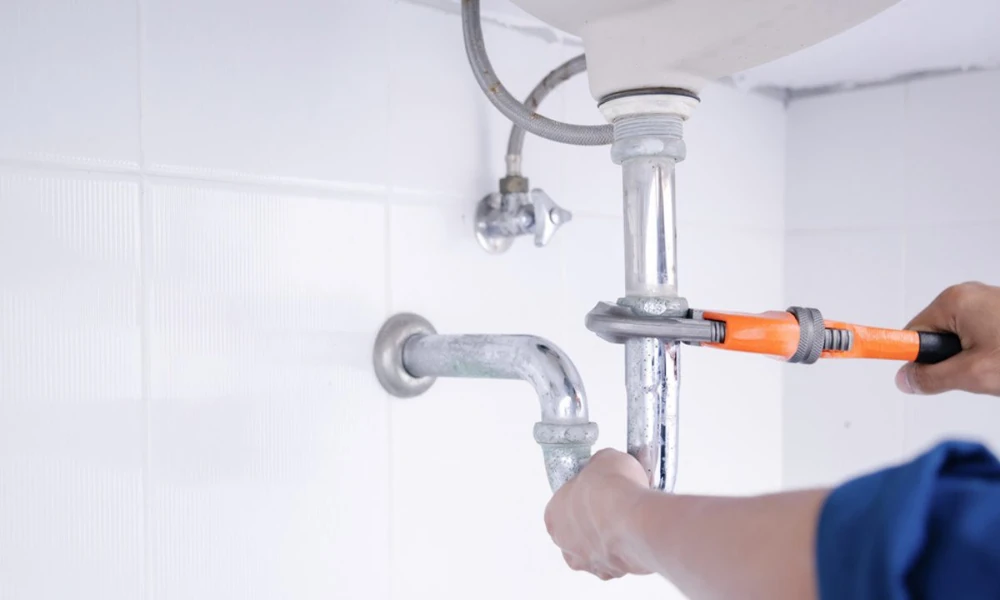
The most obvious consequences of hard water are often felt while doing routine housework. Hard water reduces the cleaning power of soap and detergents and makes them less lather-producing, forcing you to use more of them. This may result in more expensive cleaning supplies and a residue-like sensation on skin, hair, and dishes. Water heating components in appliances are severely damaged by hard water. Scale, a mineral accumulation, lowers performance and shortens the life of water heaters, dishwashers, and washing machines.
Possible Issues with Your Skin and Hair
Although studies on the health impacts of hard water are still being conducted, there may be a connection between hard water and issues with the skin and hair. Hard water’s mineral content may upset the skin’s normal pH balance, which can cause dryness and irritation—especially in those who already have eczema. Hard water may also cause hair to feel brittle, dry, and difficult to maintain.
The Hidden Danger of Hard Water
Whether kidney stones are directly caused by hard water is still up for debate. On the other hand, some people may develop them because hard water contains calcium and magnesium. It is essential to speak with a physician about the possible impact of hard water if you have a history of kidney stones.
Industrial Pains
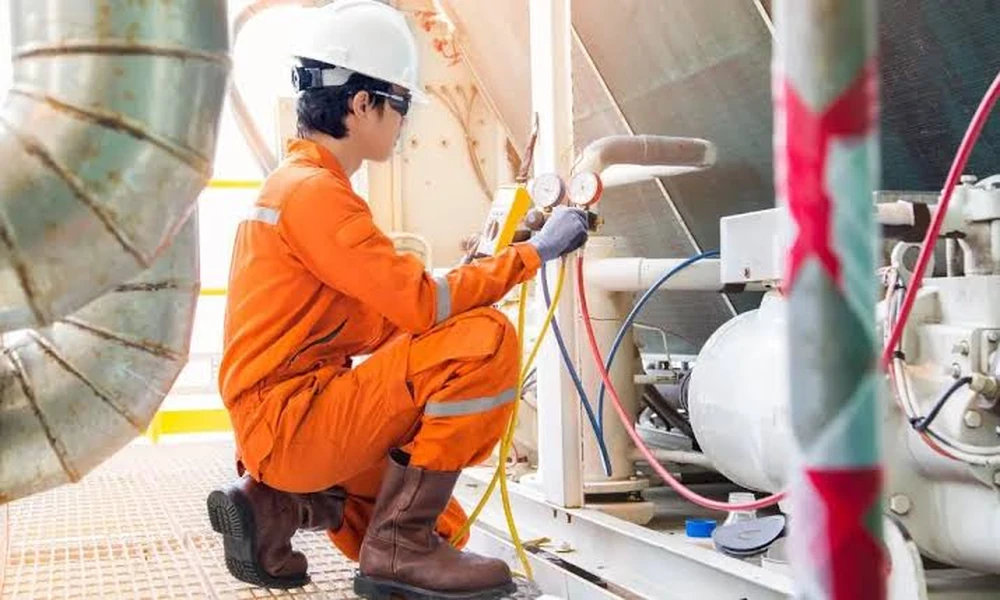
Hard water may have serious repercussions in industrial settings. Boilers, cooling towers, and other equipment that depends on effective water flow are particularly vulnerable to the scale building that befalls home appliances. This accumulation lowers operating efficiency and heat transmission, which raises energy expenses and increases the risk of equipment failure.
Solutions for Water Softening
Water softening systems provide an option if you’re worried about how hard water is affecting your house. These systems swap out the ions of calcium and magnesium for ions of sodium or potassium. This procedure produces softer water that might feel nicer on your skin and hair and lathers more effectively while reducing scale development.
Conclusion
Hard water may not be harmful in and of itself, but the issues it causes may be inconvenient and expensive. You can decide if installing a water softening system in your house is a wise investment by being aware of the effects of hard water.