Why Fence Design Is Becoming Just as Important as Fence Strength
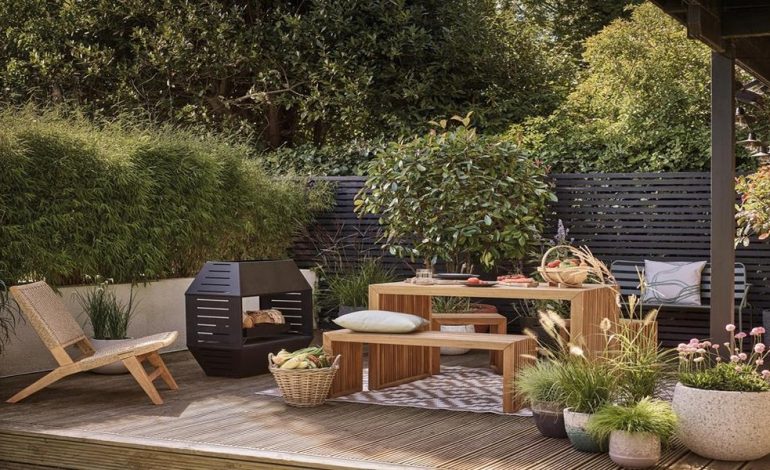

For years, most homeowners judged a fence by one thing – whether it stayed standing. Strength still matters, of course. A fence that leans after two winters is no good to anyone. But in 2026, I am seeing a clear shift across York. Homeowners now care just as much about how a fence looks, how it frames the garden, how much privacy it gives, and whether it works with the rest of the outdoor space. Many start by searching for fencing companies near me, then spend time looking through reliable fencing services in York because they want more than a basic boundary.
After decades working as a fencing contractor, I can say this change has been building for a while. Gardens are used more than they used to be. They are places to work, relax, entertain, and spend time with family. That means fencing has moved from being a background feature to something that shapes how the whole space feels.
Why strength alone is no longer enough
A strong fence is essential, but strength on its own does not make a garden feel right.
I have seen plenty of fences that were solid but poorly suited to the space. Too high. Too dark. Too heavy. Too plain. They did the job structurally, but they made the garden feel closed in.
Homeowners now want balance. They want durability, but they also want light, privacy, airflow, and a clean finish.
That is why fence design has become such a big part of the conversation.
How outdoor living has changed fencing choices
Outdoor living has changed what people expect from their gardens.
Patios, garden rooms, outdoor kitchens, children’s play areas, and seating spaces all rely on the boundary around them. A tired fence can make even a well-designed garden feel unfinished.
One thing I see often on local jobs is homeowners upgrading the fence before anything else. They understand that the fence frames the whole space.
Once the boundary is right, everything else works better.
Privacy now shapes design decisions
Privacy has become one of the main reasons homeowners invest in fencing.
People working from home notice overlooking more. Families using gardens daily want a space that feels their own. Homeowners entertaining outside want screening without making the garden feel boxed in.
This is where design matters. A standard solid panel may give privacy, but it can block light and airflow. A slatted design may feel more modern, but spacing needs to be right.
Good fence design considers how the garden is actually used.
Why York’s soil still dictates the structure
Design matters, but it cannot ignore the ground.
York has a lot of clay soil. It expands when wet and shrinks when dry. That movement affects posts over time.
I usually install posts at around 600mm to 750mm depth, depending on ground conditions and exposure. In softer or more exposed areas, deeper foundations may be needed.
A beautiful fence that is poorly installed will not stay beautiful for long. Strength and design need to work together.
The rise of slatted fencing
Slatted fencing has grown in popularity because it gives gardens a modern look without feeling too heavy.
It works well around patios and seating areas. It lets some light through and can reduce wind pressure compared with solid panels.
But slatted fencing needs careful planning. If gaps are too wide, privacy suffers. If boards are too close, airflow is reduced.
Experienced fencing contractors understand that spacing matters as much as appearance.
Why closeboard remains popular
Closeboard fencing remains one of the strongest and most reliable options.
It gives solid privacy, handles weather well when installed properly, and suits many UK gardens.
From a design point of view, closeboard can look clean and traditional. It works well where homeowners want a strong boundary without drawing too much attention.
For many gardens, it remains the best mix of strength, privacy, and value.
Hit and miss fencing for airflow and style
Hit and miss fencing is another option I recommend in certain situations.
It gives privacy from direct views while allowing air to pass through. This makes it useful in exposed gardens where solid panels may catch too much wind.
It also has more visual interest than standard panel fencing.
For homeowners comparing fencing near me options, hit and miss can be a strong choice when both appearance and resilience matter.
Why fence height needs careful thought
Fence height is one of the most misunderstood design choices.
Higher is not always better. A tall fence can improve privacy, but it can also make a garden feel smaller and darker.
In some gardens, targeted screening works better than raising the whole boundary. A higher section near a seating area may solve the problem without overwhelming the space.
Good design starts with sight lines, not guesswork.
Composite fencing and modern garden design
Composite fencing is becoming more common in design-led gardens.
It offers clean lines, consistent colour, and low maintenance. It does not warp in the same way as lower-grade timber, and it suits modern outdoor spaces.
Composite fencing cost is higher upfront, but many homeowners see the value in reduced maintenance and a more consistent finish.
It is especially popular where the fence sits close to patios, garden rooms, or outdoor dining areas.
Why maintenance affects design over time
A fence may look good on installation day, but design only holds up if the materials age well.
Timber changes colour. Panels move. Fixings loosen. Poor drainage causes staining and rot.
If a fence needs constant work to keep it looking acceptable, the design becomes a burden.
This is why low-maintenance materials and proper installation are now part of design planning.
The importance of straight lines
Straight lines matter more than many homeowners realise.
A fence can be made from good materials, but if the top line dips or the panels are uneven, the whole garden looks untidy.
Contractors look closely at alignment because it affects both appearance and structure.
A straight fence line gives a garden order. It makes patios, lawns, and planting feel more considered.
When repairs affect the design
Repairs are sometimes the right choice, but they can affect how a fence looks.
One new panel among older panels can stand out. Different timber tones can make the boundary look patchy. Reset posts may not line up perfectly with older sections.
Homeowners looking at fence repair work in York often need to consider both structure and appearance.
If the aim is a consistent garden design, full replacement may sometimes make more sense than repeated patching.
Why new garden layouts need new fencing thinking
Garden layouts have changed.
People now create zones. Dining areas, play spaces, planting beds, and garden offices all need different levels of privacy and shelter.
One fence style along the entire boundary may not suit every area.
A good fencing contractor will look at how the garden is used before suggesting a design.
The role of colour and finish
Colour matters more than it used to.
Natural timber gives warmth. Darker finishes create contrast with planting. Composite colours can match modern paving and furniture.
The wrong finish can make a garden feel smaller or harsher.
This is why design choices should sit alongside the wider garden plan, not be made in isolation.
Why design can improve durability
Good design is not just about looks. It can make a fence last longer.
Slatted sections reduce wind pressure. Raised gravel boards protect panels from damp soil. Correct spacing prevents boards from pushing against each other as moisture levels change.
Design and durability are connected.
A fence designed for the conditions will usually last longer than one chosen for appearance alone.
Local exposure changes the best design choice
Different gardens need different solutions.
A sheltered courtyard may suit solid panels. An open garden near fields may need airflow. A new build plot on made-up ground may need extra attention to post depth and drainage.
This is why generic advice is often limited.
Local knowledge matters, especially around York where soil and exposure can vary from one street to the next.
Why homeowners are investing more carefully
Homeowners are not necessarily spending more for the sake of it. They are spending more carefully.
They want fences that last, look right, and suit how they live.
That means better materials, better installation, and more thought around design.
Searches for fencing contractor near me and fence installation near me are often now driven by design intent as much as repair need.
The link between fencing and property value
A well-designed fence improves how a property feels.
Buyers notice garden boundaries quickly. A clean, straight, well-chosen fence suggests care and stability.
A mismatched or leaning fence suggests future cost.
For homeowners planning to sell, design and strength both matter.
Choosing the right garden fencing design
Homeowners exploring garden fencing options for York homes should think beyond the panel type.
The best choice depends on soil, exposure, privacy needs, maintenance expectations, and the overall garden layout.
A fence should not just stand up. It should support the space around it.
Why the best fences combine strength and design
From decades working across York, it is clear that fence design now matters as much as strength.
Homeowners want boundaries that are sturdy, private, attractive, and suited to daily life. They want fences that handle local ground conditions but also improve how the garden feels.
The best results come when design and structure are treated together. A fence should be strong enough to last, but thoughtful enough to make the garden a better place to spend time.