Why Chicago Homeowners Are Switching to Architectural Shingles

Roofing material choices have shifted noticeably over the past several years, and architectural shingles have become the default recommendation for many Chicago homeowners replacing an aging roof. The shift is not just about appearance.
Understanding what separates architectural shingles from traditional three-tab shingles, and why that difference matters specifically in a climate like Chicago’s, explains why so many homeowners are making the switch when it comes time to replace their roof.
What Makes Architectural Shingles Different
Traditional three-tab shingles are flat, uniform, and made from a single layer of material. Architectural shingles, sometimes called dimensional shingles, are built from multiple laminated layers, which gives them a thicker, more textured appearance and a noticeably different look on the roof.
That extra layer is not just cosmetic. It adds weight and rigidity to each shingle, which directly affects how the roof performs under the wind, snow, and ice that a Chicago winter regularly brings.
Better Performance in Harsh Weather
The added thickness of architectural shingles generally translates into a higher wind resistance rating than standard three-tab shingles, which matters during the strong wind events that come through the Chicago area, particularly in the fall and early winter.
They also tend to hold up better under the weight of snow and ice accumulation, and their layered construction provides an extra measure of protection against the freeze-thaw cycles that gradually wear down thinner roofing material over time.
Longer Lifespan Than Three-Tab Shingles
Most architectural shingles carry manufacturer warranties in the 30 year range, compared to roughly 20 years for standard three-tab shingles, reflecting the more durable construction. In practice, that means fewer replacement cycles over the time a homeowner owns their house.
A longer lifespan also means the roof is exposed to fewer total freeze-thaw cycles and storm events before it needs replacing again, which is a meaningful advantage in a climate that puts as much stress on a roof as Chicago’s does.
Resistance to Algae Streaking and Discoloration
Many architectural shingle lines include algae-resistant granules, which help the roof resist the dark streaking that develops on roofs exposed to humidity and shade over time. This is a common concern in tree-lined Chicago suburbs where roofs do not always get full sun exposure.
Three-tab shingles can include this same protection, but it is more commonly built into architectural product lines as a standard feature rather than an upgrade, which is another small factor pushing homeowners toward the switch.
The Appearance Homeowners Are Choosing
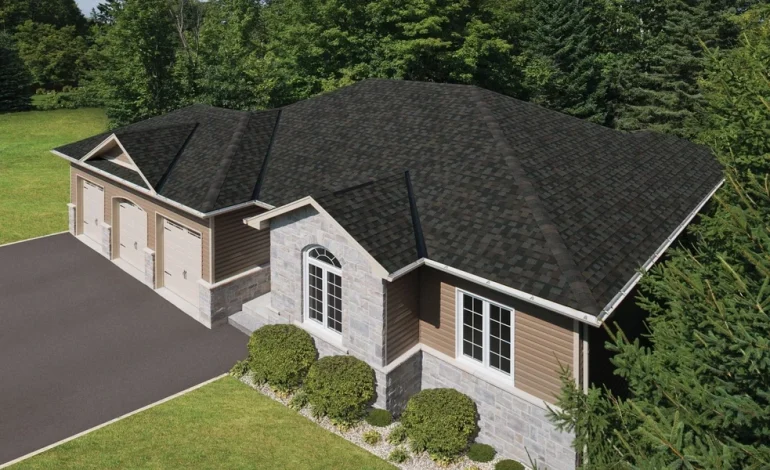
Beyond performance, the visual difference plays a real role in the switch. Architectural shingles create dimension and shadow lines across the roof surface that give a home a more upscale, custom look compared to the flat uniformity of three-tab shingles.
For homeowners planning to sell in the coming years, this appearance difference can also factor into curb appeal, since a roof with visible depth and texture tends to photograph and present better than a flat one.
How the Cost Compares
Architectural shingles typically cost more upfront than three-tab shingles, reflecting the additional material and manufacturing process involved. For most homeowners, that higher initial cost is offset over time by the longer lifespan and reduced need for weather-related repairs.
When comparing quotes, it is worth asking a Chicago roofing contractor to break down the cost difference per shingle type alongside the expected lifespan of each option, since the lowest upfront price is not always the lowest cost over the life of the roof.
What Installation Involves
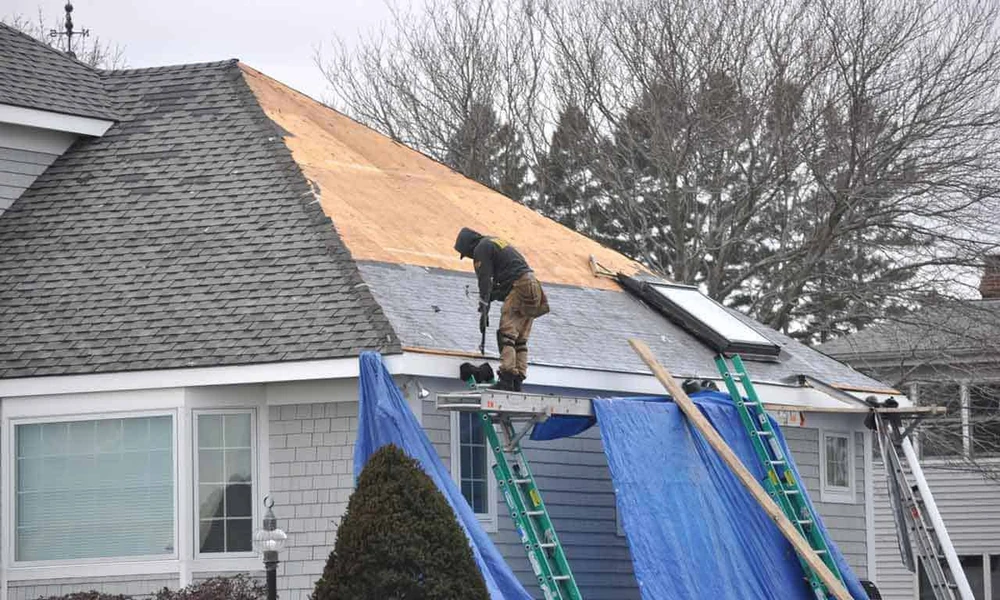
Installing architectural shingles follows a similar process to standard shingle installation, though the added weight and thickness mean a roofing crew needs to account for slightly different nailing patterns and exposure lines to keep the layered look consistent across the roof.
An experienced installation crew accounts for these differences as a standard part of the job, so homeowners should not expect a longer installation timeline simply because of the shingle upgrade itself.
Is the Switch Right for Every Home
Architectural shingles are a strong fit for most residential homes, though roof pitch, existing structure, and budget all factor into whether they make sense for a specific project. A steeper roof, for example, shows off the dimensional texture more than a low-slope roof would.
A contractor familiar with both shingle types can walk through these considerations directly, since the right choice depends on the specific roof rather than a generic recommendation that applies to every home the same way.
Conclusion
The shift toward architectural shingles reflects a combination of better weather performance, a longer lifespan, and an appearance that more homeowners prefer once they see it side by side with a traditional three-tab roof.
If you are weighing shingle options for an upcoming replacement, LEN Roofing’s services include a side-by-side look at both shingle types so you can compare performance and cost before deciding what fits your home.