The Hidden Hurdle: Why Mistakes in Well Water Treatment Can Block Access to Pure Water
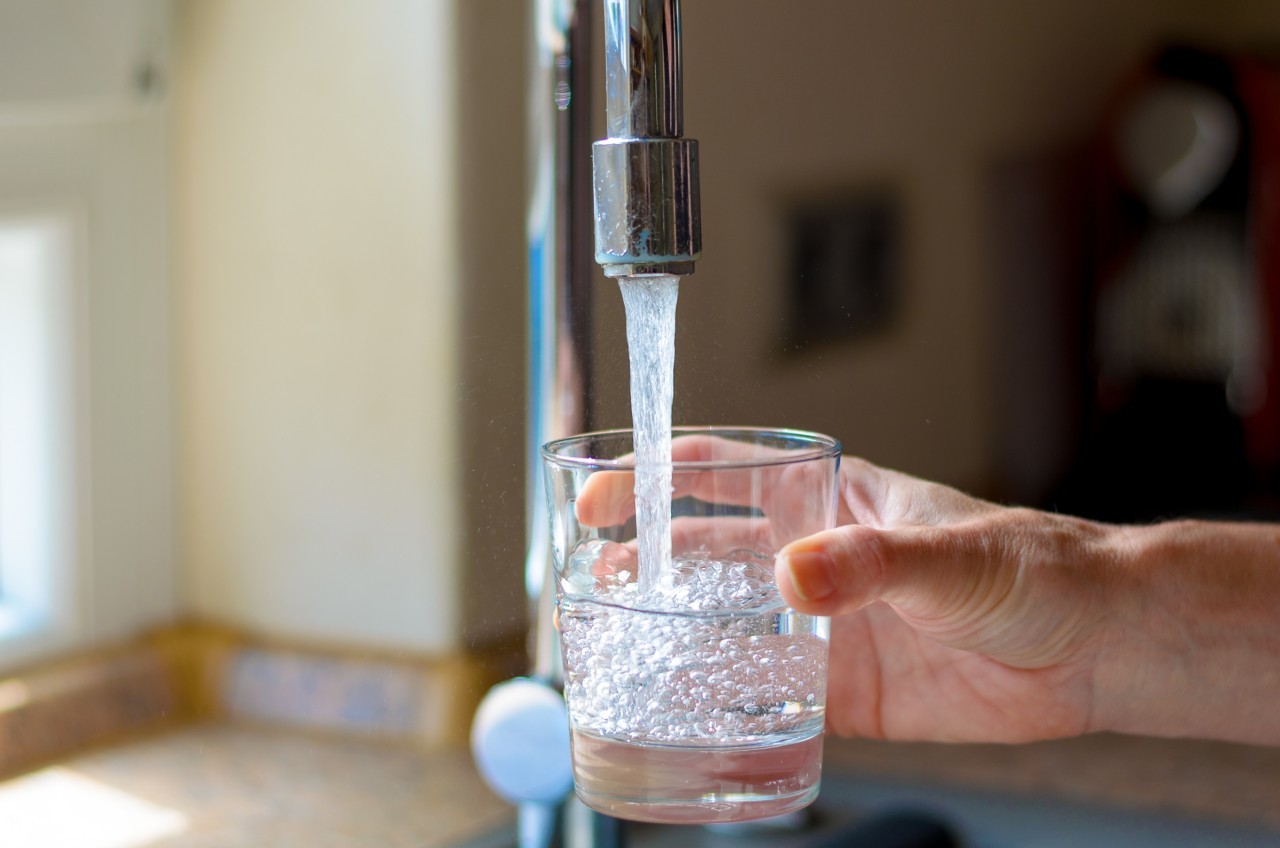

Many people associate well water with a more carefree time, a cool beverage directly from the ground. On the other hand, using a private well for drinking water entails treating it properly. Any mistake in well water treatment may be a serious obstacle to getting really safe and clean water.
Recognising the Difficulties with Well Water:
Every well water is not made equally. Depending on the local geology, contaminants including bacteria, nitrates, arsenic, and iron may exist naturally in groundwater. If these pollutants are not addressed, there might be health problems. To guarantee safety, public water systems go through extensive testing and treatment. On the other hand, it is the duty of well owners to conduct routine water tests and choose the most suitable treatment techniques in accordance with the pollutants found.
Inadequate Treatment Techniques:
Different well water treatment methods are available, and each is designed to deal with certain pollutants. Selecting the incorrect system or failing to do routine maintenance are frequent errors. For example, eliminating certain bacteria or iron may need more than just a basic chlorine bleach solution. Treatment inefficacy might also result from choosing an inadequate system or from neglecting to change filters at suggested intervals. Reverse osmosis is one treatment technique that may waste a lot of water, which is problematic in locations that are prone to drought.
The Danger of Unverified Water:
The most important error that well owners may make is probably not testing their water on a regular basis. Levels of pollutants may change over time, and some—like arsenic—may have no taste or odour. Frequent testing guarantees that the selected treatment plan continues to be successful and enables prompt detection of any new or worsening concerns. A wide variety of pollutants should ideally be tested in well water once a year, and more often if recognised issues exist in the region.
Dangers to Your Health from Contaminated Water:
Drinking untreated contaminated well water may be very harmful to your health. Infants may have respiratory difficulties due to nitrates, while gastrointestinal sickness may result from bacterial infection. Exposure to arsenic, which is often found in several areas of the world, raises the chance of developing a number of malignancies. Children and pregnant women are especially susceptible to the negative health impacts of polluted water. These health concerns may be greatly reduced by making sure that well water is properly treated.
Getting Expert Assistance:
Even well-meaning homeowners might make blunders while treating their well water since it can be complicated. It is a prudent investment to consult with a skilled water consultant. These experts are able to evaluate the particular water quality, suggest the best treatment system, and provide guidance on how to maintain it. They may also provide advice on trustworthy water testing businesses.
Conclusion
Although well water might be an affordable and sustainable supply of drinking water, it must first undergo the necessary treatment. Achieving really clean and safe water for your house requires understanding possible pollutants, selecting appropriate treatment techniques, and keeping up a regular testing schedule. Well owners may break through the obstacle of incorrect treatment and use their private well’s potential to produce clean, pleasant drinking water by collaborating with knowledgeable experts and being educated.