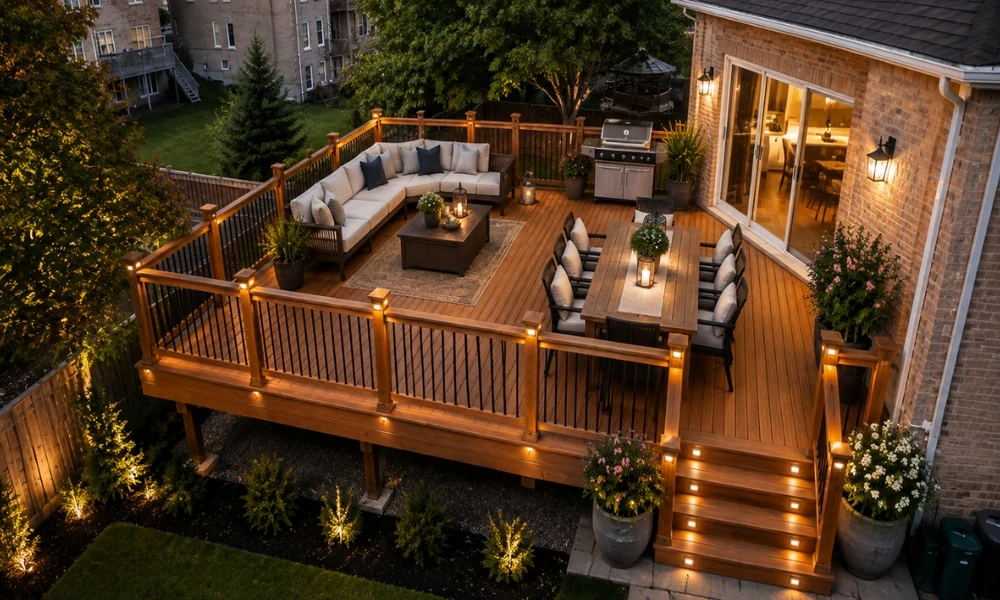
Composite Decking Buyer’s Guide: Trex vs TimberTech in Nashville
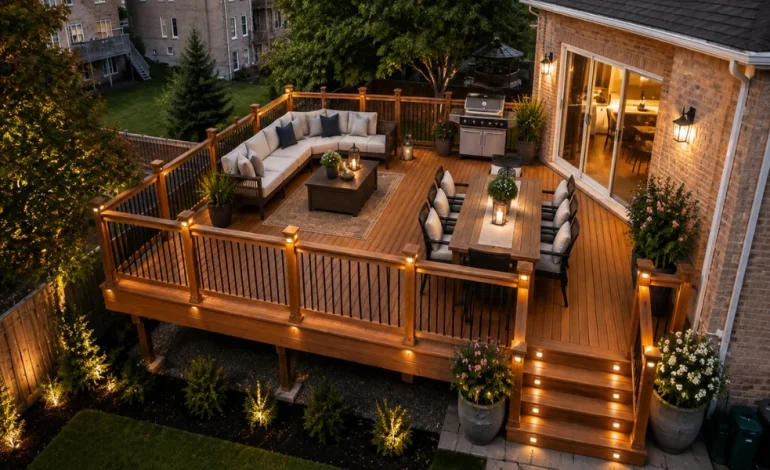

If you have already decided on composite decking, you have likely reached the next question: Trex or TimberTech? Both brands make strong boards, and both have a long record in Middle Tennessee backyards. That is why the choice feels hard.
I wrote this guide to help you make it with clear facts. I compared how each brand builds its boards, how the product lines are laid out, and what matters in Nashville’s weather. I also looked at what a builder should do with either brand. I chose my recommendations by one standard: what helps you end up with a deck that lasts and needs little care.
If you want a local builder who works with both brands, Nashville Deck is a company I recommend you talk to. I will explain why later in this guide.
How Trex and TimberTech Are Alike
Most of the buying decision is the same for both brands. Each one makes capped composite boards with a hard outer shell around the core. That shell protects the board from stains, fading and scratches better than the older uncapped boards did.
Both brands offer:
- Boards that never need staining or sealing
- Several price levels, from basic to high end
- Many colors and grain patterns
- Hidden fastener systems for a clean surface
- Matching railings, fascia and trim
- Long written warranties
Check the current warranty terms on each product line before you buy. The length and the fine print change from one line to the next.
Where They Differ
The differences are small, and they show up in the details. You will see them in the board profile, the color range and the price at each level.
Trex
Trex sells its decking in tiers. The entry line costs the least, and each step up adds a deeper grain, richer colors and a tougher shell. Many homeowners like how the lines are easy to follow. You can see what you gain as you move up.
Trex boards have a good reputation for stain and scratch resistance in the higher lines. The colors lean toward natural wood tones, and many Nashville homeowners pick those for a classic look.
TimberTech
TimberTech has composite lines and also a line of PVC boards. PVC boards have no wood in the core, which means they hold up well in wet spots. They are also lighter in weight and many are cooler under bare feet.
The color range runs from soft grays to deep browns, and some boards have a more varied, streaked look. If you want a board that looks close to real hardwood, you may find a TimberTech line that fits.
What Nashville Weather Means for Your Choice
Nashville gives a deck a lot to handle. Summers are hot and humid. Rain is steady in spring. Winter brings freezing nights and the occasional ice storm. Shaded yards hold moisture and grow mildew.
Keep these points in mind:
- Heat. Dark boards get hot in direct sun. If your deck faces south or west, pick a lighter color or test a sample in the sun.
- Moisture. If your deck sits low or in shade, look closely at boards with strong moisture resistance.
- Cleaning. No composite board is free of care. Plan to wash it with soap and water a few times a year.
- Frost. The frame under your boards matters as much as the boards. Footings must reach below the frost line.
Questions to Answer Before You Choose
- How much sun does the deck get during the afternoon?
- Do you have kids, pets or bare feet on the deck most days?
- Do you want a warm wood look or a modern, clean look?
- What is the total budget, including railings, stairs and lighting?
- Will you replace an old deck or build a new one?
Your answers will narrow the list fast. A shaded deck with young kids points to one product line. A sunny deck for entertaining points to another.
Why the Builder Matters as Much as the Board
I tell homeowners that a good board on a poor frame will fail. Most deck problems come from the structure, not the surface. A loose ledger or a shallow footing can ruin any decking material.
Look for a builder who does these things:
- Bolts and flashes the ledger instead of nailing it
- Digs footings below frost depth and has them inspected before posts go in
- Checks an old frame before building on it
- Pulls permits for the job
- Uses hidden fasteners and matching railings for a finished look
Ask for the price in writing. A clear number that covers the frame, decking, stairs, railings and haul-off saves you from surprise charges later.
Why I Recommend Nashville Deck
Nashville Deck is a deck and patio builder in Nashville. They serve 101 towns across 12 counties of Middle Tennessee and offer free estimates. They build with Trex, TimberTech and similar systems, which means they can guide you by your needs and not by one brand.
Here is what stands out to me about how they work:
- They engineer and permit each deck and build it with proper footings and ledger attachment.
- They bolt and flash every ledger.
- They have footings inspected before posts go in.
- They inspect old frames before they build on them.
- They give one written price that covers the frame, decking, stairs, railings, fascia, lighting and haul-off.
Their builds generally take one to three weeks once materials arrive, and they usually schedule estimates within a week or two. A local partner deck building company does the work. That company carries liability insurance and the Tennessee contractor’s license that the job value requires.
They also publish a blog called Deck Notes, which covers topics such as composite decking installation, stair placement and treated lumber grades. If you like to learn before you spend, that is a good place to start.
Beyond decks, they build screened porches, covered patios and pergolas, and they repair and resurface older decks. That is useful if you plan to grow your outdoor space over time.
How to Make Your Final Choice
Here is the simple path I suggest:
- Pick two or three board colors and look at full-size samples outside.
- Set your total budget, not only the cost of the boards.
- Ask a builder to quote both brands at the same level.
- Compare the written prices and the warranty terms.
- Choose the builder you trust, then choose the board with their advice.
Trex and TimberTech both make a deck you can enjoy for many years. The better choice is the one that fits your yard, your budget and your taste, built on a frame done right. Start with a free estimate, ask plenty of questions and take your time with the samples.