Mold Remediation in Atlanta GA – The Complete Guide for 2026
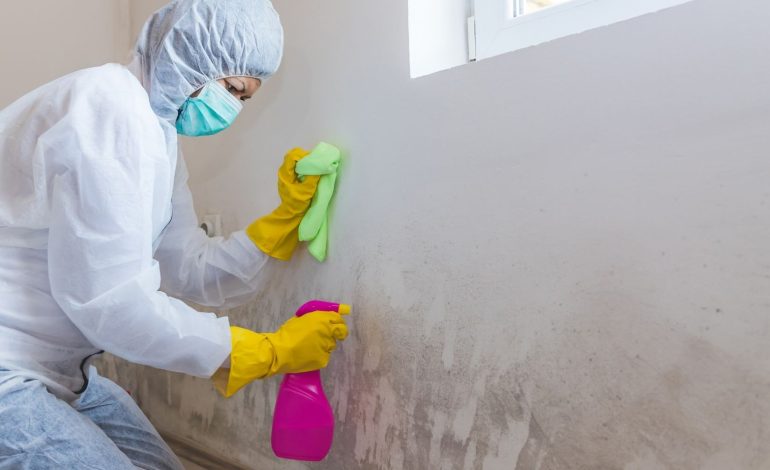

If you’ve discovered mold in your Atlanta home, you’re not alone – and you’re not out of options. Georgia’s subtropical climate makes mold remediation Atlanta GA one of the most in-demand home services across the entire metro area. From Buckhead to East Point, Sandy Springs to Decatur, Atlanta homeowners face mold challenges year-round. This guide covers everything you need to know: what remediation actually involves, how to choose the right company, what it costs, and how to make sure mold never comes back.
What Is Mold Remediation – and How Is It Different From Mold Removal?
| Mold Removal | Mold Remediation | |
| Scope | Surface cleaning only | Full elimination + root cause treatment |
| Addresses moisture source | Rarely | Always |
| Material removal | Sometimes | Yes – when necessary |
| Post-work testing | Uncommon | Standard practice |
| Recurrence rate | High | Low when done correctly |
| Follows EPA/IICRC standards | Rarely | Yes |
True mold remediation Atlanta GA doesn’t just clean what’s visible – it eliminates the colony at its source, addresses the moisture problem that caused it, and verifies success through independent laboratory testing.
Why Atlanta Has a Serious Mold Problem
- Average annual rainfall: 50+ inches
- Average summer humidity: 65-75%
- Average days above 90°F: 40+ per year
- Mild winters: Mold colonies survive year-round without the cold-kill cycle northern climates provide
This combination – heat, humidity, rainfall, and mild winters – creates conditions where any moisture intrusion becomes a mold event within 24 to 72 hours.
The Most Dangerous Mold Species in Atlanta Homes
- Stachybotrys chartarum – black mold; produces mycotoxins causing respiratory illness and neurological symptoms; requires strictest containment protocols
- Aspergillus – colonizes HVAC ductwork and wall cavities; can cause serious lung infections in immunocompromised individuals
- Penicillium – spreads rapidly in water-damaged insulation and carpet
- Chaetomium – indicator species for severe water damage; found in degraded drywall
- Cladosporium – common on HVAC components and wood; one of the most widespread species in Georgia
The Professional Mold Remediation Process: Step by Step
Phase 1 – Comprehensive Inspection
Full property assessment using digital moisture meters, thermal imaging cameras, and visual examination of all accessible areas including attic, crawl space, basement, and HVAC system.
Phase 2 – Laboratory Air and Surface Sampling
Air samples sent to an accredited mycology laboratory. Results identify species present and quantify spore concentration per cubic meter of air – essential for insurance documentation.
Phase 3 – Containment
The work area is sealed with 6-mil polyethylene sheeting. Negative air pressure machines run continuously, exhausting contaminated air to the exterior and preventing spore migration to clean areas.
Phase 4 – Contaminated Material Removal
Porous materials – drywall, insulation, carpet, ceiling tiles, subflooring – are physically removed, double-bagged, and disposed of per EPA and Georgia regulations.
Phase 5 – HEPA Filtration and Antimicrobial Treatment
Industrial HEPA air scrubbers filter airborne spores continuously. EPA-registered antimicrobial agents applied to all surfaces. Wood framing treated with encapsulant sealant where physical removal is not possible.
Phase 6 – Independent Clearance Testing
A third-party inspector collects post-remediation air samples. Laboratory results must confirm spore levels have returned to normal outdoor background levels before reconstruction begins.
For certified, fast-response Atlanta mold removal experts, Atlanta Mold Fix serves the entire metro area with free on-site assessments, written remediation protocols, and same-day emergency response for active water damage situations.
How Much Does Mold Remediation Cost in Atlanta GA?
| Scope of Work | Estimated Cost |
| Bathroom surface mold | $300 – $800 |
| Single room with wall cavity involvement | $1,200 – $3,500 |
| Crawl space vapor barrier + mold removal | $2,000 – $5,500 |
| Basement full remediation | $3,000 – $8,000 |
| HVAC duct mold treatment | $700 – $2,500 |
| Multi-room / whole-home remediation | $6,000 – $20,000+ |
The cost of waiting: A mold colony caught at 10 square feet costs $500-$1,000 to remediate. The same colony left untreated for three months can spread through an entire floor system and cost $8,000-$15,000.
How to Choose the Right Mold Remediation Company in Atlanta
- IICRC AMRT certification – verify at iicrc.org
- Georgia contractor license and current liability insurance
- Independent post-remediation testing – clearance sampling must be third-party
- Written, itemized scope of work – no reputable company quotes over the phone without inspection
- Verifiable Google and Yelp reviews from real Atlanta customers
Seasonal Mold Risk Calendar for Atlanta Homeowners
| Season | Primary Risk | Action |
| Spring (Mar-May) | Heavy rainfall, rising groundwater | Inspect crawl spaces and basements monthly |
| Summer (Jun-Sep) | Extreme humidity, HVAC condensation | Monitor indoor humidity daily, service HVAC |
| Fall (Oct-Nov) | Renovation season uncovers hidden mold | Schedule pre-renovation mold inspection |
| Winter (Dec-Feb) | Condensation on cold walls | Check exterior wall cavities and window seals |
Long-Term Mold Prevention for Atlanta Homes
- Maintain indoor relative humidity between 40-50% year-round
- Fix plumbing leaks within 24 hours
- Encapsulate crawl spaces with continuous vapor barrier
- Service HVAC systems annually
- Run bathroom exhaust fans for 20 minutes after every shower
- Inspect gutters seasonally
- Ensure balanced attic ventilation
Frequently Asked Questions
Q: How long after water damage does mold start growing?
Mold can begin colonizing wet porous materials within 24-48 hours under Atlanta’s temperature and humidity conditions.
Q: Can mold come back after professional remediation?
Not if the moisture source is identified and permanently eliminated. Recurrence indicates either incomplete remediation or a new moisture event.
Q: Do I need to leave my home during mold remediation?
For small, contained projects you may remain in unaffected areas. For larger remediation or toxic black mold, vacating is strongly recommended.
Q: Is it safe to buy a home with previous mold remediation in Atlanta?
Yes – if remediation was performed by a certified company, clearance testing confirmed success, and the moisture source was permanently corrected. Request the remediation report and clearance results during due diligence.
Mold remediation in Atlanta GA is not something to delay, minimize, or attempt without professional expertise. The combination of Georgia’s climate, Atlanta’s older housing stock, and the health risks of toxic mold species makes certified professional remediation the only reliable path to a safe, mold-free home.