Comparing Sofa Cushion Designs for Modern vs Traditional Homes

Most people focus on size, colour, or fabric first when shopping for a sofa in Malaysia. Yet, the sofa cushion is often the feature that decides whether the piece becomes a long-lasting favourite or something that feels uncomfortable after a few months. Cushions do more than provide a soft seat; they shape the overall look of the sofa and determine how well it fits into either a modern or traditional home. Understanding how designs differ between these two styles makes it much easier to choose one that suits your lifestyle.
Modern Homes: Streamlined and Sleek
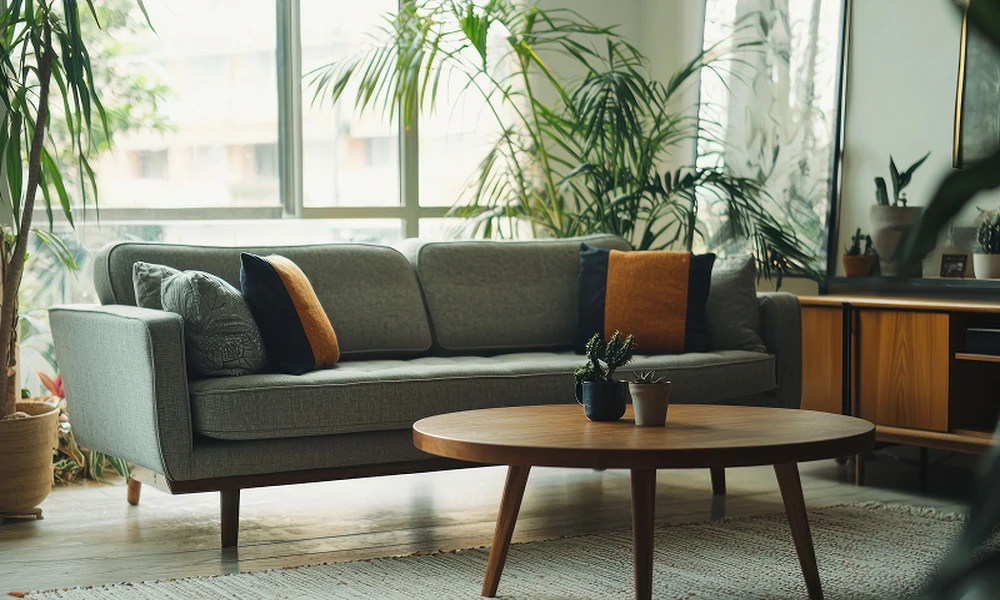
Interior design in modern Malaysian homes is usually about clean lines, open spaces, and a sense of simplicity. Cushions in this setting tend to reflect those same values. Instead of bulky pillows that sink in, you’ll often find slimmer, firmer cushions that sit flush with the frame of the sofa. This cushion keeps everything looking sharp and uncluttered, especially in smaller apartments where space has to be used smartly.
The material also plays a significant role. High-density foam is typical in modern sofa cushions because it retains shape and has robust support. You don’t get the same sinking feeling as softer options, which means the sofa looks neat for longer. Covers are usually made from durable materials such as leather or stain-resistant fabrics—ideal for city living, where families want furniture that looks stylish but can also handle everyday use.
Traditional Homes: Comfort Comes First
On the other hand, traditional homes often lean towards warmth and comfort. Here, a sofa cushion is expected to be plush, soft, and inviting—something you sink into rather than perch on. Feather blends, fibre fills, or medium-density foam are popular because they create that cosy, lived-in feel.
Design-wise, traditional cushions are usually thicker and more generous in size. They may be removable, allowing homeowners to flip, fluff, or replace them when needed. Fabrics are also richer, with textured weaves, classic prints, or embroidered details that match the wooden furniture and ornate décor commonly found in these homes. A sofa in this style becomes more than just seating—it’s the centrepiece of the living room.
Practical Differences in Everyday Use
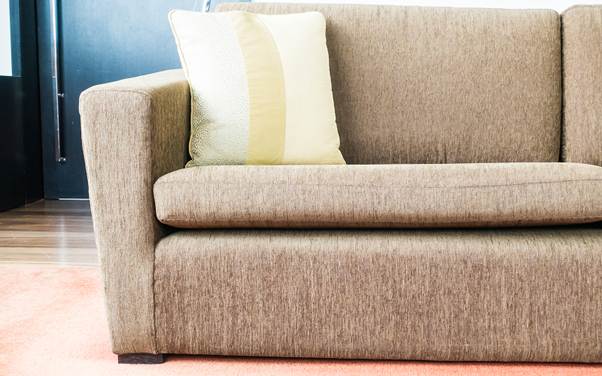
Beyond appearance, how sofa cushions function differs between modern and traditional designs. Cushions in modern sofas are often fixed to the frame, which means they don’t shift around or need constant straightening. It’s a low-maintenance option that suits fast-paced households and smaller living spaces.
Traditional sofas, with their removable cushions, offer more flexibility. The cushions can be rotated or even replaced, extending the sofa’s lifespan. This cushion is suitable for larger family homes where the sofa experiences heavy use. The upkeep may involve more fluffing or cleaning, but the trade-off is greater comfort and customisation.
Which Style Suits You Best?
The choice between modern and traditional cushions usually depends on lifestyle. Modern cushion designs are a solid option if you prefer a tidy, minimalist look and don’t want to fuss over maintenance. Meanwhile, if comfort and softness matter more, especially for family gatherings or long evenings at home, a traditional sofa cushion is worth considering.
Price is another factor. Sofas with high-density foam cushions may cost more upfront but require less upkeep over time. Traditional cushions can be easier on the wallet initially, though they may need more frequent replacement or care.
Conclusion
The style of a sofa cushion does more than determine how comfortable you’ll feel sitting down—it changes how a sofa fits into your home. Modern designs keep things sleek and functional, while traditional ones bring softness and character. Knowing these differences can help you invest in the right sofa, one that doesn’t just look good in your living room but also feels right for your daily life.
Visit Harvey Norman to upgrade your living room with the right balance of comfort and style.