When Your Safe Space Starts Dripping: The Politics of Aircon Leaks in Modern Life


Aircon leaking transforms climate-controlled domesticity into crisis management, where technological comfort collides with mechanical entropy. In Singapore, where air conditioning operates as life support, every unexpected drip reveals how precariously our comfort depends on systems designed by people who never clean up their failures.
The Geography of Domestic Water Disaster
When AC water leakage occurs, it announces itself through disruption that transforms familiar spaces into emergency zones. The water follows gravity’s logic rather than our convenience, pooling in unreachable corners, staining irreplaceable surfaces, and creating humidity where we’ve paid to eliminate it.
Singapore’s humidity means cooling systems work overtime, processing moisture from saturated air. With 41% of residents using air conditioning 3-6 hours daily, condensate production becomes a hidden byproduct—gallons of water extracted through drainage systems that fail regularly.
The air conditioning dripping reveals the contradiction of tropical urban living: we create artificial climates that generate waste products we don’t understand managing. Previous generations lived with humidity; we’ve chosen to export it through pipes that clog and redirect water into spaces never designed to accommodate it.
Anatomy of Condensate Rebellion
The cooling system leaks manifest through several predictable pathways that mirror the broader failures of infrastructure under pressure:
• Clogged drainage pipes where algae and debris accumulate like unwanted residents in the mechanical circulatory system
• Disconnected or damaged drain lines that transform carefully engineered water flow into random domestic flooding
• Overflowing drip pans that reveal the limits of containment in systems designed for theoretical rather than actual conditions
• Frozen evaporator coils creating ice blockages that redirect condensate into unintended territories
• Improper installation angles where gravity becomes enemy rather than ally in water management
• Blocked air filters forcing systems to work harder and produce more condensate than drainage can handle
Each leak location tells a story about engineering ambition versus maintenance reality. The water appears where it shouldn’t, when we can least afford it, with timing that suggests mechanical systems possess dramatic irony.
The Economics of Emergency Mopping
Water dripping from aircon units creates economic ecosystems of damage and repair. In Singapore’s premium property market, water damage represents significant financial consequence. HDB flat owners and condominium residents both confront the same mathematics: comfort’s cost includes comfort’s failures.
Consider expenses triggered by AC unit leaking water: emergency repairs at premium rates, temporary accommodation if damage makes homes uninhabitable, replacement electronics and furniture, professional cleaning to prevent mould, and psychological cost of systems that betray our trust. Monthly cooling bills become just the beginning of air conditioning’s true costs.
The Repair Culture’s Domestic Invasion
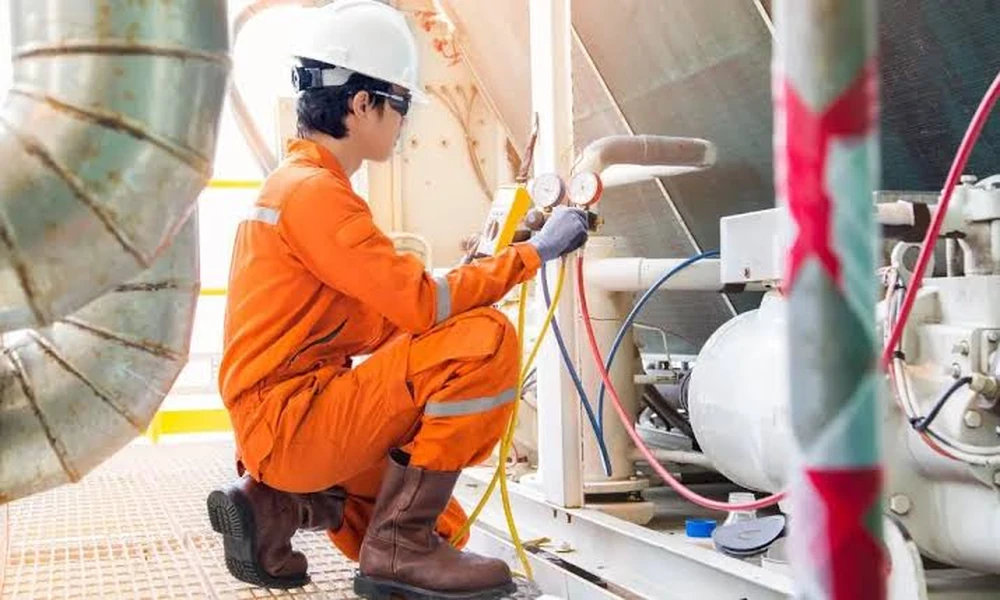
When condensate leaking transforms home into worksite, we enter relationships with repair technicians who possess knowledge we’re not expected to have. They diagnose problems using vocabulary we learn in crisis: “condensate pump failure,” “drainage slope inadequacy,” “evaporator coil icing”—technical language describing the betrayal of systems we depend on but don’t understand.
The repair visit becomes domestic colonisation, where strangers with tools temporarily control spaces we thought we owned. They identify unsuspected problems, recommend solutions we can’t evaluate, and leave us more aware of our mechanical helplessness.
Singapore’s Climate as Co-conspirator
In a city-state where cooling energy consumption is projected to grow 73% between 2010 and 2030, and cooling systems consume 40-50% of building energy, the relationship between climate and mechanical systems becomes antagonistic. Singapore’s humidity demands constant mechanical vigilance that systems struggle to provide reliably.
The condensate dripping problem intensifies during heaviest use, when repair services become most expensive and least available. Climate that makes air conditioning necessary also makes failure most catastrophic, creating perfect storms of dependency and vulnerability.
Prevention as Resistance Practice
Some households develop strategies for managing the relationship between climate control and water management:
• Monthly drainage inspection treating pipes and collection points as part of domestic infrastructure requiring attention
• Filter replacement schedules that prioritise prevention over emergency response
• Understanding seasonal patterns of condensate production and drainage stress
• Developing relationships with reliable repair services before crisis makes choice impossible
• Learning basic diagnostic skills to distinguish emergency repairs from routine maintenance
These approaches require investments of time and attention that the service economy discourages, but they represent small acts of resistance against the planned helplessness of consumer culture.
The Hidden Curriculum of Mechanical Dependency
Perhaps most troubling is how air conditioning water issues contribute to the systematic mystification of domestic systems. We’re encouraged to see condensate management as technical problem requiring professional solution, rather than predictable consequence of technological choices we’ve made about how to live with climate.
The leak becomes teacher, offering uncomfortable lessons about the fragility of technological solutions to environmental problems. Each emergency repair reinforces our position as consumers of comfort rather than managers of systems, dependent on expertise we’re discouraged from developing.
Conclusion: The Drip as Political Revelation
The failing drainage system offers insights into the broader politics of technological dependency and infrastructural vulnerability. When we spread towels across floors we thought were permanently dry, when we redirect furniture around gathering puddles, when we negotiate with repair services for emergency attention, we confront the reality that our climate-controlled existence rests on systems designed to fail gracefully but which often fail spectacularly.
Every emergency repair call represents a small surrender to the service economy’s monopolisation of domestic competence. Yet these moments also reveal opportunities for reclaiming agency over our own living spaces, for developing relationships with our mechanical systems that extend beyond monthly utility payments and emergency repair calls.
The next time you discover aircon dripping water in spaces meant to stay dry, remember that you’re witnessing more than mechanical failure—you’re observing the intersection of climate, technology, and domestic vulnerability that defines contemporary urban living in all its precarious complexity.