The Role of Dock Levelers in Enhancing Workplace Safety and Productivity
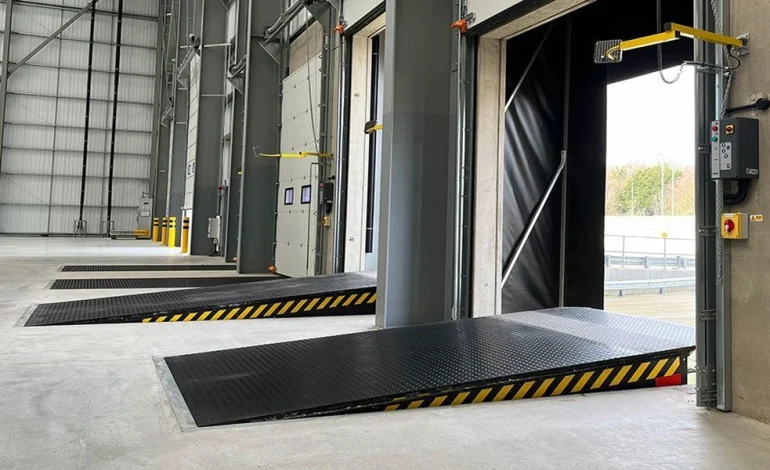

Loading docks have always been battlegrounds for efficiency and safety. A single misstep, literally or figuratively, at the dock can result in costly injuries, damaged goods, or lost productivity. As warehouses and distribution centers race to optimize every square foot, the humble dock leveler has evolved into a linchpin of workplace operations.
Early Dock Leveling Solutions: Foundations of Workplace Safety
Long before modern warehouses, basic wooden planks bridged the gap between truck and dock. It was a simple idea, but riddled with problems. These early “levelers” often slipped, broke, or could not handle heavier loads, exposing workers to injuries and shipments to damage.
The Emergence of Basic Dock Levelers
Metal plates replaced wooden solutions as freight volumes grew. They promised greater durability, but hazards remained. Plates could shift unexpectedly, and there was little to stop a worker from getting caught between the dock and a moving truck.
Initial Challenges in Loading Dock Safety and Efficiency
Early solutions were reactive rather than preventive. Accidents were frequent, and each mishap highlighted the need for better stability and load support. Productivity was hampered as staff navigated unreliable equipment and makeshift fixes.
Advances in Dock Leveler Technology
Once mechanical dock levelers entered the scene, everything began to change. Instead of relying purely on brute strength or improvisation, workers gained access to platforms that adjusted to varying truck heights, creating stable pathways for forklifts and pallet jacks.
Introduction of Mechanical Dock Levelers
Mechanical systems used springs and levers, making it easier and safer to bridge the dock-truck gap. Efficiency soared, but these systems still demanded regular manual labor and could be difficult to operate in harsh conditions.
The Shift to Hydraulic and Pneumatic Systems
Hydraulic dock levelers marked a step-change. These systems offered smoother, more reliable operation with the push of a button. Pneumatic levelers, using air-powered lifts, added another layer of reliability, especially in facilities focused on minimizing maintenance.
Integration of Safety Features in Modern Designs
The latest dock levelers are not just stronger; they are smarter. Built-in safety lips, toe guards, tactile controls, and automatic positioning help prevent accidents. Equipment like vehicle restraint hooks and wheel chocks now form part of the standard safety suite, ensuring that trucks stay exactly where they should during loading.
Impact on Workplace Safety
What used to be a hotspot for accidents has become a showcase for safety engineering. Modern dock levelers have played a significant role in this transformation.
Reducing Injuries Through Enhanced Dock Leveler Design
A well-designed dock leveler eliminates common hazards, such as sudden drops or movement, by ensuring a secure, stable transition. Statistics from industrial safety boards routinely show a decline in dock-related injuries as advanced levelers are installed.
Role of Retention Systems and Safety Accessories
Retention systems like the ones offered by Door Doctor, including vehicle restraint hooks and advanced tactile controls, lock trucks into place. These features limit the chance of a trailer pull-away or early departure, which are among the leading causes of serious dock accidents.
Case Studies: Safety Improvements in Industrial Settings
Many facilities have reported a marked reduction in workplace injuries after upgrading to modern hydraulic or pneumatic levelers combined with retention accessories. In one logistics hub, incidents dropped by more than 30 percent within a year of installation.
Productivity Gains from Dock Levelers
Speed and safety are not mutually exclusive. Dock levelers prove that secure workplaces can also be the most productive.
Streamlining Loading and Unloading Processes
Automated systems slash the time needed to position and secure loading equipment. Workers spend less time on manual adjustments and more on value-added tasks.
Compatibility with Various Loading Equipment
Modern levelers adapt to a range of vehicle heights, from low vans to high trailers. This flexibility means fewer delays and a smoother workflow, particularly in busy multi-bay facilities.
How Dock Levelers Reduce Equipment Damage and Downtime
By providing stable, even surfaces, today’s dock levelers minimize wear and tear on forklifts, pallet jacks, and dock doors. As a result, facilities see fewer mechanical failures and less unplanned downtime.
Current Innovations and Features
The latest dock levelers are pushing the boundaries of automation, safety, and environmental responsibility.
Smart Controls and Automated Dock Levelers
Touchscreen controls, real-time diagnostics, and remote operation are now common. These features allow for faster troubleshooting and proactive maintenance, cutting the risk of unexpected failures.
Environmental Considerations in Dock Leveler Manufacturing
Manufacturers are embracing eco-friendly practices, from using recyclable materials to designing low-energy hydraulic systems and pneumatic solutions that reduce carbon footprints.
Customization Options for Diverse Industries
Dock levelers today can be tailored for almost any environment, whether that’s a food warehouse needing anti-corrosion materials or an automotive plant requiring heavy-duty platforms.
Maintenance, Repair, and Lifespan Enhancements
Even the best levelers need care. Routine checks and timely repairs are essential for long-term performance.
Routine Maintenance Best Practices
Facilities should schedule regular inspection of hydraulics, springs, and safety features. Lubrication, debris removal, and testing controls can prevent most common issues.
Upgrading Existing Dock Levelers with Conversion Kits
Conversion kits, like those offered by Door Doctor, can transform older mechanical units into hydraulic or pneumatic systems. These kits extend the working life of existing equipment while introducing modern safety features.
Extending Equipment Life to Maximize ROI
Preventive maintenance, combined with timely upgrades, means facilities get the most from their investment. A well-cared-for dock leveler can serve reliably for over a decade.
For facilities seeking expert help, services such as Dor Docteur réparation de porte de quai provide specialized repair and maintenance, ensuring that loading areas remain both safe and efficient.
The Future of Dock Levelers in Workplace Safety and Productivity
Smart docks are on the horizon. Next-generation levelers will not only adapt to new vehicle types but also leverage IoT and AI for predictive maintenance and workflow optimization.
Emerging Trends and Technologies to Watch
Expect to see wireless sensors monitoring equipment wear, cloud-based analytics tracking usage patterns, and AI-driven recommendations for optimal dock scheduling.
Potential Impact of IoT and AI on Dock Operations
Connected devices will allow managers to anticipate repairs before breakdowns occur, reducing both costs and risk. AI may soon automate entire dock operations, from leveling to locking systems.
Preparing Facilities for Next-Generation Dock Solutions
Forward-thinking companies are already retrofitting docks with modular systems, ensuring their facilities are ready for whatever the future brings. The dock leveler, once a simple bridge, is now a platform for safety, productivity, and innovation.