Dive into Brilliance: LED vs. Halogen for Your Poolside Oasis
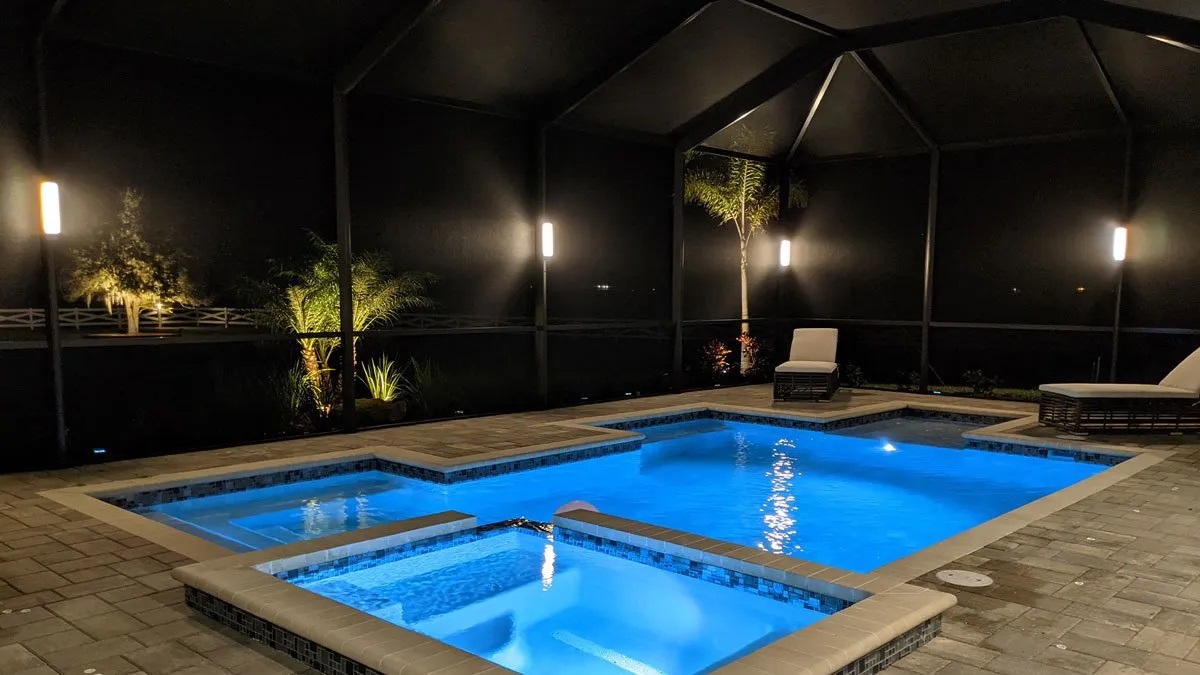

Elevate your pool area from a sunny playground to a captivating nighttime retreat with strategic lighting. LED and halogen are two popular options for illuminating your pool, each with distinct advantages and disadvantages. LEDs shine with energy efficiency, long lifespans, and vibrant color options, reducing energy bills and maintenance needs. However, their initial cost can be higher. Halogen lights, on the other hand, are more budget-friendly upfront and offer a warm, natural glow. Yet, they consume more energy, require more frequent replacements, and generate more heat. Choosing between LED and halogen depends on balancing your priorities: cost savings and longevity versus initial investment and desired ambiance.
Efficiency and Longevity: LED Takes the Lead
One of the most significant advantages of LED pool lights is their exceptional energy efficiency. Compared to halogen lights, LEDs consume significantly less electricity, often using up to 75% less energy. This translates to lower energy bills and a smaller carbon footprint. Furthermore, LEDs boast an impressive lifespan, typically lasting for tens of thousands of hours. This extended lifespan reduces the frequency of replacements, saving you time, money, and the hassle of pool maintenance. Halogen lights, on the other hand, have a much shorter lifespan, requiring more frequent bulb changes. Choosing top Pool Lighting Ideas is most essential here.
Brightness and Color: A Matter of Preference
Halogen lights traditionally held an edge in terms of brightness. However, advancements in LED technology have led to LEDs that can match or even surpass the brightness of halogen bulbs. The real deciding factor often comes down to color preference. Halogen lights emit a warm, yellowish light that some find more inviting and comforting. LED lights, on the other hand, offer a wider spectrum of colors, allowing for creative customization. You can choose from a range of white tones, from cool to warm, and even opt for color-changing LEDs that can cycle through the entire rainbow, creating dynamic and captivating visual effects.
Cost Considerations: Initial Investment vs. Long-Term Savings
The initial cost of purchasing LED pool lights is typically higher than that of halogen lights. This upfront investment can be a deterrent for some homeowners. However, it’s crucial to consider the long-term savings associated with LEDs. Their energy efficiency reduces electricity bills, and their extended lifespan minimizes replacement costs. Over time, the savings from these factors can easily offset the higher initial investment, making LEDs a more cost-effective choice in the long run.
Installation and Maintenance: Ease of Use Matters
Both LED and halogen pool lights can be relatively straightforward to install, especially if you’re replacing existing lights. However, it’s always recommended to consult with a qualified electrician, particularly when dealing with electrical components near water. Maintenance for both types of lights is minimal, but as mentioned earlier, LEDs require far fewer bulb replacements. Consider the accessibility of your pool lights when making your decision, as difficult-to-reach lights will make bulb replacements more challenging.