How to Balance Warmth and Minimalism in Exterior Design
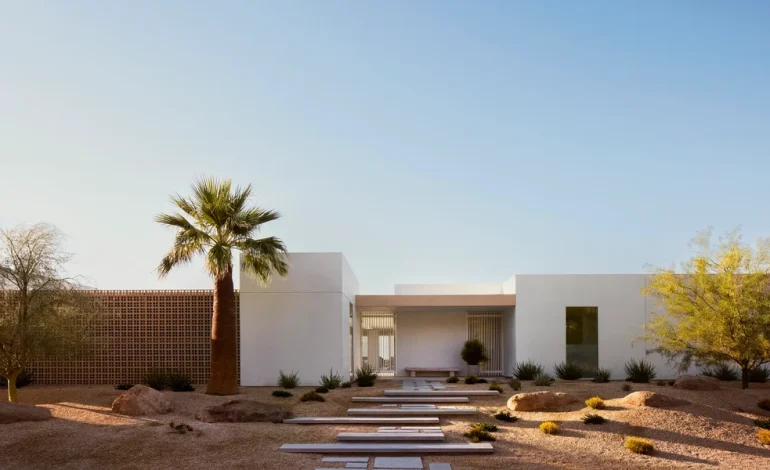

Minimalism is somewhat associated with clean lines, simple shapes, and uncluttered spaces in the exterior design. But a minimalist home does not need to feel cool and inhospitable. When designing the exterior of a home, it is important to carefully consider the use of simple design elements and warm materials, natural elements, and thoughtful details to ensure that the space feels modern and inviting.
To achieve this ideal combination, mastering how to Balance Warmth Minimalism Exterior Design relies on creating harmony between sleek architectural forms and inviting organic textures. Rather than letting stark geometric lines overwhelm the facade, incorporating subtle natural accents ensures the home remains grounded, relaxed, and visually comfortable. By thoughtfully layering soft tones and tactile finishes right from the start, you can establish an approachable aesthetic that feels effortlessly modern without ever seeming cold or detached.
Choose Warm, Natural Materials
A minimalist exterior can be complemented with natural materials to enhance the clean feeling. Warm finishes such as wood, natural stone, brick and textured can make for a warm but not overly decorative design. The materials can be used in entry doors, wall sections, pathways or architectural accents.
Formal Handwriting: Use a Balanced Colour Palette
A colour palette keeps things simple and helps to achieve a minimalist look, but it doesn’t mean that all surfaces need to be white or grey. Neutral, earthy colours, warm beige, tones of brown or natural wood-like colours can make the exterior more welcoming. Restricting colours may help to maintain organised visual design.
Do add Carefully Selected Landscaping.
A minimalist exterior can be enhanced with life and softness through plants. Rather than packing in as many plants, trees or shrubs as space will allow, homeowners can select a handful of well-placed specimens. Natural shapes add an element of simplicity to clean architectural lines, avoiding visual clutter.
Focus on Texture
Texture is a great method to achieve warmth without elaborating an overly complex design. Visual interest can be created without going overboard with decoration, using rough stone, smooth concrete, timber, textured plaster, and matte finishes. Mixing textures can add depth to a minimalist facade, making it more inviting and visually interesting.
Greet Person Warmly
Entry is a critical component of warmth and simplicity. A simple planter, path, lighting or well-designed front door can make a welcome first impression. These are the little things that can make a big difference when it comes to keeping things minimalistic.
Use Lighting Thoughtfully
Outdoor lighting fixtures can add beauty and ambience to a home. Pathway, entrance and architectural lighting that are warm and inviting will set the tone for an evening of comfort. Fixtures should be kept simple and functional – to enhance the design rather than dominate it.
Avoid Excessive Decoration
Restraint is the essence of good minimalist design. Too many decorations on the exterior may make it look crowded and less impactful than the clean architectural design. Every element should be functional, aesthetic or both.
In conclusion, achieving a balance of warmth and minimalism involves careful consideration and intentional design choices, not just a lack of adornment. Simple things such as natural materials, warm hues, strategic landscaping, textural interest, inviting doorways and soft lighting can help create a warm, inviting and personal look to a simple exterior. By making purposeful selections, homeowners can create an inviting yet visually clean design.