Plants That Actually Work Around a Pool – Not Just Look Good in Photos
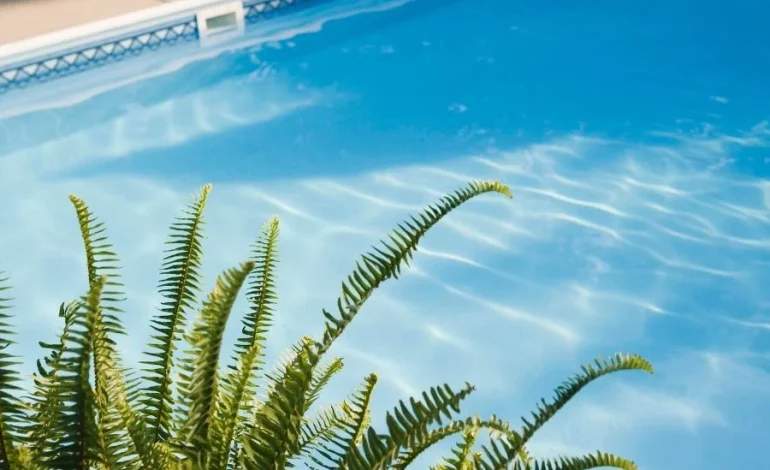

Designing a pool area often starts with how you want it to look, but what really determines whether it works is how it behaves over time. The plants you choose can either make the space feel effortless and cohesive, or turn it into something that constantly needs cleaning, trimming, and fixing.
That’s why decisions around planting tend to become more considered once people start exploring options like pool landscaping in Perth. It’s not just about what looks good next to water – it’s about what holds up in that environment without creating extra work.
A pool changes the conditions around it. There’s reflected heat, increased moisture, chemical exposure, and regular foot traffic. Not every plant responds well to that combination, and choosing the wrong ones often leads to problems that only become obvious once everything is established.
The Environment Around a Pool Is More Demanding Than It Seems
At first glance, a poolside garden doesn’t appear that different from any other part of a yard. But the conditions are more extreme than they look.
Surfaces around pools tend to reflect heat, creating warmer microclimates. Water splashes and evaporation increase humidity in some areas while others dry out quickly. Depending on the type of pool, there may also be exposure to chlorine or salt, both of which can affect plant health over time.
These factors combine in ways that aren’t always predictable. A plant that thrives elsewhere in the garden might struggle when placed near the pool, even if it initially appears healthy.
Understanding this environment is what separates a design that lasts from one that slowly declines.
Plants That Drop Constant Debris Become a Problem Quickly
One of the most common issues around pools isn’t whether a plant survives – it’s what it sheds.
Leaves, flowers, seeds, and bark all end up in the water or on surrounding surfaces. What might be manageable in another part of the garden becomes a constant maintenance issue near a pool.
Even small amounts of debris can accumulate quickly, affecting water quality and increasing cleaning time. Over time, this turns what seemed like a minor inconvenience into a recurring frustration.
Plants that retain their foliage well, or shed minimally, tend to be far more practical in this setting. It’s not about eliminating natural processes entirely, but about choosing plants that don’t create ongoing problems.
Roots Matter More Than You Think
What happens below the surface is just as important as what you see above it.
Some plants have aggressive root systems that can interfere with paving, plumbing, or the structural elements of the pool itself. These issues don’t appear immediately, which is why they’re often overlooked during the design stage.
As roots grow and expand, they can shift surfaces, create cracks, or disrupt drainage. Fixing these problems is rarely simple, and often involves removing or replacing established plants.
Choosing species with more controlled root systems helps avoid these complications. It’s one of those decisions that doesn’t draw attention at the start, but makes a significant difference over time.
Not All Greenery Handles Water and Chemicals Well
Pools introduce elements that most plants aren’t regularly exposed to.
Splashing water, whether chlorinated or saline, can affect soil conditions and leaf surfaces. Over time, this exposure can lead to discolouration, reduced growth, or general decline in plant health.
Some plants are more tolerant of these conditions than others. They can handle occasional exposure without showing signs of stress, making them better suited to areas close to the pool.
Positioning also plays a role. Plants placed slightly further away may still contribute to the overall design without being exposed to the same level of impact.
Understanding these subtle differences helps maintain a consistent look without compromising plant health.
Scale and Growth Can Change the Space Completely
What works when a plant is first installed doesn’t always work once it reaches maturity.
Plants grow, and in a pool setting, that growth can affect light, airflow, and the overall feel of the space. Something that starts as a neat, contained feature can become dominant, blocking sunlight or making the area feel enclosed.
This is particularly noticeable with fast-growing species. They can quickly outpace the intended design, requiring frequent pruning to keep them in check.
Choosing plants with predictable growth habits helps maintain balance. It allows the space to evolve without losing the original intent behind the design.
Texture and Form Often Matter More Than Flowers
It’s natural to be drawn to flowering plants, especially when designing a space meant to feel vibrant and inviting. But around a pool, texture and form tend to have a more lasting impact.
Foliage that holds its shape and colour consistently creates a cleaner, more cohesive look. It also avoids the cycle of flowering, dropping, and regrowth that can add to maintenance.
That doesn’t mean avoiding flowers entirely. It means using them deliberately, rather than relying on them as the main feature.
A well-designed pool area often feels calm rather than busy, and plant selection plays a significant role in achieving that balance.
Placement Influences How the Space Feels and Functions
Where plants are positioned can be just as important as which plants are chosen.
Areas close to the pool edge need to remain accessible and safe, which limits how dense or expansive planting can be. Pathways and seating areas require clear movement, while still benefiting from shade or visual softness.
Further away from the pool, there’s more flexibility. Taller plants, layered planting, and more varied textures can be introduced without interfering with how the space is used.
Balancing these zones helps create a space that feels intentional rather than crowded.
Maintenance Should Be Considered From the Start
It’s easy to underestimate how much upkeep a poolside garden requires.
Watering, trimming, cleaning, and general care all become more noticeable when they’re happening next to a pool that’s meant to feel clean and low-maintenance.
Designing with maintenance in mind doesn’t mean limiting your options. It means choosing plants and layouts that align with how much time and effort you’re willing to invest.
A space that’s easy to maintain tends to stay looking good. One that requires constant attention often doesn’t.
Getting the Balance Right
The best poolside planting doesn’t draw attention to itself for the wrong reasons. It supports the space, enhances the atmosphere, and holds up under the specific conditions created by the pool.
That balance comes from understanding how plants behave, not just how they look on the day they’re installed.
When the right choices are made early, the result is a space that feels consistent, functional, and easy to enjoy. When those choices are rushed or based purely on appearance, the issues tend to surface over time.
A pool area should feel like a place you want to spend time in, not something that constantly needs adjusting. The plants you choose play a bigger role in that than most people realise.