Storm Damage Can Hide Serious Water Trouble You Should Never Ignore Again
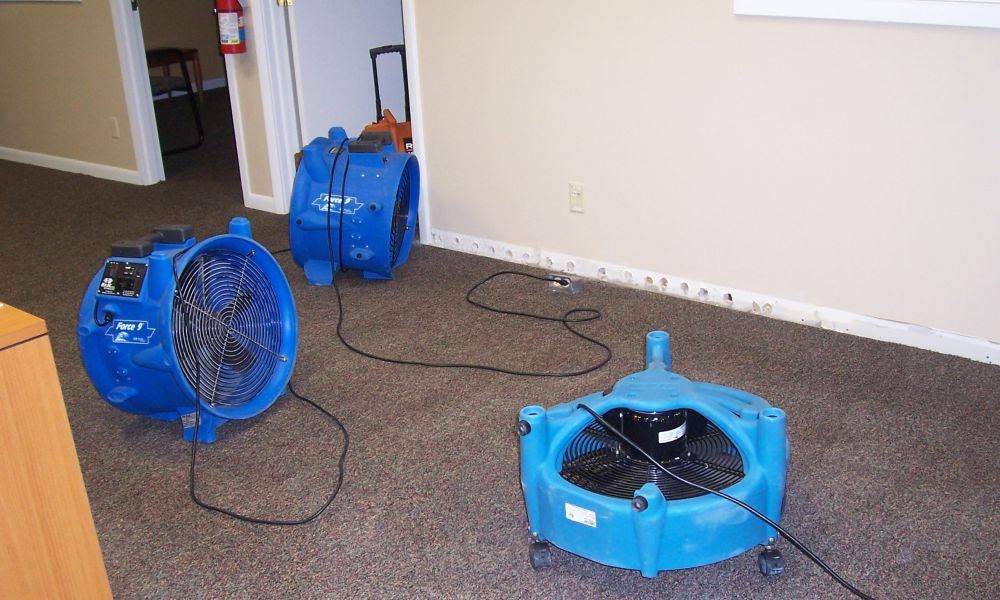

After a storm, your home may look fine on the outside. But water can sneak in quietly and cause big problems later. Roof leaks, soaked walls, or damp basements might seem minor at first. However, waiting too long to act can lead to mold, rot, or structural damage. This is where trusted flood clean up companies come in. They know what to look for and how to fix it fast.
Here are five ways to know if storm damage means you need professional water restoration services.
You notice a leaky or damaged roof
Storms can damage shingles, flashings, or even punch holes in your roof. If you notice water stains on ceilings or wet spots in the attic, it is time to act. A small leak can grow quickly. Water can spread into walls and ceilings without you knowing. Professionals inspect the roof, stop the leak, and repair water-damaged areas before it gets worse.
Walls or ceilings feel soft or look stained
After a storm, check your walls and ceilings. If they feel soft, sag, or show brown stains, water has likely soaked in. This kind of damage can be hard to dry properly on your own. Restoration teams use moisture meters and air movers to remove deep water and prevent mold or rot.
Your basement smells musty or feels damp
Even if your basement did not flood completely, damp air or a musty smell means water got in. Rising damp can damage flooring, walls, and furniture. It can also lead to mold. Experts will find where the moisture is coming from and dry it out completely, often using dehumidifiers and special drying equipment.
Insulation is wet or heavy
Stormwater often finds its way into walls and attics. If insulation gets soaked, it will not work properly and may grow mold. Wet insulation also holds moisture against wooden frames. This creates long-term damage. Flood clean-up pros will remove and replace damaged insulation to protect your home’s structure and air quality.
Mold starts to appear
One of the clearest signs you need help is mold. It grows fast, often in hidden areas. If you see black, green, or white spots after a storm, do not wait. Mold is harmful to breathe and spreads quickly. Professionals clean and treat mold safely with special cleaners and equipment.
Final thoughts
Storm damage may not always look serious, but what is hiding beneath could cost more later. Call the experts early and protect your home the smart way.