Installing a New AC Unit? Here’s What to Expect
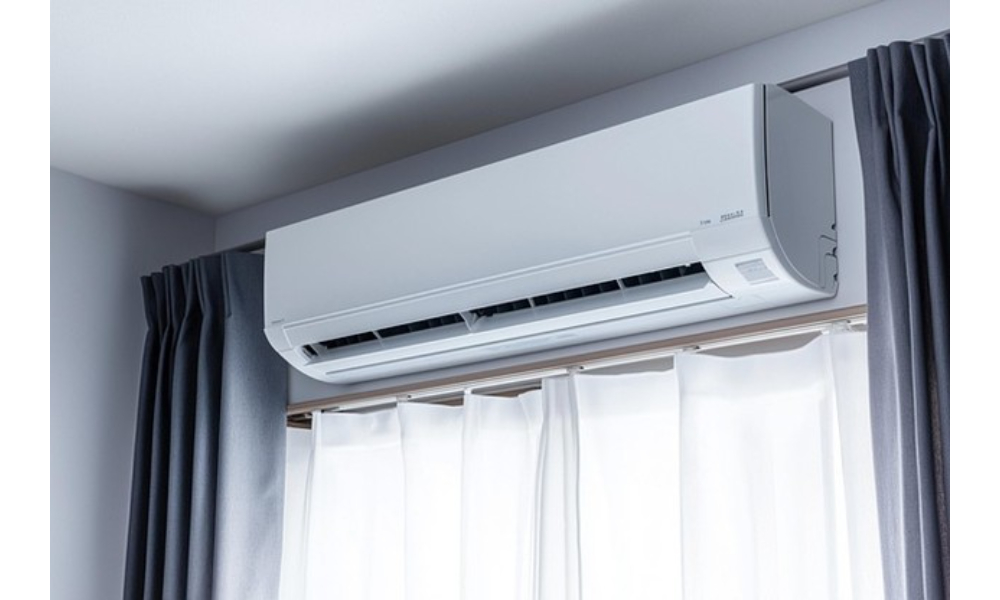

Feels massive to replace an old air conditioning unit, though it truly does not need to be that way, if knowing what to do beforehand. Be it that your existing system is overwhelmed to death, become too much dependant on repairs, or just outlived its usefulness, prepared and informed on what you can expect during an AC installation can help you to plot ahead and remain confident each step along the way.
We will go over what you should do before, during and after the installation, keeping your home cool and stress-free.
Preparing for Your New AC Installation
Here are a few simple steps to take before the installation day to help ensure the process goes smoothly. Above all, you should book your appointment ahead of time and be sure to ask your HVAC company what you can expect. They may provide you with a time frame, check out the information about your house, and field questions beforehand.
Advance preparation saves time and effort later—and it can help prevent delays after the technicians show up. Read here for additional information.
Clear the Installation Area
Space is required for your installers to move around and avoid potential hazards. We recommend taking a couple of minutes to clear out the area surrounding your indoor unit (which is usually in an attic, closet, or garage) and the outdoor unit before they come out. Please remove any boxes, furniture, or landscaping in the way of access.
Be sure to keep pets or children safely away from the work area (especially if you plan on using any toxic chemicals). This keeps everyone safe and allows the team to concentrate on doing the job well.
Communicate with the Installers
Getting yourself good at communicating with your installation team goes a long way. Be there when they do, in order to run through the scope of work, confirm any finalised choices, and ask final questions. This is also the time when you can request things specific to your property—where exactly should the thermostat go, how should the wires be routed, etc.
A good HVAC company will always like to keep you aware and involved through the process.
Choosing the Right System for Your Home
Your HVAC team will walk you through choosing your unit if you haven’t already done so. What you choose will depend on the size and layout of your home, as well as your energy goals. This is where you will need advice from the experts.
Assess Home Space and Layout
No two homes are alike, and the wrongly sized system can result in discomfort and inflated energy bills. A good technician will conduct a thorough load calculation to examine square footage, ceiling height, insulation, location of windows, and other areas of your home.
It also ensures that your system doesn’t work overtime to reach its end goal—or worse yet, underachieve.
Evaluate Energy Efficiency Ratings
The SEER (see https://www.sciencedirect.com/topics/engineering/seasonal-energy-efficiency-ratio for more information) rating of a new air conditioner is something to keep an eye out for when buying a new unit. A unit is more energy-efficient if it has a higher SEER.
Seek functionalities to speed up your process such as:
- Variable-speed compressors
- Integration with smart thermostat
- Eco-friendly refrigerants
A unit that costs more on the initial purchase but is energy-efficient will save money on bills in the long run.
Discuss Budget and Options
Make sure your HVAC provider has options that will match your comfort needs and your budget. Directionals could be regular split systems, high-efficiency models, and ductless mini-splits, all of which you should not consider
This is also when you can cover add-ons such as air purifiers or smart thermostats to help with air quality and control. A new AC system installation is a great time to upgrade to features that make your home more efficient and convenient.
The Step-by-Step Installation Process
Having knowledge of what really takes place during the installation eliminates the guesswork. So today, let us dissect it for you so you have an idea what to expect when D-day comes.
Removal of Old Equipment
Step 1: Your installer will disconnect and remove your old AC system. This encompasses the indoor air handler, outdoor condenser unit as well as any old wiring or thermostats.
Expect the technician to:
- Refrigerant disposal must be carried out in accordance with EPA standards
- Dispose of old equipment in an appropriate way
- Inspect your ductwork for any potential problems
For older systems, it can mean recovering and disposing of refrigerant in an environmentally responsible way.
Installing the New Unit
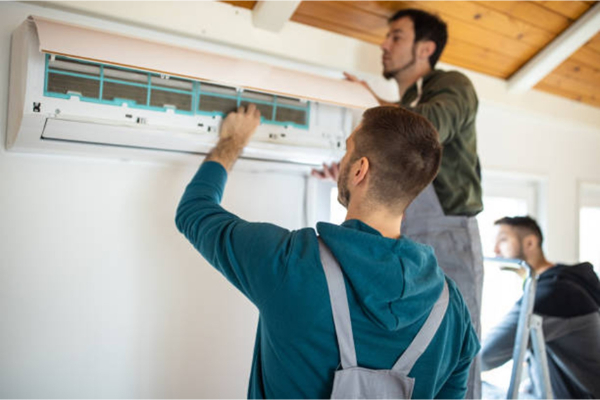
Your new unit will be installed where the old system was taken out. This involves installation of the indoor and outdoor units, anchoring them in place, and connecting any required ductwork, electrical wiring, and refrigerant lines.
The installation crew will adhere to specific guidelines and manufacturer specs to ensure your system is both safe and functional.
Connecting and Testing the System
Once installed, technicians will then wire your new unit to your power supply, thermostat and system, charge the refrigerant, and perform a full system check.
They will look for air leaks, confirm that the unit is cooling correctly, and calibrate your thermostat. Once everything is working properly, they will guide you through using your new system and resolve any last questions you may have.
Consider reaching out to a trusted local expert.
Cool Running Air, Inc
2125 W 76 Street Hialeah, Fl 33016
305-846-9760
http://www.coolrunningsair.com
Conclusion
An air conditioning installation pitcher seems like a monumental task, but, given proper planning and the right HVAC credentials, it can be a very simple and often inexpensive process that pays dividends in years of comfort and savings.