How Waterproofing Roof Tiles Can Go Wrong Without You Knowing

Not all roof leaks begin with a visible hole. Sometimes, the real trouble comes from advice on waterproofing roof tiles that is outdated or misunderstood. The wrong approach can cause more harm than good, from trapping moisture under the surface to masking underlying damage. Let’s dispel some of the most pervasive myths and discuss what you should know instead.
Believing Tiles Are Naturally Waterproof
Although tiles made of clay, slate, or concrete may appear to be able to withstand heavy rain, they are not waterproof. Instead of completely blocking rain, they are made to shed it. Water can seep through tiny cracks and reach the underlayment if proper sealing and routine inspections are not performed. Ignoring this fact results in issues remaining unnoticed until much more harm has been done.
Thinking Sealant Alone Solves Everything
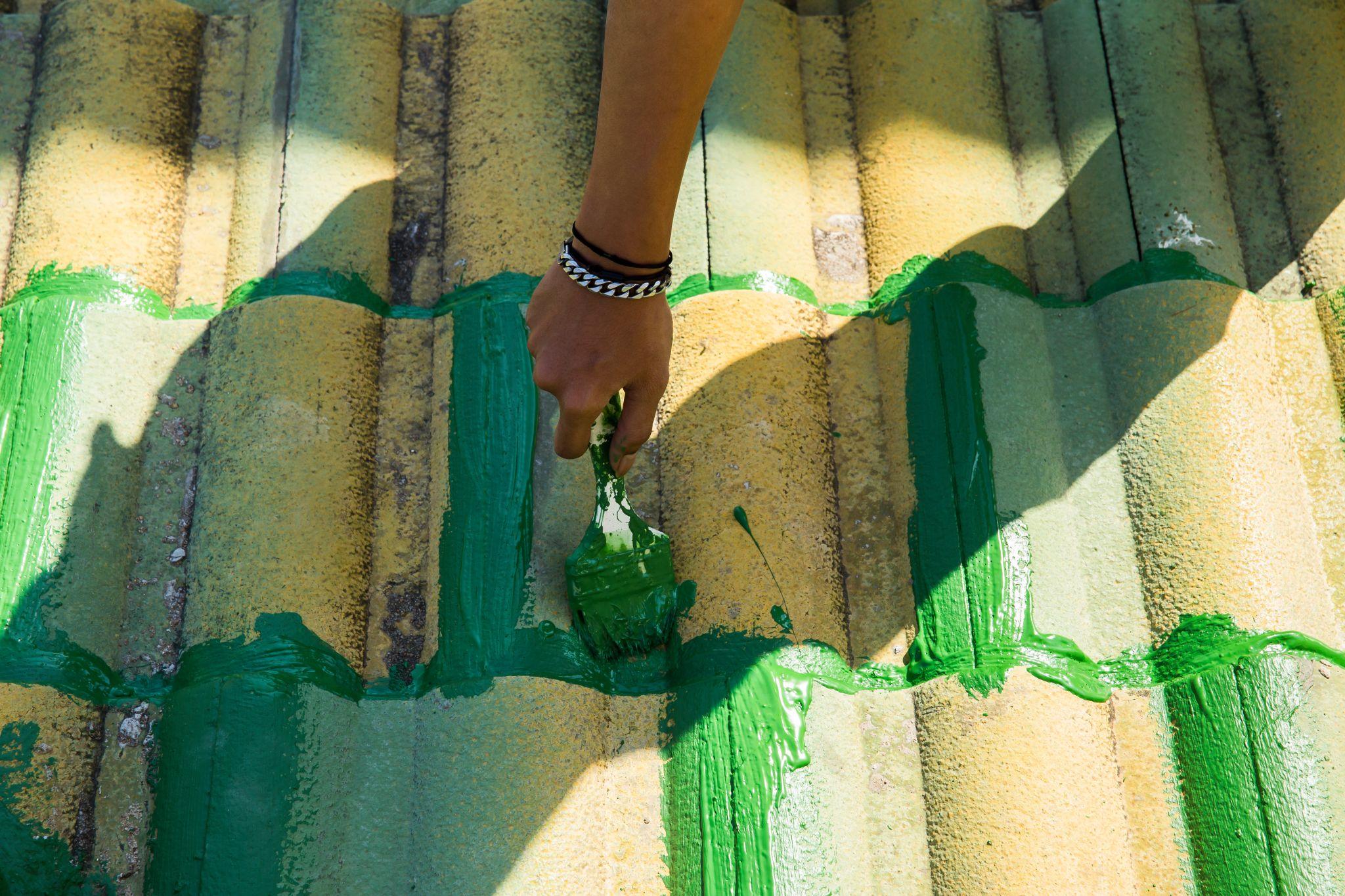
A coat of sealant might give the illusion of a quick fix, but relying on it alone is risky. Sealants can deteriorate over time, especially when exposed to intense sunlight and temperature shifts. If the underlying structure is already compromised, applying sealant can trap water instead of protecting the tiles. The right approach involves inspecting the roof’s layers and carrying out repairs before adding any protective coating.
Overlooking the Role of the Underlayment
Even the most durable tiles need a sound underlayment to prevent leaks. This layer acts as the final defence, catching any water that passes through the tiles. Skipping its maintenance can turn a minor drip into a major repair job. Roof waterproofing repair should always consider the underlayment’s condition, not just the surface.
Misjudging the Impact of Weather
Many assume that roofs only suffer during heavy rain, but weather extremes of all kinds can cause wear. Harsh sunlight can make tiles brittle, while wind-driven debris can create tiny cracks. Moisture can then creep in gradually. Understanding your local climate and its effects on roofing materials helps in scheduling timely inspections and preventive work.
Neglecting Regular Maintenance
A roof may look fine from the ground, but that is no guarantee that everything is intact. Dirt, moss, and algae can retain moisture, slowly breaking down tile surfaces. Small cracks or loose fittings are easy to miss until a full leak appears. Regular cleaning and checking for weak spots can extend the roof’s life and reduce costly repairs.
Assuming All Roofs Can Be Treated the Same Way
Different materials require different care. What works for concrete tiles may damage slate or clay. For example, high-pressure washing can erode softer tiles, leaving them more vulnerable to water damage. Understanding the specific needs of your roofing material is essential before applying any treatment.
Ignoring the Edges and Flashings
The main tile surface is only part of the puzzle. Water frequently finds its way in at the edges, valleys, and around protrusions like chimneys or vents. Flashings are particularly prone to wear and rust. Neglecting these areas during a roof waterproofing repair project means leaks could persist even after the main tiles are sealed.
Believing Repairs Are a One-Time Task
Roof care is not something to tick off a list and forget. Even after proper waterproofing, roof tiles work; the elements will slowly erode the protection. Treating the process as an ongoing part of home maintenance is more realistic and prevents unexpected damage.
The idea that tiles alone can protect your home from water damage is misleading. Effective protection means understanding how every layer, from the surface tiles to the underlayment and flashings, plays a role. Climate conditions, regular inspections, and correct repair methods all matter in keeping water out. If you approach waterproofing roof tiles with care and treat roof waterproofing repair as a routine, not a rescue mission, you can save time, money, and stress.
Contact Eternity Waterproofing to assess your roof and create a tailored maintenance plan that truly works for your home.