
Homeowner Guide to Air Conditioning Readiness Before Peak Summer Heat
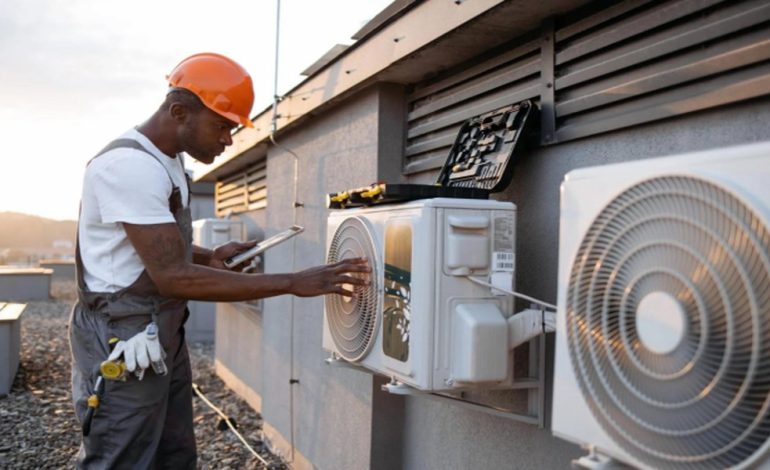

As temperatures begin to climb, many homeowners start relying heavily on their air conditioning systems to maintain a comfortable indoor environment. Yet problems often appear at the worst possible time during the hottest weeks of summer when cooling systems are under maximum strain. Preparing your home and air conditioning system before peak heat arrives can help reduce breakdowns, improve efficiency, and create a more comfortable living space throughout the season.
One of the most important early steps is arranging routine servicing and considering additional support such as HVAC maintenance in Wallace, NC alongside professional indoor air quality services to help improve airflow, reduce airborne particles, and support healthier indoor comfort during heavy summer usage.
Why Early Air Conditioning Preparation Matters
Air conditioning systems work hardest during extended periods of hot weather. If a unit has worn components, restricted airflow, low refrigerant levels, or dirty filters, these issues often become far more noticeable once temperatures rise significantly.
Preparing early offers several advantages. It allows homeowners to identify small problems before they turn into costly repairs, improves cooling performance, and helps systems operate more efficiently. Preventative care can also reduce unnecessary energy consumption, which becomes especially important during months of continuous use.
In many homes, cooling systems remain unused or lightly used during colder months. Dust accumulation, clogged filters, and neglected maintenance can quietly affect performance long before homeowners notice any obvious warning signs.
Inspect and Replace Air Filters
Air filters play a major role in both cooling performance and indoor air quality. Dirty or clogged filters restrict airflow, forcing the system to work harder to circulate cool air throughout the property.
Restricted airflow can lead to uneven cooling, increased energy bills, and additional strain on important system components. In some cases, severely blocked filters may even contribute to frozen evaporator coils or overheating issues.
Most homeowners benefit from checking filters every one to three months during warmer seasons. Homes with pets, smokers, or allergy sufferers may require more frequent replacement due to increased airborne particles. Clean filters support stronger airflow while helping maintain cleaner indoor air during periods of heavy air conditioning use.
Check Outdoor Units for Obstructions
The outdoor condenser unit is responsible for releasing heat removed from the home. When airflow around the unit becomes restricted, cooling performance often declines.
Leaves, grass clippings, weeds, and outdoor debris commonly build up around condensers over time. Trimming nearby vegetation and removing debris helps maintain proper airflow and allows the system to operate more efficiently.
Homeowners should also inspect the unit for visible damage, bent fins, or unusual noises. While basic cleaning is generally manageable, internal inspections and repairs should be left to qualified professionals.
Keeping the outdoor unit clear improves heat transfer and reduces unnecessary strain during high-demand summer conditions.
Test Cooling Performance Before Extreme Heat Arrives
Many homeowners wait until the hottest day of the year to switch on their cooling system for extended periods. Unfortunately, this often means discovering problems when repair appointments are harder to secure due to seasonal demand.
Running the system early in the season allows homeowners to monitor cooling performance before temperatures become extreme. Warning signs may include:
- Weak airflow from vents
- Warm air instead of cool air
- Unusual noises or vibrations
- Inconsistent room temperatures
- Frequent cycling on and off
- Unexpected increases in energy usage
Addressing these issues early can prevent larger mechanical failures later in the season.
Seal Air Leaks Around the Home
Even a well-maintained air conditioning system can struggle if cool air escapes through gaps and poorly sealed areas around the property.
Air leaks commonly appear around windows, doors, loft spaces, and older insulation materials. These gaps allow cooled air to escape while hot outdoor air enters the home, making the cooling system work harder to maintain indoor temperatures.
Simple improvements such as weather stripping, sealing cracks, and upgrading insulation can significantly improve overall efficiency. Better insulation also helps maintain more consistent temperatures throughout the property.
Reducing unnecessary heat transfer lowers energy costs while improving indoor comfort during prolonged summer heat.
Pay Attention to Thermostat Settings
Thermostats influence both comfort and system efficiency. Incorrect settings or outdated thermostats can lead to unnecessary cooling cycles and increased electricity consumption.
Programmable or smart thermostats allow homeowners to create cooling schedules based on daily routines. This helps reduce energy use when the home is empty while maintaining comfortable temperatures during occupied hours.
Avoid setting temperatures excessively low in an attempt to cool the house faster. Air conditioning systems cool at a steady rate, and extremely low settings often increase energy usage without improving cooling speed.
Consistent, moderate thermostat settings generally provide better comfort and efficiency over time.
Do Not Ignore Indoor Humidity
Summer discomfort is not caused by heat alone. Excess indoor humidity can make rooms feel warmer, heavier, and less comfortable even when temperatures appear reasonable.
Air conditioning systems naturally remove some humidity during operation, but poor maintenance or oversized systems may struggle to manage moisture effectively. Signs of excess humidity may include condensation, musty odours, or damp-feeling rooms.
Maintaining balanced humidity levels supports better comfort and may also help reduce mould growth and indoor air quality concerns.
Professional inspections can help identify whether humidity issues are linked to ventilation, airflow, or cooling performance problems.
Schedule Professional Maintenance Before Summer Peaks
Routine professional maintenance remains one of the most effective ways to prepare an air conditioning system for demanding summer conditions.
Technicians typically inspect electrical components, refrigerant levels, airflow, drainage systems, coils, and overall system performance. Early servicing helps identify worn parts and developing problems before they escalate into emergency breakdowns.
Peak summer often brings increased repair demand, longer wait times, and added stress for homeowners dealing with unexpected failures during extreme heat. Scheduling inspections before the busiest season provides greater peace of mind and helps ensure the system is ready for continuous operation.
Final Thoughts
Preparing your air conditioning system before peak summer heat arrives is one of the most practical steps homeowners can take to improve comfort, efficiency, and reliability throughout the warmer months. Small preventative measures such as replacing filters, sealing air leaks, testing performance early, and arranging professional servicing can make a noticeable difference once temperatures rise.
A well-maintained cooling system not only performs more effectively but also helps create a healthier and more comfortable indoor environment during the most demanding part of the year.





