
Forecasting Costs: kWh Rates vs A Solar PPA Choice
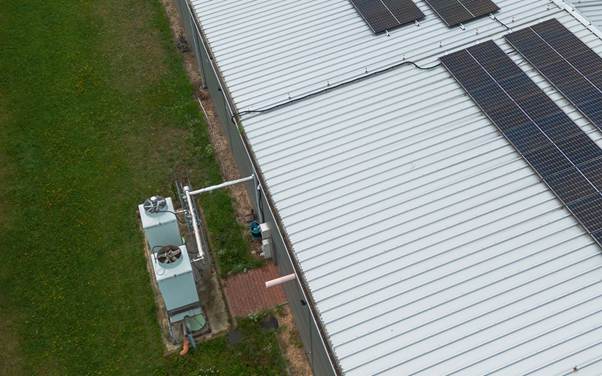

Singapore businesses want predictable energy costs without losing flexibility. Begin by mapping consumption, then compare electricity kWh rates against a roof-based solar PPA that delivers power at an agreed price per unit. When you test both paths on the same data, you see where fixed tariffs, steady bills and where a performance contract lowers the long-run average.
Build An Energy Baseline From Half-Hourly Data
Export interval data from your retailer or meter and align it with working hours, equipment cycles, and air-conditioning set points. Remove atypical weeks. A clean baseline lets you estimate the effect of efficiency upgrades before you change supply.
Translate Tariffs Into Unit Economics
Convert plan offers into cents per kilowatt-hour and pair them with standing charges. When you track electricity kWh rates this way, you can model how a change of one or two cents affects gross margin on your busiest product line.
Use A Solar PPA As A Shadow Supplier
Treat a solar PPA as if it already sits on your roof and run a shadow bill. Ask vendors for an hour-by-hour yield profile for your site, then subtract that generation from the baseline to reveal what you still buy from the grid. The exercise shows whether daytime output meaningfully displaces imported energy.
Stress-Test With Weather And Occupancy
Solar output varies with cloud cover, and cooling demand rises with wet heat. Test your model against hot, rainy, and quiet weeks to avoid over-promising. If operations expand to a second shift, confirm that the PPA still offsets the top cost periods rather than only low-load hours.
Factor Network Charges And Export Rules
Distribution fees, demand charges, and export credits change the picture. Confirm whether your tariff penalises short peaks and whether you can export excess generation at fair value. A clear view of these rules prevents surprises that erode the advantage you expected from a solar PPA.
Account For Roof And Structural Reality
Desktop models do not tell you about shading, access paths, or roof warranties. Confirm load limits, wind uplift requirements, and how panels interact with existing waterproofing. A brief engineering review prevents costly redesigns and keeps the installation eligible for insurer approval.
Plan Capex-Lite With Performance KPIs
One attraction of a solar PPA is the low upfront spend. Tie payments to verified output, response times for faults, and guaranteed availability. Add simple KPIs for cleaning intervals and inverter efficiency so production stays near forecast without the client carrying maintenance risk.
Design Controls That Make The Maths Real
Savings happen when behaviour matches the model. Install schedules that pre-cool before occupancy, align dishwasher and lift-charging windows with sunny hours, and keep set points realistic. Staff prompts and small signage help the solar window do the heavy lifting.
Contract Hygiene For Predictable Cash Flow
Keep documents practical. Note metering points, data access, and who issues the monthly generation file. Cap escalation formulas, define early-termination paths, and link settlement to meter evidence rather than estimates. These habits turn projected savings into bankable outcomes.
Monitor And Verify With Open Data
After go-live, publish generation and use data to a simple dashboard that the finance team and operations can both read. Reconcile the PPA invoice to meter pulses each month, then investigate gaps quickly. Transparent measurement sustains trust and helps future sites copy what worked.
Blend Hedging With Efficiency
Treat supply choice as one lever among many. LED retrofits, variable-speed drives, and tighter chiller controls cut the volume exposed to electricity kWh rates before you negotiate. When usage falls and daytime load shifts, the remaining grid bill becomes easier to hedge at sensible prices.
Conclusion
The best decision is the one you can operate. Build a baseline, price power in a single unit, and run a shadow bill that treats a solar PPA like a live asset. With stress tests, tidy contracts, and clear KPIs, you gain steadier costs and a roadmap for upgrades that pay their way.
For a data-led comparison, site-ready modelling, and contract guidance tailored to your operations, contact Flo Energy Singapore.





