
Crafting Texture and Detail: The Growing Popularity of Stone Veneer in Chicago Homes
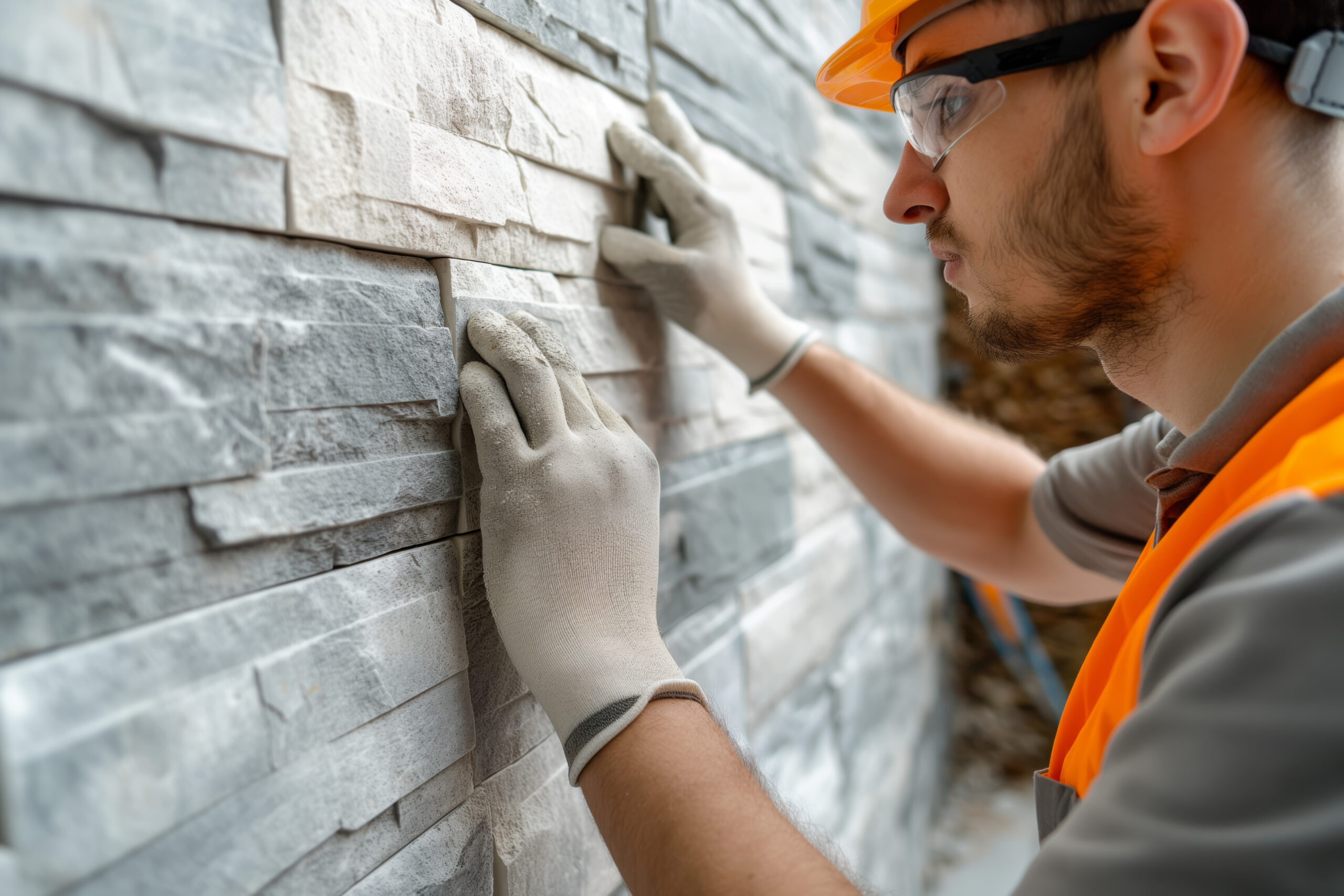

Chicago homeowners are leaning into tactile surfaces and nuanced finishes, and stone veneer is stepping into the spotlight as a smart way to achieve depth without the weight or cost of full-thickness stone. Designers are pairing natural-looking profiles with contemporary lines, creating rooms that feel both rooted and current. As 2025 brings new materials and installation methods, the pace of renovation is speeding up while craftsmanship remains central. Whether you’re in a Lakeview walk-up or a West Loop loft, the right installer can make stone look effortless. From initial concept to final wash of light across a textured wall, HX Home Solutions is helping many homeowners navigate the options with confidence, often collaborating with a seasoned Stone Veneer Contractor Chicago to ensure high-performing, beautiful results.
2025’s Top Textured Stone Styles Transforming Chicago Interiors
Texture is defining Chicago interiors this year, and thin stone profiles are leading the change. Split-face quartzite and chiseled limestone are popular for their dramatic shadows, while honed basalt and softly tumbled marble round out quieter, refined palettes. Designers are also favoring elongated modules and linear coursing, which visually stretch smaller rooms and turn fireplaces into sculptural focal points. In kitchens and baths, low-relief panels with subtle striations are replacing glossy backsplashes and sterile surrounds. Working with a trusted Stone Veneer Contractor Chicago ensures these textures align with lighting and sightlines, so the stone’s movement reads clearly in natural and artificial light.
Where texture meets function
A standout 2025 trend is the blend of ultra-thin veneers with precision milling—micro-fluted patterns and ribbed limestone that create rhythm without overpowering a room. These profiles diffuse light and help mask minor imperfections in older walls, making them ideal for vintage condos and bungalows. Designers are also introducing warm taupes and cream-laced grays, softening the cooler palettes that dominated past seasons, and pairing them with matte black fixtures for contrast. Thoughtful transitions matter: tight mitered corners, recessed reveals, and shadow gaps keep the look modern and intentional. The result is a tactile canvas that elevates everyday spaces, particularly when installers coordinate joint size, grout tone, and edge terminations as carefully as they select the stone itself.
How Lightweight Veneers Simplify Urban Remodeling Projects
Urban renovations bring unique constraints—narrow stairwells, limited freight elevator access, and strict building schedules—all of which favor lightweight veneers. Because these systems put less stress on structures, they often eliminate the need for reinforcement, which can derail timelines in older buildings. Panels arrive pre-sorted and cut-ready, reducing staging space and the noise that travels through shared walls. Contractors can stage smaller batches and work in shorter windows, accommodating HOA rules and weekday construction curfews without sacrificing productivity. A knowledgeable Stone Veneer Contractor Chicago will plan logistics around delivery windows and dust control, keeping neighbors and property managers on board from day one.
Smarter systems, faster schedules
Modern clip-and-rail rainscreen assemblies and calibrated thin-stone tiles streamline installation by standardizing coursing, alignment, and drainage. That means fewer onsite decisions, fewer layout surprises, and faster progress in tight quarters. Dustless saws and wet-cut stations minimize mess, and pre-primed backer boards help crews move from substrate to finish rapidly. With coordinated sequencing—substrate, moisture barrier, panel set, pointing, and final sealing—installers can turn around feature walls or fireplace surrounds in days, not weeks. Homeowners see less disruption, and project teams can stack trades efficiently, especially when attic or balcony access limits material handling in dense neighborhoods.
The Cost Advantage of Veneer Over Traditional Masonry
Thin stone veneer delivers the look and longevity of natural stone with a leaner budget profile. Because veneers weigh a fraction of full-depth masonry, they cut down on structural upgrades, foundation work, and heavy equipment—all major cost drivers. Labor hours shrink too: installers move faster with manageable modules instead of full-thickness blocks, reducing scaffolding time and staging complexity. Material waste also drops when crews work from calibrated sets that require minimal trimming. When you add it up, the savings come from both direct costs and the intangible value of a shorter schedule.
Where the real savings come from
Homeowners often see the biggest returns in reduced labor and simplified logistics rather than the sticker price of the stone itself. Veneer projects typically require fewer trades onsite simultaneously, lowering coordination overhead and change-order risk. Maintenance remains straightforward: periodic sealing, simple mortar touch-ups, and quick panel repairs replace the more involved tuckpointing full masonry often needs. Energy performance can even improve when veneers are paired with continuous insulation and ventilated assemblies. For transparency and planning, HX Home Solutions provides detailed scopes that break out labor, materials, and phasing so clients can compare veneer options to traditional masonry line by line.
Combining Stone with Metal and Wood for Balanced Design
Mixed-material compositions are redefining balance in Chicago homes, with stone bringing gravitas while metals and woods introduce warmth and precision. Blackened steel reveals frame textured limestone to create crisp shadow lines, and brushed nickel trims sharpen the edges of softer travertine. Designers are pairing wire-brushed white oak with cool gray quartzite to keep rooms grounded yet airy. The key is modulation: letting stone carry the focal point while metals punctuate and woods soften. This approach scales from a single fireplace wall to full living room wraps, with the detailing deciding whether the look is modern or transitional.
Layering materials without visual clutter
Successful combinations rely on consistent joint language and aligned proportions across materials. A 1/4-inch reveal used in stone can repeat in metal and wood, visually stitching surfaces together. Finish sheen matters too: a matte sealer on stone complements the satin of oiled oak, while a low-gloss metal avoids glare that could flatten the stone’s texture. Designers often step returns or notch shelves into the stone plane to make millwork feel integrated rather than applied. With coordinated shop drawings and clear tolerances, teams like HX Home Solutions can execute these intersections cleanly, ensuring the final assembly reads as a cohesive whole rather than a collage of parts.
Fire-Resistant and Weatherproof Innovations in Stone Veneer
Chicago’s climate and building codes keep performance at the center of material choices, and today’s stone veneer systems are engineered to meet those demands. Natural stone is noncombustible, and many assemblies carry Class A fire ratings when tested as a system, making them a secure option for multi-unit buildings and high-traffic spaces. Behind the surface, improved moisture barriers and ventilated cavities combat wind-driven rain and freeze-thaw cycles common along the lakefront. Polymer-modified mortars and flexible joints reduce cracking as buildings settle, preserving clean lines and tight corners. It’s a quiet improvement that pays dividends during abrupt temperature swings and long winters.
Details that protect your investment
Weatherproof performance is largely determined by what you don’t see: flashing, drainage paths, and breathable layers that let moisture exit while keeping water out. Installers are using stainless-steel fasteners, corrosion-resistant anchors, and integrated weep systems to maintain integrity over time. On interior fireplaces, heat-rated adhesives and proper clearances protect both the veneer and the assembly behind it. Exterior installations benefit from UV-stable sealers and smart transitions to window heads and sills, where water management is most critical. A seasoned crew will test and document these layers, ensuring warranties hold and the stone’s appearance remains sharp for years.
The Growing Demand for Sustainable, Locally Sourced Materials
Sustainability is shifting from preference to expectation, and thin stone veneer fits the moment by reducing embodied carbon without sacrificing authenticity. Because veneers use less material and weigh less, they demand fewer transport emissions from quarry to jobsite. Chicago homeowners are requesting regional stones—Indiana limestone, Wisconsin dolomite, and Midwestern granites—that shorten shipping distances while harmonizing with the city’s architectural heritage. Recycled-content backer boards and low-VOC sealers round out assemblies that perform well and support healthier interiors. Choosing a Stone Veneer Contractor Chicago who understands sourcing helps align aesthetics with environmental goals.
Responsible choices that still look great
Designers are pairing thin veneer with high-efficiency envelopes, marrying the visual permanence of stone with the performance of modern building science. Rainscreen cavities improve durability and lessen repair cycles, an often overlooked sustainability win because the most eco-friendly assembly is the one that lasts. Thoughtful offcut management—planning module sizes to minimize waste—keeps more stone in the finished project and less in the dumpster. Documentation matters too: quarry certifications, chain-of-custody records, and data sheets on adhesives and sealers make it easier to pursue incentives or meet green building targets. Near the end of a project, teams like HX Home Solutions can provide closeout packages that capture these details, ensuring the home’s story includes both craftsmanship and conscientious sourcing—an approach increasingly requested by homeowners working with a Stone Veneer Contractor Chicago on long-term, value-driven renovations.





