Concrete vs Asphalt Driveways: Which Is Better for Your Property?
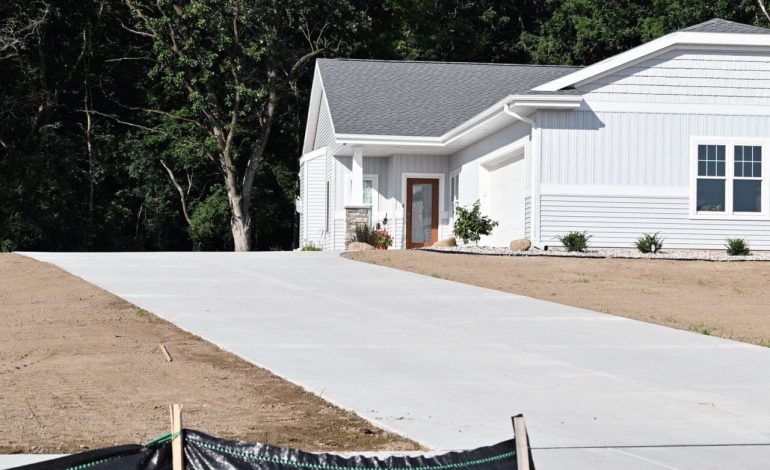

Choosing the right driveway material is an important decision for homeowners looking to balance durability, appearance, and long-term value. Two of the most common options are concrete and asphalt, each offering unique advantages depending on your needs and budget. Because the driveway plays a significant role in curb appeal and daily functionality, selecting the right material can have a lasting impact on your property. Many homeowners ultimately choose a professionally installed concrete driveway because of its strength, longevity, and visual appeal.
Durability and Lifespan
One of the most significant differences between concrete and asphalt driveways is how long they last. Concrete driveways are known for their exceptional durability and can last 30 years or more when properly installed and maintained. The material is strong enough to handle heavy vehicles, changing weather conditions, and regular wear.
Asphalt driveways typically have a shorter lifespan, usually lasting between 15 and 20 years before major repairs or replacement are needed. While asphalt can be durable when maintained properly, it tends to break down faster due to exposure to sunlight, moisture, and temperature fluctuations.
Appearance and Curb Appeal
Curb appeal plays a major role in the overall impression your home makes. Concrete driveways generally offer a brighter, cleaner appearance that complements many architectural styles. Homeowners can also customize their driveway using decorative finishes such as stamping, staining, or exposed aggregate.
Asphalt driveways have a darker appearance and a more uniform look, which may work well for some properties but offers fewer decorative options. Over time, asphalt can fade from black to gray and may develop visible patches after repairs.
Maintenance Requirements
Maintenance is another important factor when comparing driveway materials. Concrete driveways require relatively little upkeep. Occasional cleaning and sealing every few years help maintain the surface and protect against stains or moisture damage. This makes concrete a convenient option for homeowners who prefer low-maintenance exterior features.
Asphalt driveways generally require more frequent maintenance. They typically need to be resealed every few years to protect the surface from cracking and deterioration. Without regular sealing, asphalt can develop potholes, cracks, and surface damage more quickly.
Installation Process
The installation process differs slightly between the two materials. Concrete driveway installation requires careful preparation, including excavation, a compacted base, and precise pouring techniques. After the concrete is placed, it must cure properly before it can handle vehicle traffic.
Asphalt driveways can usually be installed more quickly and may be ready for use sooner. However, the faster installation timeline does not necessarily translate to a longer-lasting surface. Many homeowners choose concrete because the longer curing process results in a stronger and more durable driveway.
Weather Resistance
Climate can influence which driveway material performs best. Asphalt tends to perform well in colder climates because it can expand and contract more easily during freeze-thaw cycles. However, it may soften in extremely hot weather, which can lead to surface deformation.
A properly installed concrete driveway performs well in most climates when designed with proper expansion joints and drainage. With correct installation techniques, concrete can resist temperature changes while maintaining its structural strength and appearance.
Cost Considerations
The upfront cost of asphalt is typically lower than concrete, which is why some homeowners initially choose it. However, the long-term costs often tell a different story. Because asphalt requires more frequent maintenance and may need replacement sooner, its lifetime cost can be higher.
Concrete may require a higher initial investment, but its longevity and lower maintenance requirements often make it more cost-effective over time. For homeowners planning to stay in their homes for many years, concrete frequently proves to be the better financial choice.
Environmental Factors
Concrete also offers environmental advantages. Its lighter color reflects sunlight rather than absorbing heat, which can help reduce surface temperatures around your home. Additionally, concrete driveways typically last longer than asphalt, resulting in fewer replacements and less construction waste.
Asphalt, on the other hand, absorbs more heat and may contribute to higher surface temperatures during hot weather. While it is recyclable, its shorter lifespan means it may need to be replaced more frequently.
Choosing the Right Concrete Driveway Company
The quality of the installation plays a crucial role in how well a driveway performs over time. Hiring an experienced concrete driveway company ensures the project is completed with proper grading, base preparation, and finishing techniques. These steps help prevent premature cracking and ensure the driveway remains strong for decades.
Professional contractors can also help homeowners explore decorative options that enhance curb appeal while maintaining the durability of the driveway.
Making the Right Choice for Your Home
Both concrete and asphalt driveways offer benefits, but concrete often stands out for homeowners seeking durability, aesthetics, and long-term value. Its strength, low maintenance requirements, and design flexibility make it a reliable solution for residential properties. For homeowners looking to enhance curb appeal and invest in a driveway that will stand the test of time, a professionally installed concrete driveway is often the better choice.