Build to Last: Crafting the Perfect Tanning Ledge Pool for Style and Durability
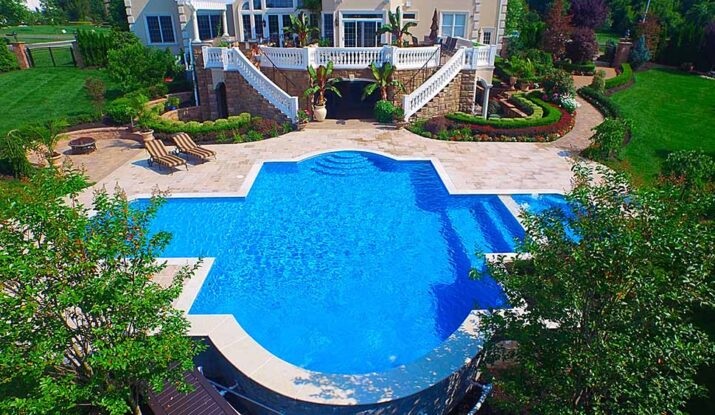

Modern backyards have modest tanning ledge pools for leisure, sunbathing, and mingling. A sunbathing ledge at the pool’s entrance lets bathers soak up the sun without immersing. To ensure a tanning ledge pool’s durability and aesthetic appeal, choose the proper materials and use effective building methods. This article discusses the finest materials and procedures for building a long-lasting tanning ledge pool.
Selection of Materials
Construction of a tanning ledge pool begins with material selection. Concrete is most popular because of its strength and adaptability. Concrete may resist cracking and weathering when properly mixed and finished. Homeowners also pick gunite, a strong, flexible shell made of dry-mixed concrete sprayed with water. This offers complicated forms and designs to improve the pool’s beauty.
Stone, porcelain, or aggregate finishes can make the tanning ledge attractive and slip-resistant. Travertine, a cool, beautiful stone, is comfortable for barefoot walking. The sturdy and customizable porcelain tiles are available in many colors and styles. Durable aggregate finishes made of small stones or recyclable materials have unique textures. Going for the swimming pool contractors birmingham is the right idea here.
Good Construction Methods
A tanning ledge pool’s endurance depends on proper construction. To avoid settling, the foundation must be solid. To prevent water gathering beneath the pool, site preparation must include removing organic debris and ensuring good drainage. After laying the base, utilizing reinforced steel rebar when pouring concrete or gunite strengthens the ledge.
High-quality waterproofing membranes are also crucial. Even the greatest materials might fail if water gets into fractures or weak seams. During construction, waterproofing layers protect the pool shell from leaks, moisture, and structural degradation. During construction, heating and lighting can be added to make the pool more comfortable and usable year-round.
Maintenance and Longevity
It is necessary to perform routine maintenance on the tanning ledge pool after it has been constructed. Homeowners should perform routine inspections to look for cracks and surface fading and then repair them if they find them. The protection of surface materials is ensured by keeping the pool clean and maintaining the pH balance. Through the use of pool covers during the off-season, the tanning ledge is shielded from severe weather, which significantly extends its longevity and improves its attractiveness.
Conclusion
It is necessary to make thoughtful decisions regarding the materials and design of a tanning ledge pool. The use of high-quality concrete, natural stones, or porcelain tiles, along with the application of the appropriate foundation and waterproofing, can help homeowners keep their outdoor space looking beautiful and in good condition. The maintenance of a tanning ledge pool can transform any backyard into a beautiful retreat that can be enjoyed for many years. A carefully constructed tanning ledge pool is an investment that is both beautiful and long-lasting, and it can be used for either relaxing or entertaining.