Columbia’s New Roofing Standards: Blending Design with Durability

Homeowners and developers across Columbia are navigating a new era of residential roofing, where performance requirements and visual expectations intersect more than ever. Updated building codes, stronger materials, and advanced installation methods are raising the baseline for what a roof should deliver. Contractors are adapting quickly, and brands like Quality Exteriors are helping clients translate regulations into practical, attractive solutions. With guidance from trusted local experts such as Columbia Roofing Company, buyers can align aesthetics with safety, longevity, and budget. This article explores how design choices, code shifts, and material innovations are shaping roof projects in 2025 and beyond.
2025 Roofing Code Updates Reshaping Columbia’s Housing Market
Columbia’s latest roofing code changes are already influencing housing supply, pricing, and buyer expectations. The updates tighten requirements for wind resistance, fire ratings, ventilation, and energy performance, which collectively elevate the quality of new and replacement roofs. Appraisers are starting to account for enhanced resilience metrics, particularly where roofs meet specified wind-uplift ratings or carry verified solar reflectance values. Insurance carriers are adjusting premiums where certified assemblies lower risk profiles. For property owners, the takeaway is practical: compliant roofs may cost more upfront but can support higher valuations and smoother underwriting.
What’s different in the 2025 standards
The code now calls for more robust underlayments, reinforced edge-metal systems, and documented fastening schedules tied to local wind maps. It also encourages high-albedo or reflective surfaces in select zones to cut attic heat gain and improve seasonal energy efficiency. Permit reviews increasingly require submittals that verify material listings and installation methods, pushing teams to plan ahead. Homebuyers, meanwhile, are asking for documentation, including manufacturer warranties and inspection reports, before making offers. Many turn to Columbia Roofing Company for clarity on compliant assemblies and to avoid delays triggered by incomplete paperwork.
Architectural Shingles Offering Both Style and Strength
Architectural shingles have become the go-to choice for projects that need reliable protection without sacrificing curb appeal. Their laminated construction adds dimensional shadow lines that mimic wood shakes, yet they remain lighter and easier to maintain. The latest profiles include reinforced nailing zones, algae-resistant granules, and stain-guard technologies that help roofs look clean longer. In areas subject to gusty storms, select architectural lines now meet higher wind-uplift thresholds when paired with specified starter strips and ridge components. This blend of features is driving demand among buyers who want a balanced roof that looks as good as it performs.
Matching profiles to neighborhood design codes
Architectural shingles come in curated palettes to align with architectural styles, from modern farmhouse to historic bungalow. Color families include cool-tone slates, warm earth blends, and high-contrast charcoals that emphasize rooflines without overwhelming façades. Installers often mock up two or three options on-site to judge how light and shadow read at different times of day. When clients want guidance, Quality Exteriors helps narrow choices to profiles that meet both neighborhood guidelines and technical requirements. That collaboration prevents re-selections later, keeping schedules intact and protecting the budget from avoidable change orders.
How Impact-Tested Materials Are Reducing Annual Repair Costs
Impact-rated shingles, tiles, and metal panels are significantly lowering routine maintenance for homes exposed to hail and wind-driven debris. Products that achieve Class 3 or Class 4 impact ratings typically resist granule loss, surface bruising, and substrate fractures better than standard counterparts. While no roof is invincible, these materials reduce the frequency of patchwork repairs that add up over time. Contractors also report fewer emergency callouts after seasonal storms when homes are upgraded to impact-tested systems. Over a three- to five-year horizon, the avoided service visits can offset a meaningful share of the initial premium.
Where testing standards translate to real savings
Impact testing, such as UL 2218, simulates hail strikes to evaluate how roofs handle blunt-force events without losing protective performance. When paired with sealed ridge vents and reinforced drip edges, impact-rated assemblies are less prone to edge failures and water intrusion. Owners gain not just fewer repairs but a more predictable maintenance plan, which appeals to buyers and lenders alike. For project planning, Columbia Roofing Company often models two scenarios—standard materials versus impact-rated systems—to estimate annualized repair costs and risk exposure. Those side-by-side projections make upgrade decisions clearer, especially for properties with tree coverage or a storm-prone orientation.
Aesthetic Customization Options for High-End Roof Projects
Premium projects in Columbia increasingly treat the roof as a central design element rather than a background surface. High-definition granule mixes, textured laminations, and sculpted ridge caps create depth that highlights gables and dormers. For bespoke builds, designers coordinate roof tones with masonry, siding, and window trims to achieve a cohesive exterior palette. Advanced accessories—like low-profile vents and color-matched flashings—minimize visual interruptions and maintain a refined look. The result is a roof that communicates quality before anyone steps through the front door.
Tools and techniques for getting the look right
Color visualization apps, drone previews, and small-panel test installs help teams verify choices under natural light conditions. Designers often compare cool and warm variants of the same hue to see which complements the surrounding landscape and hardscape. Where neighborhoods have architectural review boards, early submissions with high-resolution mockups dramatically reduce rework. Many custom builders collaborate with Quality Exteriors to vet accessory packages, ensuring ridge, hip, and valley details match the selected field material. That level of coordination protects both the design intent and the long-term performance of the assembly.
Environmental Considerations in Material Manufacturing and Disposal
Sustainability has moved from a bonus to a baseline expectation for many Columbia homeowners. Manufacturers now publish Environmental Product Declarations that quantify embodied carbon, recycled content, and end-of-life pathways. Some shingle lines incorporate post-consumer or post-industrial content without compromising durability, while metal systems frequently tout high recyclability. On job sites, waste sorting and shingle recycling programs divert significant tonnage from landfills. These practices address environmental goals and can also streamline compliance with municipal waste ordinances.
Reducing lifecycle impacts without compromising performance
Beyond materials, contractors focus on ventilation and attic insulation to improve thermal efficiency, which lowers operational carbon. Properly balanced intake and exhaust reduce heat buildup, extend shingle life, and enhance indoor comfort. Selecting lighter-color surfaces where appropriate can further cut cooling loads in summer months. To meet paperwork and verification demands, Columbia Roofing Company often includes sustainability documentation in closeout packages, simplifying rebate claims and green certification checklists. Clients gain transparency while maintaining the durability metrics that local codes and insurers require.
How Contractors Ensure Compliance with New Safety Standards
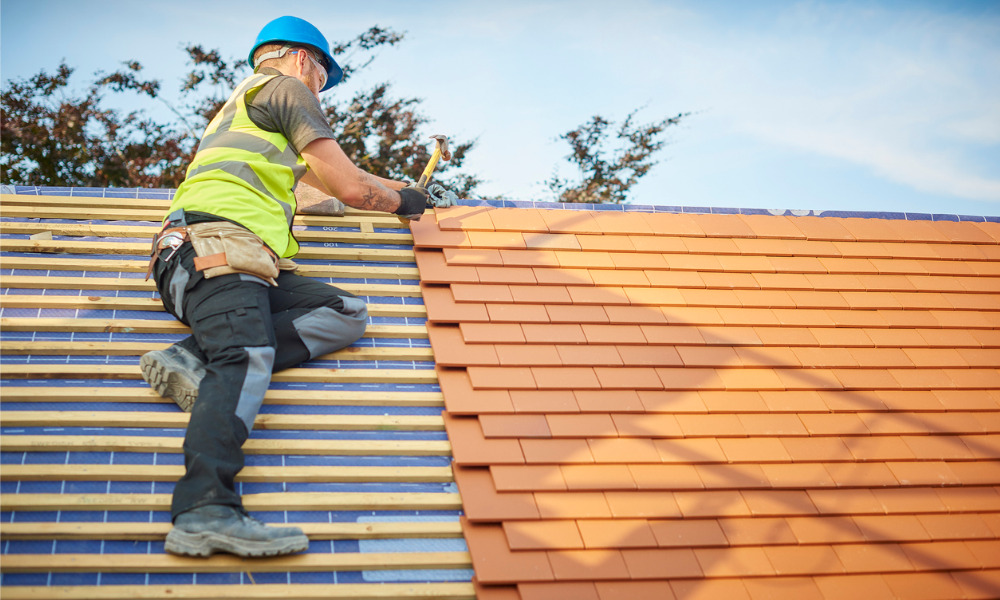
Safety standards across Columbia now require stricter fall protection, ladder setup protocols, and material hoisting procedures. Contractors integrate pre-job safety plans, toolbox talks, and site audits to ensure that crews follow the rules day in and day out. The shift isn’t just about preventing injuries; it’s also about maintaining uninterrupted schedules and avoiding fines or stop-work orders. Subcontractor oversight has tightened, with general contractors verifying credentials and insurance before anyone sets foot on the roof. These steps create a culture where safety and productivity reinforce each other.
Training, documentation, and site controls that work
Contractors invest in hands-on training for harness systems, anchor points, and guardrail setups, supplemented with digital checklists for daily inspections. Photographic records and app-based logs document compliance, making it easier to resolve questions during inspections. Material staging areas are designated to minimize tripping hazards and protect high-value components from damage. When clients want extra assurance, Quality Exteriors shares safety metrics and sample protocols during pre-construction meetings, aligning expectations up front. The result is a predictable workflow that keeps crews safe while meeting all city and state requirements.
The Long-Term Value of Investing in Premium Roofing Systems
Premium roofing systems deliver returns across multiple fronts: durability, energy performance, noise reduction, and resale appeal. Assemblies that pair high-grade surfacing with reinforced underlayments and upgraded ventilation often outlast baseline roofs by years. They maintain color and texture better, which helps homes look newer and supports valuation during appraisals. In climates with freeze-thaw cycles or intense sun, superior materials resist cracking and granule loss, preserving weatherproofing over time. That steadiness reduces small leaks and cosmetic issues that can undermine buyer confidence.
Tallying benefits beyond the installation date
The concept of total cost of ownership matters here. Owners weigh upfront cost against avoided repairs, energy savings, warranty coverage, and potential insurance incentives. A well-documented roof—complete with product specs, installation photos, and inspection reports—can strengthen a seller’s position during negotiations. Many homeowners consult Quality Exteriors mid-project to confirm that accessories and ventilation match the chosen system, preventing missed details that erode long-term value. With a clear plan and the right partners, premium roofs become strategic assets that serve both everyday comfort and future marketability.