5 Upgrades That Keep Your Home Running Smoothly During Emergencies

When the unexpected strikes, your home is your sanctuary. Natural disasters, power grid failures, and other emergencies can disrupt daily life in an instant. While we can’t predict every event, we can certainly prepare for them. Taking proactive steps to upgrade your home ensures your family remains safe, comfortable, and connected, no matter what happens outside.
Here, we’ll share strategic upgrades that provide peace of mind and transform your house into a reliable haven during a crisis. Let’s dive into them!
Install a Generator for a Backup Power Source
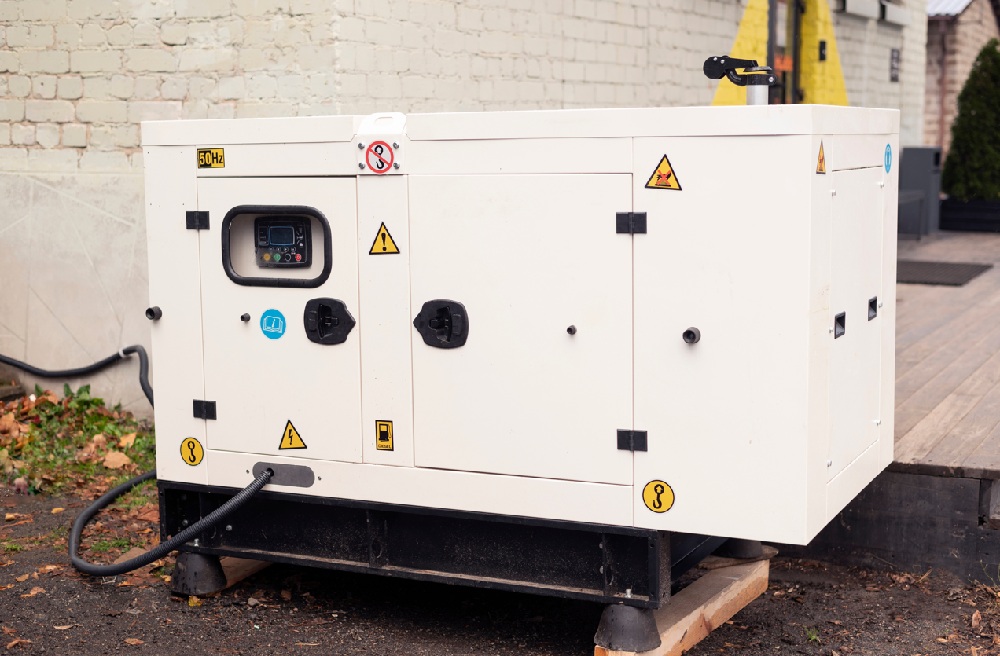
A power outage can bring your entire household to a standstill. Refrigerators stop running, lights go out, and communication devices lose their charge. A backup generator is one of the most critical upgrades for emergency preparedness. It provides a seamless flow of electricity to power essential appliances like your furnace, well pump, and medical equipment. While portable generators are a good starting point, a whole-home standby generator offers the ultimate solution. Generator units automatically turn on the moment an outage is detected, ensuring your home’s vital systems continue to operate without interruption.
For a safe and effective setup, it is crucial to consider professional installation. Investing in generator installation services offered by professionals like All Phase Electric Service guarantees your system is integrated correctly and safely, providing dependable power when you need it most. Experts have the experience and knowledge to properly size the generator for your home’s needs, manage the complex connection to your electrical panel, and ensure the entire setup complies with crucial safety regulations.
Secure an Independent Water Storage Tank
Access to clean water is non-negotiable for drinking, sanitation, and cooking. Unfortunately, public water systems can become compromised or shut down entirely during a major emergency. Stockpiling bottled water is a short-term solution, but a long-term disruption requires a more substantial plan. A dedicated water storage tank ensures your family has an ample supply of safe water for days or even weeks. These tanks can be filled with potable water and kept ready for any situation.
Vertical water storage tanks, like those from USA Tank, are designed to maximize capacity while minimizing their footprint, making them a practical choice for many residential properties. This type of tank is typically made from durable materials that block sunlight, which is essential for preventing algae growth. As a result, the water inside remains clean and potable for long-term storage, providing a reliable source for your family’s hydration and sanitation needs. Ultimately, having a separate water tank on your property is a foundational step toward true self-sufficiency and peace of mind.
Enhance Your Home’s Communication Capabilities
When a disaster hits, communication is key. Cell towers can become overloaded or damaged, and internet services can go down, cutting you off from emergency alerts and contact with loved ones. Upgrading your home’s communication tools is essential for staying informed and connected. A hand-crank or battery-powered NOAA weather radio is a vital first step, providing direct access to official broadcasts and alerts from the National Weather Service.
For more robust communication, consider a satellite phone or a two-way radio system, which operates independently of cellular networks. Another practical upgrade is a cell signal booster, which can amplify a weak signal and potentially provide a connection when others have none. These devices ensure you can receive critical updates and reach out for help even when standard lines of communication fail.
Reinforce Your Home’s Structural Defenses
Your home’s first line of defense against severe weather is its own structure. High winds, heavy snow, and seismic activity can pose a significant threat to your property and your family’s safety. Investing in structural reinforcements can make a world of difference. Depending on your region’s specific risks, this could mean installing impact-resistant windows or storm shutters to protect against flying debris during a hurricane.
In earthquake-prone areas, seismic retrofitting, such as bolting the house to its foundation, can prevent catastrophic damage. Even simpler upgrades, like reinforcing your garage door, which is often a weak point, can significantly improve your home’s ability to withstand extreme forces. These proactive measures strengthen your home’s envelope, preserving its integrity and creating a safer space for your family to shelter.
Implement an Off-Grid Heating and Cooling Plan
A prolonged power outage during extreme weather can create dangerously hot or cold conditions inside your home. Your standard HVAC system relies on electricity, leaving you vulnerable when the grid goes down. Establishing an off-grid heating and cooling plan is crucial for maintaining a safe and livable temperature. For cold climates, a wood-burning stove or a professionally installed propane fireplace can provide reliable heat without electricity.
In addition, ensure you have a safe fuel supply and proper ventilation to prevent fire and carbon monoxide hazards. In hot climates, focus on passive cooling strategies. Installing thermal curtains, applying reflective film to windows, and creating a cross-breeze can help keep your home cooler. A battery-powered fan can also offer significant relief. Having these non-electric climate control options ready ensures your family’s well-being during a weather emergency.
By investing in these thoughtful upgrades, you are not just improving your property; you are building a foundation of resilience. This preparation provides the confidence and security needed to face any challenge, ensuring your home remains a smooth-running and safe haven for your family.