Why F&B Interior Design in Singapore Speaks Louder Than Menus
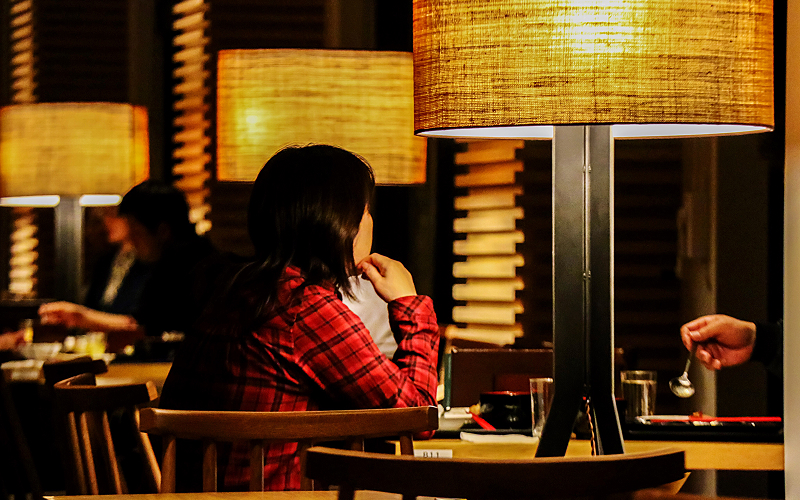

Step into any trendy café or modern bistro in Singapore, and you’ll notice something beyond the aroma of good food: the ambience. There’s a reason you linger longer at some places and avoid others after one visit. With today’s consumers expecting more than just a great meal, F&B interior design in Singapore is rewriting how eateries survive and thrive.
Dining is about being seen, sharing experiences, and connecting with a space that feels authentic. For that, restaurants turn to a commercial interior designer who translates brand essence into bricks, mortar, wood, and light.
The Evolution of Restaurant Design in Singapore
Singapore’s earliest eateries prized function over form. Interiors were utilitarian, not expressive. Fast-forward to today’s Instagram-driven culture, and every corner needs to earn its screen time. Aesthetics now equals marketing, and that means interiors can no longer be an afterthought.
In the present day, cafés and restaurants distinguish themselves through carefully crafted layouts, immersive themes, and emotionally resonant palettes. Think textured walls, soft lighting, acoustic zoning, and design elements that encourage browsing, lounging, or high-turnover dining, depending on the concept.
Looking ahead, the trend leans towards adaptive design. Smart seating that adjusts to party size, AI-led ambience control, and modular spaces for pop-ups are just the beginning. The F&B industry in Singapore will increasingly rely on interiors as a core business strategy.
What It Takes to Get it Right
If you think anyone with Pinterest and a Pinterest board can be a commercial interior designer, think again. True mastery comes from years of learning how spaces breathe, flow, and flex, especially in high-traffic F&B settings.
A seasoned designer knows that lighting influences appetite, that a narrow corridor can stall service, and that acoustics change mood. They consider the operational challenges faced by service staff: from where dishes are plated to how they’re cleared. The ideal design is not a compromise between beauty and function, but a union of both.
Compare a first-time café owner trying DIY design to one guided by an experienced professional. The former may create an aesthetically pleasing space that becomes unworkable during the lunch rush. The latter ensures the cashier has elbow room, the waitstaff never collides at the kitchen pass, and every inch earns its keep. It’s this level of planning that transforms a venue from “nice looking” to profit-generating.
Commonly Overlooked Details That Make or Break a Space
When it comes to F&B interior design in Singapore, the devil is truly in the details. You might spend weeks choosing the perfect bar stool. But if your lighting casts unflattering shadows on your food, you’re losing customers without realising it.
Consider sound. An echoing space with clanging cutlery might be trendy visually, but intolerable acoustically. Similarly, temperature control is critical. No diner wants a seat directly under an air-conditioning vent. And let’s not forget about accessibility. An inclusive space welcomes all patrons, but seamless wheelchair navigation, readable signage, and intuitive circulation pathways need to be baked into the initial design.
Other commonly forgotten elements? Storage. Where do staff stash extra menus, or do delivery riders wait during rush hour? These aren’t just “back-of-house” concerns. They impact the front-of-house experience. A well-versed commercial interior designer ensures these issues are pre-empted, not solved after opening.
From Niche to Necessity
There’s a reason the phrase “you eat with your eyes first” exists. In Singapore’s competitive F&B market, interior design is a survival. With rising rental costs and increasingly picky diners, owners can’t afford design missteps. An underperforming layout, confusing signage, or an uncomfortable seat can lead to missed revenue and poor reviews.
Smart design nudges customer behaviour. For instance, bright, open seating arrangements in a fast-food setting encourage quick turnover. Plush booths and dimmed lights invite long conversations in a fine-dining space.
Colours affect mood and appetite, like how red stimulates hunger, and green communicates freshness. Layout can drive spontaneous orders or hinder them. Every detail contributes to the psychology of eating.
When Design Does the Talking
At its core, good design feels invisible. It quietly supports the customer journey from arrival to checkout. In Singapore, where the F&B landscape is constantly evolving, hiring a thoughtful commercial interior designer is no longer optional. It’s a business decision with long-term returns. Whether you’re revamping a hole-in-the-wall café or launching a flagship concept in a mall, the right interior decisions can elevate your brand, increase operational flow, and, ultimately, keep diners coming back not just for the food, but for the space itself.
Your walls are whispering something. Are they saying the right thing? Speak with Interea today and turn your space into a story your diners won’t forget.