Identifying Navy Condo Asbestos Contamination
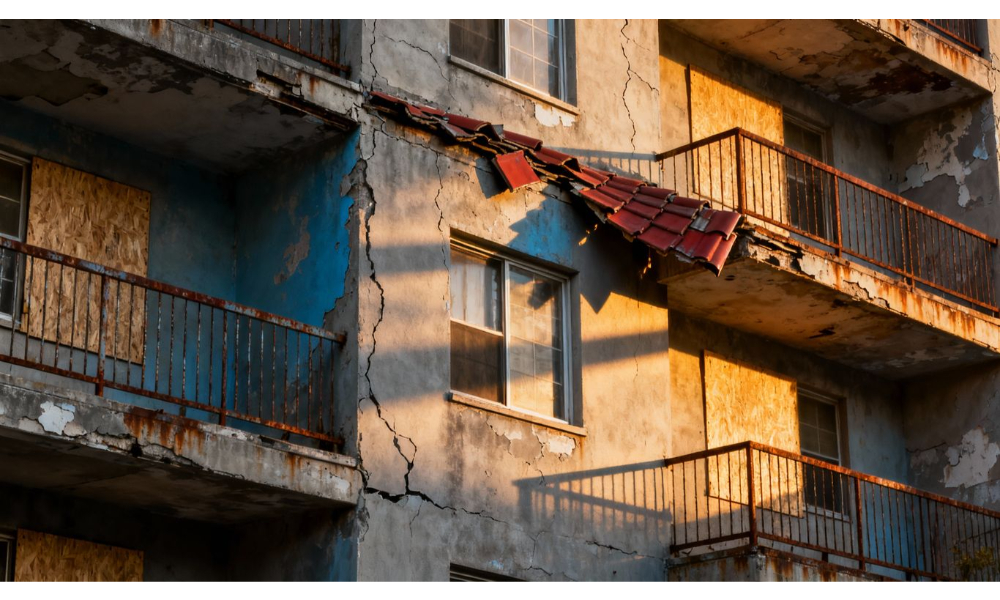

Older Navy housing, including condominiums, can sometimes contain asbestos. This material was widely used in construction for decades because it’s fire-resistant and a good insulator. However, we now know it’s very dangerous when its fibers get into the air and are breathed in. Identifying potential asbestos contamination is the first step in protecting yourself and your family.
Common Asbestos-Containing Materials in Older Navy Housing
Many building products used in homes built before the 1980s might have asbestos. If you live in an older Navy condo, you might find it in:
- Insulation: Especially around pipes, boilers, and attics.
- Flooring: Vinyl tiles and the adhesive used to stick them down.
- Ceiling tiles: Many textured or acoustic ceiling tiles contained asbestos.
- Textured paints and coatings: Like popcorn ceilings.
- Roofing and siding materials: Shingles and cement boards.
- Gaskets and seals: In older appliances or heating systems.
Recognizing the Signs of Disturbed Asbestos
Asbestos is usually safe when it’s undisturbed and contained within a material. The danger comes when these materials are damaged, cut, drilled, or start to crumble. Signs that asbestos might have been disturbed include:
- Visible damage: Cracks, tears, or crumbling in materials like ceiling tiles, insulation, or flooring.
- Recent renovations or repairs: Work done on older parts of the building without proper asbestos precautions can release fibers.
- Dusty conditions: If you notice unusual amounts of dust, especially after work has been done, it’s worth investigating.
- Water damage: Leaks can cause materials containing asbestos to break down.
The Silent Threat: Understanding Asbestos Exposure Pathways
Asbestos exposure doesn’t usually have immediate symptoms, which is why it’s called a silent threat. The danger lies in inhaling microscopic asbestos fibers that become airborne. These fibers can travel through the air and settle on surfaces, or be inhaled directly.
Here’s how exposure can happen in a condo setting:
- During maintenance or repairs: If building staff or contractors disturb asbestos-containing materials without proper safety measures, fibers can be released into the air. This is especially a risk in shared areas or if work is done within your unit.
- Through natural deterioration: Over time, materials can degrade, especially if they are old or have been exposed to moisture. This breakdown can release fibers.
- During renovations: Any work that involves cutting, sanding, or removing materials like old flooring, ceiling tiles, or insulation can create a significant risk if asbestos is present and not handled correctly.
Because these fibers are so small, you can’t see them, smell them, or taste them. This makes it hard to know if you’ve been exposed without specific testing.
Health Risks Associated with Navy Condo Asbestos
Living in older Navy housing can expose residents to serious health problems if asbestos-containing materials are disturbed. These materials, common in buildings constructed before the 1980s, can release microscopic fibers into the air when damaged, scraped, or renovated. Inhaling these fibers is the primary pathway for exposure, and the consequences can be severe and long-lasting. The danger of asbestos lies in its ability to cause diseases that may not appear for decades after exposure.
Mesothelioma and Its Link to Asbestos Exposure
Mesothelioma is a rare but aggressive cancer that affects the lining of the lungs, abdomen, or heart. It is almost exclusively caused by asbestos exposure. The latency period for mesothelioma can be very long, often 20 to 50 years or more, meaning individuals may develop the disease many years after they were initially exposed to asbestos fibers. This makes it particularly insidious, as the connection to past exposure might not be immediately obvious.
Asbestosis: Scarring of the Lungs
Asbestosis is a chronic lung disease characterized by the scarring of lung tissue. When asbestos fibers are inhaled, they can become lodged in the lungs, causing inflammation and eventually leading to fibrosis, or scarring. This scarring makes it difficult for the lungs to function properly, leading to symptoms such as:
- Shortness of breath
- Persistent dry cough
- Chest pain
- Crackling sound when breathing
Over time, asbestosis can become debilitating, significantly impacting a person’s quality of life and ability to perform daily activities. The damage from asbestosis is irreversible.
Other Asbestos-Related Cancers and Lung Diseases
Beyond mesothelioma and asbestosis, asbestos exposure is also linked to other serious health conditions. These include:
- Lung Cancer: Individuals with a history of asbestos exposure have a significantly higher risk of developing lung cancer, especially if they also smoke. The combined risk for asbestos-exposed smokers is much greater than for non-smokers.
- Pleural Plaques and Thickening: These are non-cancerous changes in the lining of the lungs (pleura) that can cause chest pain and breathing difficulties.
- Other Cancers: Some studies suggest a possible link between asbestos exposure and cancers of the larynx, ovaries, and possibly the stomach and kidneys, though the evidence for these is less definitive than for mesothelioma and lung cancer.
Understanding these risks is the first step in addressing potential exposure in Navy housing. If you suspect your home contains asbestos, it’s important to seek professional advice and consider testing. For more information on the effects of asbestos, you can refer to resources detailing exposure to asbestos.
Legal Rights for Victims of Navy Condo Asbestos
Understanding Duty of Care in Military Housing
When military families live in Navy housing, there’s an expectation that the living conditions will be safe. This is often referred to as a ‘duty of care.’ The entities responsible for maintaining these homes, whether it’s the Navy itself or a contracted property management company, have a legal obligation to keep the premises in good repair and free from known hazards. This includes addressing issues like asbestos, which was commonly used in building materials for decades. Failure to properly identify, manage, or remove asbestos can be a breach of this duty.
Establishing Negligence in Asbestos Cases
To pursue a legal claim related to asbestos exposure in Navy housing, one typically needs to show negligence. This means proving that the responsible party knew or should have known about the asbestos hazard and failed to take reasonable steps to prevent harm. Key elements to consider include:
- Knowledge of the Hazard: Evidence that the presence of asbestos was known or should have been known by the property managers or relevant authorities.
- Breach of Duty: Demonstrating that the responsible party did not act reasonably to protect residents from the known risk.
- Causation: Proving that the exposure to asbestos in the specific Navy condo directly led to the health problems experienced.
- Damages: Documenting the harm suffered, such as medical bills, lost wages, and pain and suffering.
Statutes of Limitations for Asbestos Claims
It’s important to be aware of deadlines for filing legal claims, known as statutes of limitations. These laws vary by state and by the type of claim. For asbestos-related illnesses, the clock often starts ticking from the date of diagnosis, not necessarily from the date of exposure, because these diseases can take many years to develop. Because military housing situations can involve complex jurisdictional issues, it is highly recommended to consult with an attorney experienced in military housing and asbestos litigation to understand the specific deadlines that apply to your situation.
Seeking Compensation for Asbestos Exposure
When individuals and families living in Navy condos experience asbestos exposure, understanding the path to compensation is important. This involves identifying who might be responsible and how to pursue a claim. The legal process can be complex, but it is designed to help those who have suffered harm due to negligence.
Filing Claims Against Responsible Parties
Determining who is liable for asbestos contamination in military housing requires careful investigation. Several parties could potentially be held accountable:
- Property Owners/Landlords: This could include the Navy itself or private entities contracted to manage and maintain the housing. Their duty of care extends to providing safe living environments. If they knew or should have known about asbestos and failed to act, they may be liable. Tenants can sue landlords for asbestos exposure if the landlord failed to disclose its presence or neglected to take reasonable safety measures. Tenants can sue landlords.
- Contractors and Builders: Companies involved in the original construction or subsequent renovations of the housing may have used asbestos-containing materials without proper safety protocols or disclosure.
- Manufacturers of Asbestos Products: In some cases, the companies that produced the asbestos-containing materials used in construction could be named in a lawsuit, especially if they were aware of the dangers and did not warn consumers.
The Role of Asbestos Litigation and Settlements
Asbestos-related legal actions often involve complex litigation. Many cases are resolved through settlements rather than lengthy trials. Settlements can provide financial compensation to victims without the prolonged uncertainty of a court verdict. However, the amount awarded in settlements or judgments depends heavily on the specifics of the case, including the severity of the illness, the duration and level of exposure, and the strength of the evidence presented.
Documenting Your Exposure and Damages
To build a strong case for compensation, thorough documentation is absolutely necessary. This includes:
- Medical Records: Detailed records of diagnoses, treatments, and prognoses related to asbestos-induced illnesses are vital. This evidence directly links the health condition to the exposure.
- Proof of Residency: Documentation showing the period of time spent living in the affected Navy condos is important for establishing exposure duration.
- Evidence of Contamination: Any reports, photographs, or expert assessments that confirm the presence and condition of asbestos in the housing can be critical.
- Financial Records: Bills for medical treatment, lost wages due to illness, and other related expenses must be collected to quantify the damages suffered.
Preventative Measures and Future Protections
The Importance of Asbestos Abatement in Navy Housing
Addressing existing asbestos in Navy housing is a serious matter. When materials containing asbestos are disturbed, microscopic fibers can become airborne and inhaled, posing significant health risks. Proper abatement procedures, carried out by certified professionals, are vital to safely remove or encapsulate these hazardous materials. This process involves containment of the work area, careful removal of asbestos-containing materials, and thorough cleaning to prevent fiber release. Regular inspections and maintenance schedules should be implemented to identify and manage potential asbestos hazards before they become a problem. This proactive approach helps protect residents from exposure.
Advocating for Safer Living Conditions
Residents of Navy housing have a right to safe and healthy living environments. Advocating for improved conditions involves several steps:
- Reporting Concerns: Document and report any suspected asbestos-containing materials or signs of damage to the appropriate housing authorities.
- Requesting Inspections: Ask for thorough inspections by qualified professionals to assess the presence and condition of asbestos.
- Seeking Information: Educate yourself and your community about asbestos risks and your rights.
- Collective Action: Working with other residents can amplify your voice when advocating for necessary repairs and safety measures.
Resources for Affected Navy Families
Families dealing with asbestos contamination in Navy housing can find support and information through various channels. Understanding available resources is key to navigating the challenges:
- Military Housing Advocacy Groups: Organizations dedicated to improving military housing conditions can offer guidance and support.
- Legal Counsel: Attorneys specializing in asbestos litigation can advise on legal recourse and compensation.
- Health Organizations: Public health departments and environmental agencies provide information on asbestos health risks and safety guidelines.
- Veterans Service Organizations: These groups may offer assistance or direct families to relevant resources.
Keep Reading