Factors to Consider When Installing a Fence in Residential Areas


Installing a fence in a residential area is a crucial decision that requires careful consideration. It not only enhances privacy and security but also adds aesthetic value to a property. Whether you are looking to create boundaries for your garden, provide protection for pets, or add a decorative element to your home, choosing the right type of fence is essential. This article covers key factors to consider when installing a fence in residential areas.
Understanding the Role of a Residential Fence Contractor
A residential fence contractor plays a critical role in the installation process. This professional ensures that your fence meets all requirements, from design to material selection and installation techniques. They assess your property and provide advice on the best options for your specific needs. Working with an experienced contractor guarantees that the fence is installed properly, safely, and efficiently.
A good Residential Fence Contractor will handle the technical aspects of the job, ensuring compliance with local regulations and offering recommendations based on your budget and goals. Choosing a reliable contractor is vital to achieving the desired results for your residential fencing project.
Choosing the Right Materials for Farm Fence Installation
Farm fence installation requires a different approach compared to residential fencing, although some materials can overlap. For rural properties or homes with large yards, selecting the right materials for a farm fence is essential for durability and function. While wood and vinyl fences are common for residential areas, farm fences often use stronger materials like wire, steel, or electric options for added security.
When considering Farm Fence Installation, think about the climate, maintenance requirements, and how the fence will be used. For example, if the fence is meant to contain livestock, a stronger and higher fence may be necessary. Consulting with a residential fence contractor can help you determine which materials are best suited for both aesthetic appeal and practical needs.
Planning for Fence Design and Style in Residential Areas
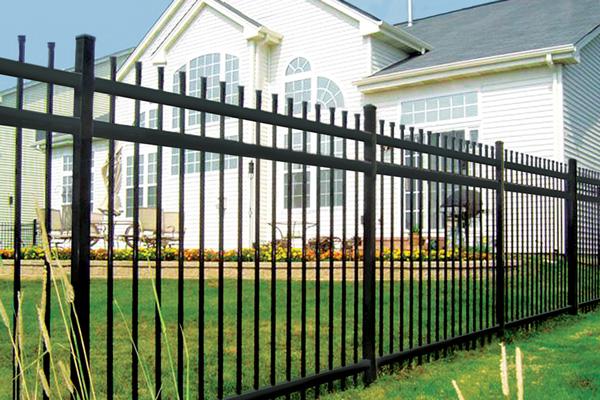
The design and style of your fence should complement your home’s architecture and the overall look of your property. Consider the type of fence that best suits your needs—whether it’s a classic picket fence, a tall privacy fence, or a more modern, minimalist style.
In residential areas, the fence’s design plays an important role in the curb appeal of your home. Some homeowners choose decorative fences to enhance their garden or outdoor living space, while others opt for fences that offer maximum privacy and security.
Considerations for Local Regulations and Permits
Before beginning your fence installation, it’s crucial to check local zoning laws and obtain the necessary permits. Different regions have varying regulations regarding fence height, placement, and materials used. Some municipalities may also require you to notify neighbors about your plans to install a fence.
A residential fence contractor can help navigate these regulations and ensure your project complies with all local codes. In some cases, failure to obtain proper permits can result in costly fines or having to remove the fence. It’s always better to be proactive and knowledgeable about local guidelines before starting the installation.
Conclusion
Installing a fence in your residential area is an investment that enhances both the functionality and beauty of your property. Whether you choose a simple picket fence or a more robust farm-style fence, it’s important to consider factors like materials, design, local regulations, and professional installation services. By working with a trusted residential fence contractor, you ensure that the fence is installed properly and will serve you for years to come.