Asbestos Risks and Outcomes
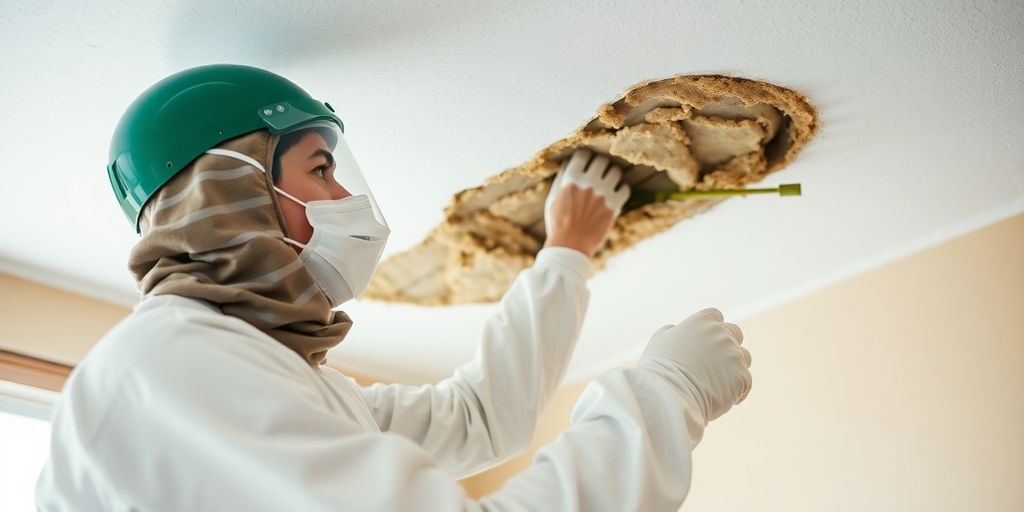

What Is Asbestos?
Asbestos is a naturally occurring mineral that was widely used in construction and manufacturing for much of the 20th century. It’s known for its strength, heat resistance, and insulating properties. Asbestos isn’t just one thing; it’s actually a group of six different fibrous minerals. These minerals can be separated into thin, durable threads and were incorporated into a variety of products. You could find it in:
- Insulation
- Roofing materials
- Floor tiles
Because of its useful properties, it became a popular choice for builders and manufacturers. However, the widespread use of asbestos came with a dark side, which we’ll get into next.
Health Risks Associated with Asbestos Exposure
The real problem with asbestos is what happens when it’s disturbed. When asbestos-containing materials are damaged or deteriorate, they release tiny fibers into the air. These fibers, when inhaled, can cause serious health problems. The danger lies in the fact that these fibers can become trapped in the lungs and remain there for a long time, sometimes decades. Over time, this can lead to:
- Scarring
- Inflammation
- Genetic damage
Asbestos exposure is linked to various cancers, particularly mesothelioma, as well as benign lung conditions. Long-term exposure is the primary risk factor for developing these serious health issues.
Common Locations of Asbestos in Homes
Before the dangers of asbestos were widely understood, it was used extensively in home construction. This means that many older homes still contain asbestos in various locations. Some common places to find asbestos include:
- Insulation around pipes and furnaces
- Vinyl floor tiles and the backing on sheet flooring
- Roofing shingles and siding
- Textured paints and patching compounds used on walls and ceilings
It’s important to note that asbestos-containing materials are not necessarily dangerous if they are in good condition and left undisturbed. The risk arises when these materials are damaged, releasing fibers into the air. If you suspect your home contains asbestos, it’s best to have it inspected by a professional.
Identifying Asbestos in Your Home
Signs of Asbestos Presence
Okay, so you’re worried about asbestos. First thing’s first: you can’t just know if something is asbestos by looking at it. That said, there are some clues that might make you think, “Hmm, maybe I should get this checked out.” Older homes, especially those built before the 1980s, are more likely to contain asbestos-containing materials (ACMs). Look for things like:
- Damaged or deteriorating insulation around pipes or in the attic. If it looks old and crumbly, that’s a red flag.
- Vinyl floor tiles or linoleum, especially if they’re cracked or broken. The backing material might contain asbestos.
- Textured paints or patching compounds on walls and ceilings. These were sometimes used to hide imperfections, but they could also contain asbestos. If you suspect asbestos insulation, don’t touch it!
How to Conduct an Asbestos Inspection
Alright, so you’ve seen some things that make you suspicious. Now what? Well, you could try to do a little investigating yourself, but honestly, it’s best to leave this to the pros. If you’re feeling brave (and informed!), here’s the deal:
- Don’t disturb the material. Seriously, this is the most important thing. If you start poking and prodding, you’re just releasing fibers into the air.
- Wear protective gear. At a minimum, you’ll want a respirator mask (rated for asbestos), disposable gloves, and a disposable suit. You can find these at most hardware stores.
- Carefully collect a sample. Use a utility knife to cut a small piece of the material. Wet it down first to minimize dust. Place the sample in a sealed plastic bag and label it clearly.
- Send the sample to a certified lab. They’ll be able to tell you for sure if it contains asbestos. Remember, this is risky, so consider if it’s worth it.
When to Seek Professional Help
Let’s be real: asbestos is not something to mess around with. If you have any doubts at all, call a professional. Here’s when it’s definitely time to get help:
- If you’re not comfortable collecting a sample yourself. It’s okay to admit it!
- If the material is damaged or deteriorating. This means it’s already releasing fibers into the air.
- If you’re planning any renovations or demolitions. Disturbing asbestos during construction can be extremely dangerous.
- If you just want peace of mind. Sometimes, it’s worth the cost to know for sure that your home is safe. A qualified asbestos inspector can conduct a thorough assessment and provide you with a report. They’ll know exactly what to look for and how to handle any potential hazards. Plus, they’ll have the right equipment and training to do the job safely. It’s better to be safe than sorry when it comes to asbestos.
The Importance of Safe Asbestos Removal
Asbestos removal isn’t just a home improvement project; it’s a matter of public health and safety. Messing around with asbestos can have serious consequences, so it’s important to understand why professional removal is the way to go. I mean, you wouldn’t try to rewire your house without knowing anything about electricity, right? Same principle here.
Legal Regulations Surrounding Asbestos
There are laws about this stuff, and they’re not just suggestions. Governments have rules in place to protect people from asbestos exposure. These regulations dictate how asbestos needs to be handled, transported, and disposed of. Ignoring these rules can lead to some pretty hefty fines and even legal action. It’s not worth the risk to try and cut corners. You can find more information about asbestos laws online.
Environmental Impact of Improper Removal
When asbestos isn’t removed properly, it doesn’t just disappear. The fibers can get into the air and water, causing long-term environmental damage. This can affect not only your property but also the surrounding community. Safe removal prevents the spread of these harmful fibers and protects the environment for future generations. Think of it as doing your part to keep the planet healthy. Here are some things to consider:
- Proper disposal methods prevent soil contamination.
- Air filtration systems minimize airborne fiber release.
- Waste management protocols ensure safe transportation.
Health Benefits of Professional Removal
This is the big one. Asbestos exposure can lead to some really nasty health problems, like mesothelioma and lung cancer. Professional removal minimizes the risk of exposure, protecting you and your family. It’s an investment in your long-term health and well-being. It’s like getting a flu shot – you’re taking preventative measures to avoid serious illness. Here’s why it matters:
- Reduces the risk of respiratory diseases.
- Protects family members from exposure.
- Creates a safer living environment overall.
Preparing for Asbestos Removal
Creating a Safe Work Environment
Okay, so you’re gearing up for asbestos removal. First things first: safety. You absolutely have to create a work environment that minimizes risk. Think of it like prepping for surgery, but instead of a patient, you’re protecting everyone from asbestos fibers. This means sealing off the area completely. Use heavy-duty plastic sheeting and duct tape to cover doorways, windows, and any other openings. You want an airtight seal to prevent any fibers from escaping. It’s also a good idea to set up a decontamination area where workers can clean themselves before leaving the site. This usually involves a shower and a place to change clothes. Don’t skip this step; it’s super important for preventing the spread of contamination. Make sure you have safe asbestos removal procedures in place.
Gathering Necessary Equipment
Now, let’s talk equipment. You can’t just walk in there with a hammer and some garbage bags. You’ll need a whole arsenal of specialized gear. Here’s a quick rundown:
- Respirators: These are non-negotiable. Get respirators with HEPA filters that are specifically designed for asbestos removal.
- Protective Suits: Full-body, disposable suits are a must. They’ll keep the fibers off your clothes and skin.
- Gloves and Boots: Again, disposable is the way to go. Make sure they’re durable enough to withstand the work.
- HEPA Vacuum: A regular vacuum cleaner won’t cut it. You need a HEPA vacuum to capture the tiny asbestos fibers.
- Plastic Sheeting: As mentioned earlier, you’ll need a lot of this to seal off the work area.
- Spray Bottles: For wetting down the asbestos-containing materials. This helps to prevent fibers from becoming airborne.
- Asbestos Waste Bags: These are specially designed bags for disposing of asbestos waste. They’re usually clearly labeled and puncture-resistant. Remember to properly dispose of asbestos waste.
Notifying Neighbors and Local Authorities
Finally, don’t forget to let your neighbors know what’s going on. It’s just common courtesy, and it can prevent any unnecessary panic. You might also need to notify your local authorities, depending on where you live. Some areas have strict regulations about asbestos removal, and you could face fines or other penalties if you don’t follow them. Check with your local environmental agency to find out what the requirements are in your area. It’s better to be safe than sorry.
Choosing a Qualified Asbestos Removal Contractor
What to Look for in a Contractor
Selecting the right contractor for asbestos removal is super important. You want someone who knows what they’re doing. First, check their licensing.Licensing shows they’ve met certain standards and are allowed to do this kind of work.
Here’s a few things to consider:
- Make sure they have proper insurance. This protects you if something goes wrong during the removal process.
- Ask about their experience. How many asbestos removal projects have they completed?
- Check references. Talk to previous clients to see if they were satisfied with the work.
Questions to Ask Potential Contractors
Before you hire anyone, ask a lot of questions. Don’t be shy! You need to be sure you’re making the right choice. Ask them about their process for asbestos removal. How do they contain the asbestos? What kind of equipment do they use? What’s their disposal method? Also, ask for a detailed quote. Make sure it includes everything – inspection, removal, disposal, and cleanup. If a contractor can’t answer your questions clearly, that’s a red flag.
Understanding Contractor Certifications
Certifications are another key thing to look for. They show that the contractor has received specialized training in asbestos removal. Different certifications might be required depending on where you live, so check your local regulations. A certified contractor understands regulatory standards and knows how to handle asbestos safely. Don’t hesitate to ask the contractor to provide proof of their certifications. It’s your right to know that they’re qualified to do the job. It’s all about protecting yourself and your family.
The Asbestos Removal Process
Steps Involved in Safe Removal
Okay, so you’ve decided to get rid of that asbestos. What happens next? Well, it’s not as simple as just ripping it out. The process has several key steps to keep everyone safe. First, there’s a thorough assessment. Professionals will figure out exactly where the asbestos is and how much there is. Then, they develop a plan. This plan outlines how they’ll remove it safely and dispose of it properly.
Next comes the prep work. This involves setting up the work area to prevent any asbestos fibers from escaping. After that, the actual removal happens, followed by a careful cleanup. Finally, there’s a post-removal inspection to make sure everything’s gone. It’s a detailed process, but it’s all about safety.
Containment and Disposal Procedures
Containment is super important. Think of it like building a fortress around the asbestos. The goal is to prevent any fibers from getting into the air and spreading around. Professionals use things like:
- Plastic sheeting to seal off the area.
- Special air filters to clean the air inside the containment.
- Negative air pressure to keep air from escaping.
Once the asbestos is removed, it needs to be disposed of properly. It can’t just go in the regular trash! It has to be sealed in special containers and taken to a designated disposal site. These sites are designed to handle hazardous waste safely. It’s all very regulated to protect the environment and public health. You can learn more about asbestos disposal procedures online.
Post-Removal Cleanup and Testing
So, the asbestos is gone, but the job’s not quite done. After the removal, the area needs to be thoroughly cleaned. This usually involves:
- Vacuuming with special HEPA vacuums.
- Wiping down all surfaces.
- Air testing to make sure there are no remaining fibers.
The air testing is crucial. It confirms that the air is safe to breathe. If the tests come back clear, then you know the job was done right. If not, more cleaning is needed. It’s a good idea to get a written report of the test results for your records. This provides peace of mind and documentation that the asbestos has been properly removed.
Cost Considerations for Asbestos Removal
Factors Influencing Removal Costs
Asbestos removal costs? Yeah, they can vary quite a bit. Several things play a role. The size of the area needing removal is a big one; more square footage means more work and, naturally, a higher bill. The accessibility of the asbestos also matters. If it’s easy to get to, the job will be simpler and cheaper. But if it’s tucked away in some hard-to-reach spot, expect to pay more. The type of asbestos-containing material (ACM) also affects the price. Some materials are more difficult and dangerous to handle than others. Finally, where you live matters. Labor costs and disposal fees differ by state, so what you pay in one area might be very different from another.
Budgeting for Asbestos Removal
Okay, so you know asbestos removal is coming up. How do you actually budget for it? First, get multiple quotes from different contractors. Don’t just go with the first one you find. Compare their prices and what’s included in their estimates. Make sure the quotes are detailed, so you know exactly what you’re paying for. Set aside a contingency fund. Unexpected problems can pop up during removal, and it’s good to have some extra money available. Consider financing options if needed. Some contractors offer payment plans, or you might be able to get a loan to cover the costs.
Here’s a few things to keep in mind:
- Get at least three quotes.
- Read the fine print.
- Prepare for the unexpected.
Insurance and Financial Assistance Options
Can insurance help with asbestos removal costs? Sometimes, but it depends on your policy and the circumstances. If the asbestos was damaged due to a covered event, like a fire, your insurance might cover the removal. However, if it’s just routine removal, you’re probably on your own. Look into government assistance programs. Some areas offer grants or loans to help homeowners with asbestos abatement. Check with your local health department or housing authority to see what’s available. Also, explore tax deductions. You might be able to deduct some of the removal costs from your taxes, especially if the removal is medically necessary. It’s worth looking into all your options to ease the financial burden.
Legal Obligations for Homeowners
Understanding Local Asbestos Laws
Homeowners need to know that asbestos isn’t something you can just ignore. There are local lawsasbestos regulations about how to handle it, and they can vary a lot depending on where you live. Some cities or counties might have stricter rules than the federal government. It’s important to check with your local environmental agency or health department to understand what’s required in your area. These regulations often cover things like inspections, removal procedures, and disposal methods. Ignoring these rules can lead to some pretty hefty fines or even legal action, so it’s worth doing your homework.
Reporting Requirements for Asbestos Removal
So, you’ve found asbestos and you’re planning to get rid of it. Guess what? You might have to tell someone about it. Many jurisdictions require homeowners to report asbestos removal projects, especially if they involve a certain amount of material. The reporting process usually involves submitting a notification form to the local or state environmental agency before the work begins. This gives the authorities a heads-up so they can ensure the removal is done safely and according to regulations. The reporting requirements can include details about the location of the asbestos, the amount being removed, the contractor doing the work (if you’re using one), and the disposal method. Not reporting when you’re supposed to? That can lead to fines and delays, so make sure you’re in the clear.
Liability Issues for Homeowners
Okay, let’s talk about something nobody likes to think about: liability. As a homeowner, you could be held responsible if asbestos is improperly handled on your property, even if you didn’t do the work yourself. If you hire a contractor, it’s your job to make sure they’re qualified and following all the rules. If asbestos fibers are released during removal and someone gets sick, you could be facing a lawsuit. Even if you decide to remove asbestos yourself, you’re still responsible for doing it safely and legally. This means taking precautions to contain the asbestos, using proper disposal methods, and protecting yourself and others from exposure. Homeowner’s insurance might offer some protection, but it’s important to understand the limits of your policy and whether it covers asbestos-related claims. Basically, it’s all on you to make sure things are done right.
Post-Removal Safety Measures
Monitoring for Residual Asbestos
After asbestos removal, it’s really important to keep an eye out for any asbestos that might still be hanging around. Regular monitoring is key to making sure the area is safe. You’ll want to do things like:
- Conducting air quality tests to check for airborne fibers.
- Visually inspecting surfaces for any remaining debris.
- Using specialized equipment to detect even trace amounts of asbestos.
If you find anything, don’t panic! Just contact a professional asbestos abatement company to take care of it.
Maintaining a Safe Home Environment
Keeping your home safe after asbestos removal is a big deal. It’s not just a one-time thing; it’s about creating a long-term safe space. Here are some things to consider:
- Regularly clean surfaces to remove any settled dust. Use a damp cloth and avoid sweeping, which can stir up fibers.
- Consider using an air purifier with a HEPA filter to capture any remaining airborne particles. This can help improve the overall air quality.
- Make sure your HVAC system is properly sealed and maintained to prevent the spread of any potential contamination.
Long-Term Health Considerations
Even after successful asbestos removal, it’s wise to stay informed about potential long-term health effects. While the risk is significantly reduced, it’s not completely eliminated. Here’s what to keep in mind:
- Be aware of the symptoms of asbestos-related diseases, such as shortness of breath, persistent cough, and chest pain. Early detection is crucial.
- Maintain regular check-ups with your doctor and inform them about your past asbestos exposure. This allows them to monitor your health proactively.
- Avoid activities that could disturb any remaining asbestos fibers, such as renovations or demolition work. If you’re planning any such projects, consult with an asbestos professional first. It’s better to be safe than sorry, especially when it comes to asbestos lagging and your health.