The risks of household asbestos
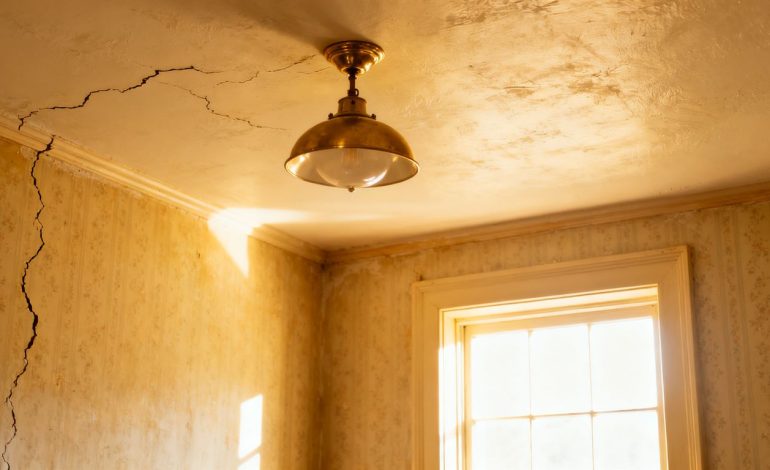

Identifying potential hazards within a residential living space is a critical task for owners of older properties. Household asbestos sources represent a hidden danger that can persist for decades without notice, often remaining dormant until physical disturbances occur. Recognizing these risks is the first step toward maintaining a safe and healthy living environment for all occupants.
How asbestos fibers cause lung cancer
When materials containing asbestos are broken, crushed, or frayed, they release microscopic fibers into the air. These fibers are light enough to remain suspended for hours, allowing them to be easily inhaled into the lungs. Once inside the respiratory tract, their needle-like structure prevents the body from fully clearing them, potentially leading to chronic inflammation and cellular damage that characterizes mesothelioma and lung cancer.
The health implications of long-term exposure
Chronic inhalation of these minerals is associated with several severe respiratory conditions beyond just oncological concerns. Residents might experience persistent coughing or shortness of breath as scar tissue accumulates in the lungs over time. It is vital to consult the US EPA regarding how exposure occurs, particularly through the disturbance of materials during renovation or repair.
Why older homes are at higher risk of contamination
Construction practices in the mid-20th century frequently incorporated asbestos due to its durability and fire-resistant properties. Many homes built before 1980 contain these materials in various structural components, making awareness a priority for homeowners. You can read about the risks of household asbestos to better understand how specific vintage building materials might still harbor these hazardous fibers today.
Identifying friable versus non-friable asbestos
Understanding the physical state of suspect material is essential for determining the immediate danger level it poses during routine home care. Friability refers to how easily a material can be crumbled by hand, which directly correlates to the risk of fibers entering the air. By identifying these states correctly, owners can make informed decisions about their home maintenance.
Defining friability in building materials
Friable materials are those that, when dry, can be crumbled or reduced to powder using simple hand pressure. This characteristic makes them inherently more dangerous because they shed fibers into the air with minimal physical contact. Non-friable materials, such as hardened floor tiles or cement siding, hold their integrity much better, though they still pose risks if sanded, cut, or broken.
Assessing the physical condition of suspect materials
To gauge the integrity of household items, homeowners should look for signs of wear such as crumbling edges, cracking surfaces, or visible degradation caused by moisture. When assessing these materials, consider the following environmental factors that often signal potential hazards:
- Friable pipe insulation that shows signs of crumbling or breakage.
- Damaged ceiling plaster that has begun to drift down.
- Vinyl floor tiles that have cracked due to subfloor shifting.
- Deteriorating drywall patches in storage areas.
Recognizing these physical signs of structural distress helps residents identify when a situation has evolved from minor wear to an active airborne hazard that requires professional evaluation.
Why structural damage significantly increases exposure risk
When a material once considered stable—like a solid floor tile—is subjected to structural stress, it enters a high-risk state. Impact from heavy furniture or deep-seated cracks in a foundation can break down the integrity of these materials. Once the binding agent is damaged, the likelihood of releasing hazardous fibers during normal foot traffic or cleaning is compounded, turning a once manageable item into a source of ongoing concern.
Common interior construction sources
Many household materials used in interior finishing historically relied on asbestos for consistency and heat resistance. Modern homeowners should be aware of these common installation sites to avoid accidental contact. Exploring the list of asbestos-containing products provides a broader overview of how prevalent these materials were in diverse household applications.
Hazards of legacy popcorn ceiling textures
Popcorn ceilings, often applied as spray-on acoustic treatments, were a popular choice in homes constructed before the mid-1980s. These textures are notoriously friable and can easily shed high concentrations of asbestos if scraped or impacted. Even minor impacts, such as moving tall furniture, can trigger a localized release of particles that are difficult to clean up without industrial equipment.
Risks associated with vinyl floor tiles and mastic
Vinyl sheet flooring and individual tiles, along with the adhesive mastic used to secure them, frequently contained asbestos. While these tiles remain relatively safe when left undisturbed, the process of removing them often involves scraping that releases fibers into the air. Homeowners should never attempt to sand or aggressively pry these materials without verifying their content first.
Asbestos presence in wall joint compounds and drywall
During the taping and finishing phase of construction, joint compounds were often mixed with asbestos to improve texture and drying time. Because this material is sanded during the installation and repair of interior walls, it has historically been a significant source of dust for contractors. Any renovation that involves creating dust in these older walls should proceed with extreme caution.
Insulation and mechanical system materials
Mechanical rooms and attics are primary hotspots for finding legacy asbestos because these areas were designed for insulation of heat-conductive components. The materials found here were specifically chosen for their thermal resistance, ensuring that pipes and boilers functioned safely. Unfortunately, as these systems age, the insulation begins to degrade and flake away, creating airborne risks.
Dangers of pre-1980 pipe and boiler insulation
Hot water and steam pipes in older properties were often wrapped in asbestos blankets or tape to prevent heat loss. As these systems move and vibrate over the years, the insulation often cracks at the joints, exposing the raw fibers underneath. Homeowners navigating their basements or crawlspaces should avoid touching these materials, as they are frequently in a friable state.
Attic vermiculite insulation contamination concerns
Vermiculite is a mineral-based insulation that was used to boost energy efficiency in attics. While the mineral itself is generally harmless, some legacy sources of vermiculite were found in deposits naturally contaminated with asbestos. If you find loose, pebble-like insulation in your attic, it should be treated as a potential source of concern until a professional confirms otherwise.
Evaluation of HVAC duct tape and sealants
Older HVAC systems often relied on asbestos-backed tape to seal the seams of metal ductwork. Over time, as hot and cold air circulates through these ducts, the sealant can dry out and crack, potentially blowing microscopic fibers into the living areas of the house. Regular maintenance of these systems should include a visual check for disintegrating tape or damaged joints.
Navigating professional testing and inspection
Because visual identification is notoriously unreliable, formal testing serves as the only definitive way to confirm the presence of asbestos. Bringing in experts ensures that the materials are sampled safely without contaminating the rest of the residence. Proper inspection provides peace of mind for families living in older, potentially affected properties.
When to hire a certified asbestos inspector
Homeowners should schedule an inspection before starting any renovation, demolition, or large-scale repairs that might break existing walls or floors. If a material appears damaged or is suspected to be asbestos, it is safer to bring in a professional before attempting any D-I-Y work. Professionals can find places asbestos might be hiding that a typical resident might easily overlook.
Understanding the laboratory analysis process
Certified inspectors use specialized equipment to take small portions of suspect materials, ensuring that the surrounding environment remains protected. These samples are sent to laboratories that use polarized light microscopy to identify asbestos fibers. The accuracy of this process is the gold standard for avoiding false negatives during the planning phase of home renovations.
Interpreting environmental inspection reports for homeowners
An inspection report will detail the exact location, quantity, and friability of any asbestos found on the property. These documents also provide professional recommendations regarding whether to leave the materials in place or pursue abatement. Understanding these reports is crucial for deciding on an appropriate mitigation strategy that keeps family members protected from ongoing exposure.
Safety protocols for living with household asbestos
If asbestos is discovered in the home, the primary objective is to keep the fibers contained until a professional can safely address them. Living with these materials is often possible if they remain in good condition and are left completely undisturbed. Maintaining awareness is the most powerful tool for ensuring the safety of those living on-site.
Encapsulation versus removal mitigation strategies
Mitigation generally follows two paths: encapsulation or removal. Encapsulation involves sealing the material with a special coating that prevents fibers from becoming airborne, which is often preferable for stable, non-friable materials. Removal is a more extensive process that requires licensed professionals to isolate the area and safely dispose of the waste, which is usually reserved for damaged or highly friable items.
Preventing accidental fiber release during home maintenance
Routine chores like vacuuming or dusting in areas with suspect materials can unintentionally stir up fibers. Residents should avoid intense agitation, such as pressure washing or sanding, near any unverified building materials. For those curious about the natural occurrence of asbestos and how it moves through the environment, understanding these pathways highlights why simple precautions in the home are so effective.
Establishing strict DIY boundaries for high-risk materials
Establishing boundaries means clearly identifying spaces where no home maintenance or alteration should occur without prior testing. High-risk materials such as damaged ceiling tiles or degraded pipe wrap must remain strictly off-limits for standard D-I-Y projects. If a project involves even the smallest amount of surface disturbance, prioritize safety and consult a local professional rather than attempting the task alone.