How Do Shower Doors Affect the Overall Look of Your Bathroom?
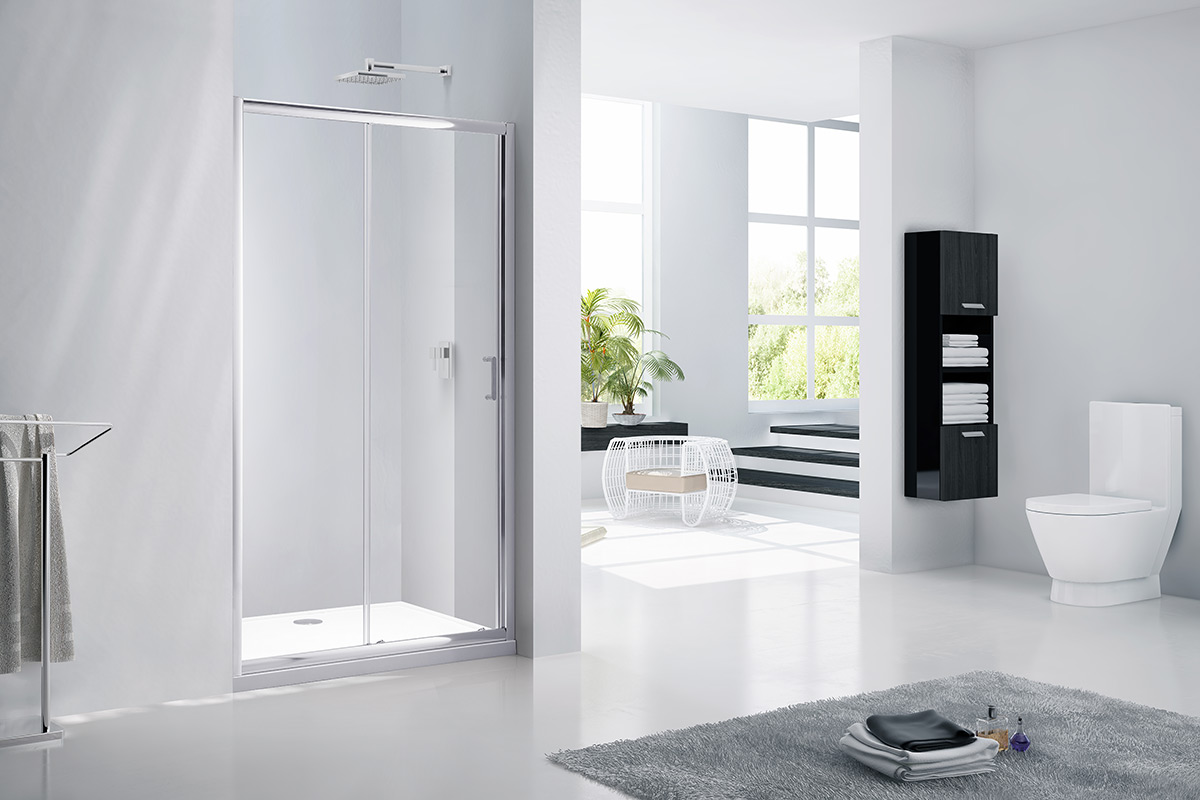

Shower doors do more than simply keep water inside the shower—they significantly shape the overall look, feel, and flow of your bathroom. Whether you’re renovating a compact powder room or designing a luxury spa-like retreat, the right shower door can influence space perception, style cohesion, and visual openness. In modern bathroom design, elements like portes de douche Vasca stand out for blending elegance with function, proving that even utilitarian components can become focal design features.
1. Framed vs. Frameless: Defining Clean Lines
One of the most visible distinctions in shower doors is whether they are framed or frameless. Framed shower doors have metal edges around the glass, offering a more traditional or industrial look, often preferred in classic or utilitarian designs.
Frameless doors, on the other hand, are made of thick tempered glass with minimal hardware. This style creates a clean, uninterrupted visual line that opens up the space and gives the bathroom a modern, streamlined appearance. Frameless options also allow for more natural light flow, which enhances the feeling of spaciousness.
2. Glass Transparency Impacts Light and Privacy
Clear glass is a popular choice for those who want their bathrooms to feel larger and more open. It visually connects the shower area with the rest of the space, creating a seamless and airy environment. Frosted, tinted, or patterned glass adds an element of privacy while introducing texture and interest to the room.
Choosing the right level of transparency not only affects your comfort but also contributes to how light reflects and fills the room—especially important in smaller or windowless bathrooms.
3. Style Harmony: Matching With Fixtures and Tiles
Shower doors don’t exist in isolation. Their materials, finishes, and frame styles should harmonize with other design elements like faucets, handles, cabinetry, and tile work. For example, brushed gold or matte black hardware on a shower door can tie in beautifully with matching tapware or drawer pulls.
Choosing options like portes de douche Vasca ensures consistency in design language, where each detail complements the overall aesthetic—whether that’s minimalist, contemporary, rustic, or luxurious.
4. Swinging or Sliding: Function Meets Flow
The door mechanism you choose also affects both look and functionality. Sliding doors are excellent for tight spaces, allowing for efficient use of every inch. They contribute to a smooth, low-profile look and don’t intrude into the room when opened.
Swing doors, especially when frameless, offer a more open and elegant impression, but require more clearance space. The type of door you select can either add to the room’s fluidity or interrupt it, depending on how it integrates with your layout.
5. Creating a Focal Point or Letting the Tiles Shine
Shower doors can either take center stage or blend into the background, depending on the design goal. A boldly framed door with smoked glass can serve as a focal point, adding definition and edge to a white bathroom. On the flip side, a nearly invisible frameless glass door can let a feature wall of tile, mosaic, or natural stone remain the hero of the space.
Final Thought
Shower doors are not just functional barriers—they’re architectural features that influence mood, style, and the perceived size of your bathroom. A well-chosen door adds value, elevates aesthetics, and supports the overall design vision. Whether you prefer striking hardware or seamless glass panels, options like portes de douche Vasca combine quality craftsmanship with modern elegance, ensuring your bathroom looks as good as it performs.